
The interior design of a restaurant plays a pivotal role in creating a memorable dining experience. From the moment a guest steps inside, the ambiance, layout, and decor set the tone for their meal. In today’s highly competitive food industry, restaurant owners must pay close attention to how their interior design reflects their brand identity while also catering to customer preferences. This article delves into the key elements of effective restaurant interior design, exploring trends, functionality, and the impact of aesthetics on customer satisfaction.
Understanding the Importance of Restaurant Interior Design
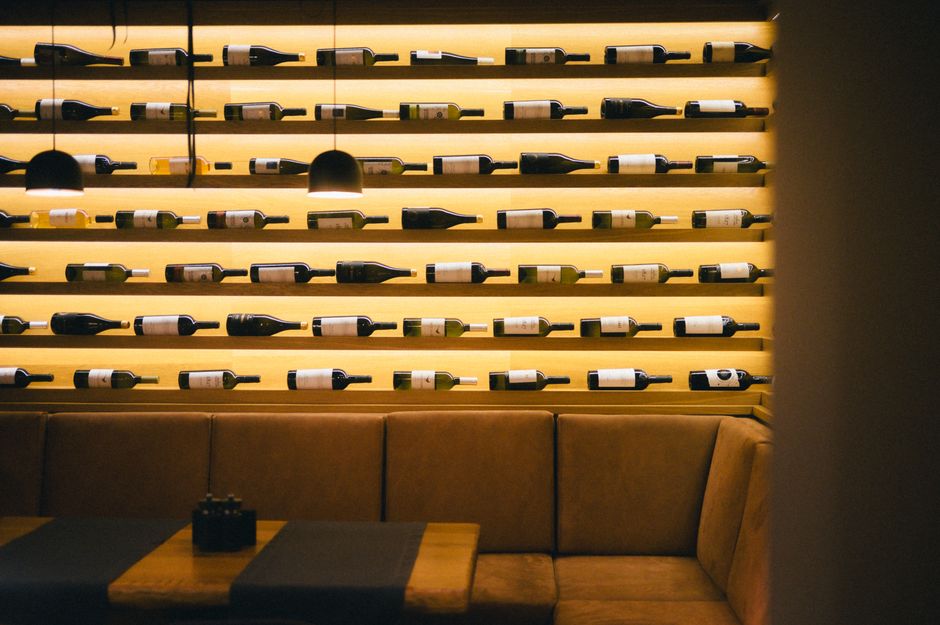
Restaurants are not merely places to eat; they are spaces where memories are created. The right interior design can enhance customer enjoyment and encourage repeat visits. According to a study by the Journal of Hospitality and Tourism Research, 70% of diners indicate that the atmosphere of a restaurant significantly influences their dining experience. This statistic underscores the importance of investing in thoughtful restaurant interior design that resonates with patrons.
Moreover, a well-designed restaurant can also improve operational efficiency. The layout, including the placement of tables, kitchen access, and flow of service, can directly impact staff performance and customer satisfaction. An efficient design minimizes wait times and maximizes space utilization, ensuring that every guest receives prompt service.
Key Elements of Effective Restaurant Interior Design
When it comes to restaurant interior design, several key elements must be considered:
- Color Scheme: Colors evoke emotions and set the mood. Warm colors like reds and oranges stimulate appetite, while cooler tones can create a calming effect. Choosing the right color palette can significantly influence a guest’s dining experience.
- Lighting: Lighting plays a crucial role in ambiance. Soft, warm lighting can create intimacy, while brighter lights are ideal for fast-casual dining. The use of natural light can also enhance the overall atmosphere, making the space feel more inviting.
- Furniture: The choice of furniture affects comfort and functionality. Well-designed tables and chairs not only contribute to aesthetic appeal but also ensure that guests feel relaxed and at home.
One innovative example of effective restaurant interior design is the use of open kitchens. This design trend allows diners to see their food being prepared, creating a sense of transparency and trust. It also enhances the overall dining experience by engaging customers with the culinary process.
Creating a Unique Brand Identity Through Design
Your restaurant’s interior design should reflect its unique brand identity. Whether your establishment is a quaint café, a high-end dining experience, or a vibrant bistro, every design choice should communicate the essence of your brand. For instance, a farm-to-table restaurant might incorporate rustic elements and natural materials to evoke a sense of authenticity.
Incorporating local art and cultural elements into the design can also strengthen the connection between the restaurant and the community. This not only enriches the dining experience but also fosters loyalty among local patrons. By showcasing the work of local artists, restaurants can create a unique atmosphere that resonates with their audience.
Trends in Restaurant Interior Design
Staying ahead of design trends is crucial for attracting new customers and retaining existing ones. Currently, several trends are shaping the landscape of restaurant interior design:
- Biophilic Design: This trend emphasizes the connection between nature and interior spaces. Incorporating plants, natural materials, and outdoor elements can enhance the dining experience and promote well-being.
- Sustainable Design: Eco-friendly practices are becoming increasingly popular in restaurant design. Sustainable materials, energy-efficient lighting, and waste-reducing layouts not only benefit the environment but also appeal to the growing number of eco-conscious consumers.
- Flexible Spaces: With the rise of casual dining, many restaurants are opting for flexible layouts that can accommodate various group sizes and functions. Movable furniture and adaptable spaces allow for a dynamic dining experience.
Incorporating these trends into your restaurant’s design can set you apart from the competition and create a memorable experience for your guests.
Conclusion: The Future of Restaurant Interior Design
The future of restaurant interior design is all about creating experiences that resonate with customers. As the industry evolves, restaurant owners must stay attuned to changing preferences and trends. A focus on aesthetics, functionality, and brand identity will be crucial for success. By investing in thoughtful restaurant interior design, owners can create spaces that not only attract customers but also foster long-term loyalty. In an era where dining out is as much about the experience as it is about the food, the role of interior design cannot be overstated.
