
The interior design of a restaurant plays a crucial role in shaping the overall dining experience. From the choice of colors to the arrangement of furniture, every element contributes to the atmosphere and can significantly impact customer satisfaction. In this article, we will explore essential aspects of restaurant interior design, highlighting trends, practical tips, and real-world examples that can elevate any dining space.
The Importance of First Impressions
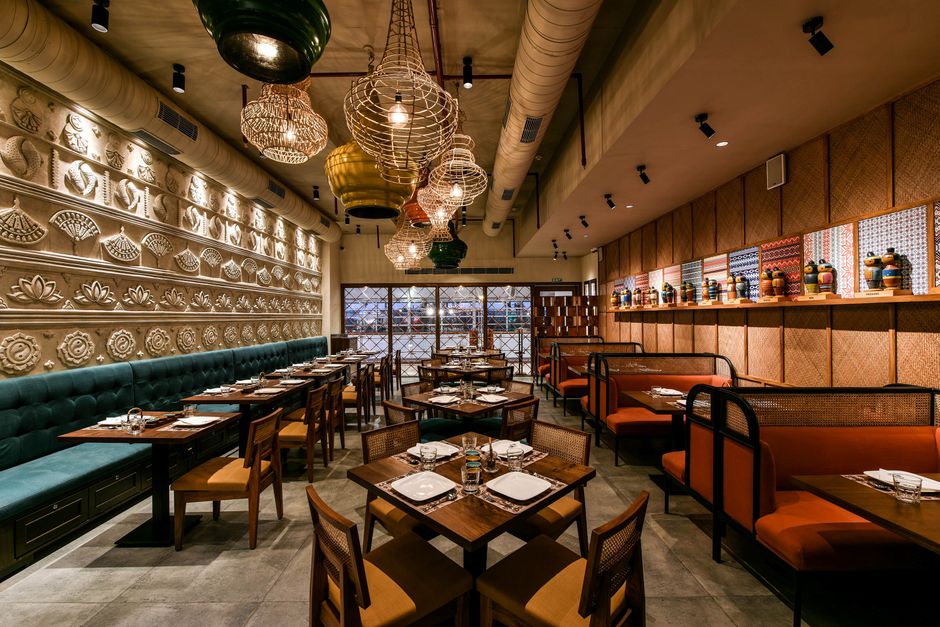
First impressions are paramount in the restaurant industry. Studies indicate that customers form opinions about a restaurant within the first 10 seconds of entering. Therefore, the interior design must be inviting and reflect the restaurant’s brand identity. Elements such as lighting, layout, and decor are vital in creating a welcoming environment. For instance, a casual eatery may opt for bright colors and informal seating arrangements, while a fine dining establishment might choose muted tones and elegant furnishings.
Additionally, the flow of the restaurant is essential. A well-thought-out layout not only enhances the aesthetic appeal but also improves the functionality of the space. It allows for smooth movement for both customers and staff, ensuring a pleasant dining experience.
Current Trends in Restaurant Interior Design
The world of restaurant interior design is ever-evolving, with new trends emerging regularly. One of the prominent trends is the use of sustainable materials. Many restaurants are now opting for eco-friendly furniture and decor to appeal to environmentally conscious diners. This approach not only enhances the restaurant’s appeal but also promotes a positive brand image.
Another trend is the incorporation of technology into the design. From digital menus to interactive dining experiences, technology is reshaping how restaurants engage with customers. For example, some establishments are using augmented reality to provide diners with an immersive experience, allowing them to see how dishes are prepared or learn about the ingredients used.
Color Schemes and Their Impact
Color psychology plays a significant role in restaurant interior design. Different colors evoke various emotions and can influence dining behavior. For instance, red and yellow are known to stimulate appetite, making them popular choices for fast-food restaurants. On the other hand, blue is often associated with calmness and can be beneficial for upscale dining establishments looking to create a serene atmosphere.
Moreover, the right color combinations can enhance the overall theme of the restaurant. For example, a Mediterranean restaurant might utilize shades of blue and white to reflect the coastal vibe, while a rustic farm-to-table restaurant may incorporate earthy tones to create a warm, inviting feel.
Furniture and Layout Considerations
The selection of furniture is another critical aspect of restaurant interior design. Comfort is key, as diners are more likely to return to a restaurant where they felt relaxed. Restaurant owners should consider the type of seating arrangements that align with their concept—whether it’s communal tables for a casual vibe or intimate booths for a romantic setting.
Furthermore, the layout should facilitate both social interaction and privacy. A balance between open spaces and cozy corners can cater to various customer preferences, making the restaurant appealing to a broader audience. For instance, a family-friendly restaurant may include large tables for groups while also providing smaller tables for couples.
Real-world Examples of Successful Designs
Several restaurants have successfully implemented innovative interior designs that resonate with their target audience. For example, the renowned Noma in Copenhagen is famous not just for its food but also for its minimalist yet warm interior that emphasizes natural materials and earthy colors, creating an immersive dining experience that reflects its ethos.
Another example is the trendy restaurant chain, The Cheesecake Factory, which is known for its eclectic decor. Each location features a unique combination of colors, textures, and furniture styles, creating an inviting and visually stimulating environment that attracts a diverse clientele.
These examples demonstrate how thoughtful interior design can enhance the dining experience and ultimately contribute to a restaurant’s success.
Conclusion
In conclusion, restaurant interior design is a multifaceted discipline that significantly impacts customer experience and business success. By understanding the importance of first impressions, staying updated with current trends, and considering factors such as color psychology and furniture choice, restaurant owners can create spaces that not only attract customers but also keep them coming back for more. For those looking for expert guidance in creating a distinctive ambiance, exploring professional resources on restaurant interior design can provide valuable insights and inspiration.
