
As the summer season approaches, parents begin to contemplate the best activities for their elementary school-aged children. Summer camps are a popular choice, offering a blend of adventure, education, and social interaction. These camps not only provide a much-needed break from the academic routine but also help children to develop new skills and friendships. In this article, we will explore the various aspects of summer camps tailored for young children, including types of camps, benefits, and tips for choosing the right one.
Types of Summer Camps
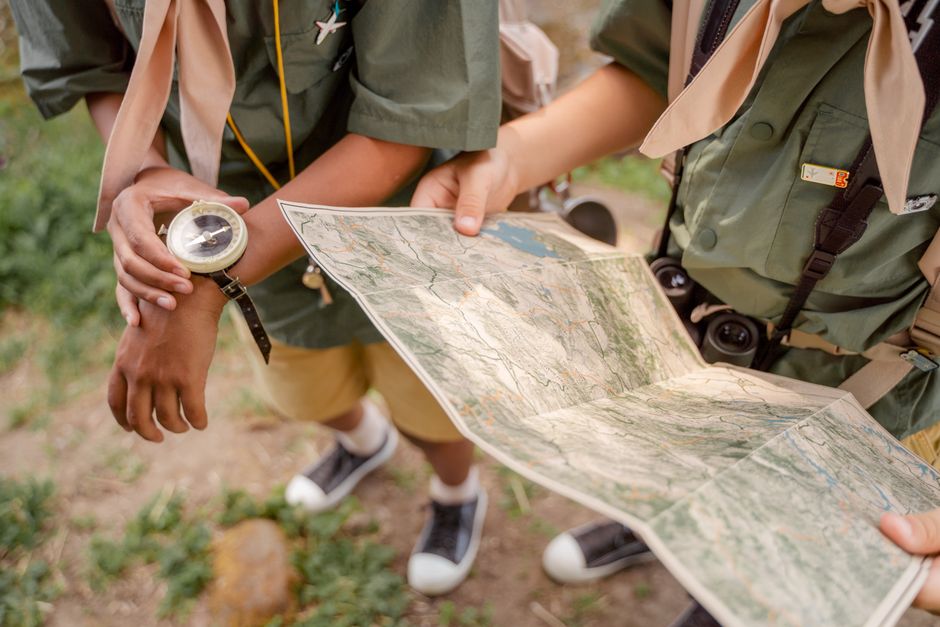
Summer camps come in various forms, catering to diverse interests and needs. From traditional day camps to specialized camps focusing on sports, arts, and science, parents have a plethora of options to choose from. Traditional camps typically include a mix of activities such as swimming, hiking, crafts, and games, allowing children to experience a broad range of activities.
On the other hand, specialized camps target specific interests. For instance, sports camps focus on developing skills in soccer, basketball, or swimming, while art camps encourage creativity through painting, music, and drama. Science camps might offer hands-on experiments and outdoor exploration, fostering a love for learning in a fun environment. It’s essential for parents to assess their child’s interests when selecting a camp, ensuring an engaging and enjoyable experience.
According to recent statistics, approximately 14 million children attend summer camps in the United States each year, highlighting their popularity. This trend is mirrored globally, as more families seek enriching summer experiences for their kids.
Benefits of Summer Camps
Participating in summer camps provides numerous benefits for elementary school children. Firstly, camps promote social skills as kids interact with peers from various backgrounds. This interaction helps to build teamwork, communication, and conflict resolution skills, all of which are crucial for personal development.
Additionally, summer camps often emphasize physical activity, combating the sedentary lifestyle that many children face today. Engaging in sports and outdoor activities not only improves physical health but also enhances mental well-being. Research indicates that children who participate in regular physical activity show improved concentration and academic performance.
Moreover, camps provide a unique opportunity for children to discover new interests and talents. Whether it’s learning to play an instrument, trying out a new sport, or engaging in science experiments, summer camps encourage exploration and personal growth. This exposure can spark lifelong passions and hobbies.
Choosing the Right Summer Camp
With so many options available, selecting the right summer camp can be overwhelming. To simplify the process, parents should consider several factors. First and foremost, assess the camp’s location and schedule. Camps that are conveniently located and fit well with family schedules are often more manageable.
Next, evaluate the camp’s programs and activities. A well-rounded camp should offer a variety of options that align with your child’s interests. Reading reviews and testimonials from other parents can provide valuable insights into the camp’s reputation and quality of programs.
It’s also essential to consider the staff-to-child ratio. Camps with a lower ratio often provide more personalized attention and support, enhancing the overall experience for children. Ensuring that staff members are qualified and experienced in working with young children is crucial for safety and development.
Preparing Your Child for Camp
Once a camp has been chosen, preparing your child for the experience is vital. Start by discussing what they can expect at camp, addressing any concerns or anxieties they may have. Familiarizing them with the camp’s schedule and activities can help build excitement.
Packing appropriately is also important. Make a checklist of items your child will need, including clothing, toiletries, and any specific gear required for activities. Involving your child in the packing process can make them feel more invested in the experience.
Lastly, encourage your child to embrace the opportunity to make new friends and try new activities. Remind them that summer camp is a chance to learn and grow, and it’s okay to step out of their comfort zone.
Conclusion
Summer camps offer a rich environment for elementary school children to learn, grow, and have fun. With a wide variety of options available, parents can find the perfect camp that aligns with their child’s interests and needs. The benefits of social interaction, physical activity, and personal development are immense and can have a lasting impact on a child’s life. As you consider the various opportunities available, don’t forget to explore the options for サマーキャンプ 小学生, which can provide a unique and enjoyable experience for your child this summer.
