
Horse riding is not just a sport; it’s a passion that connects individuals with nature and animals in an unparalleled way. For those looking to embrace this exhilarating activity, understanding the fundamentals of horse riding lessons is essential. Whether you are a complete beginner or someone wishing to refine your skills, a structured approach to lessons can significantly impact your riding journey.
Why Take Horse Riding Lessons?
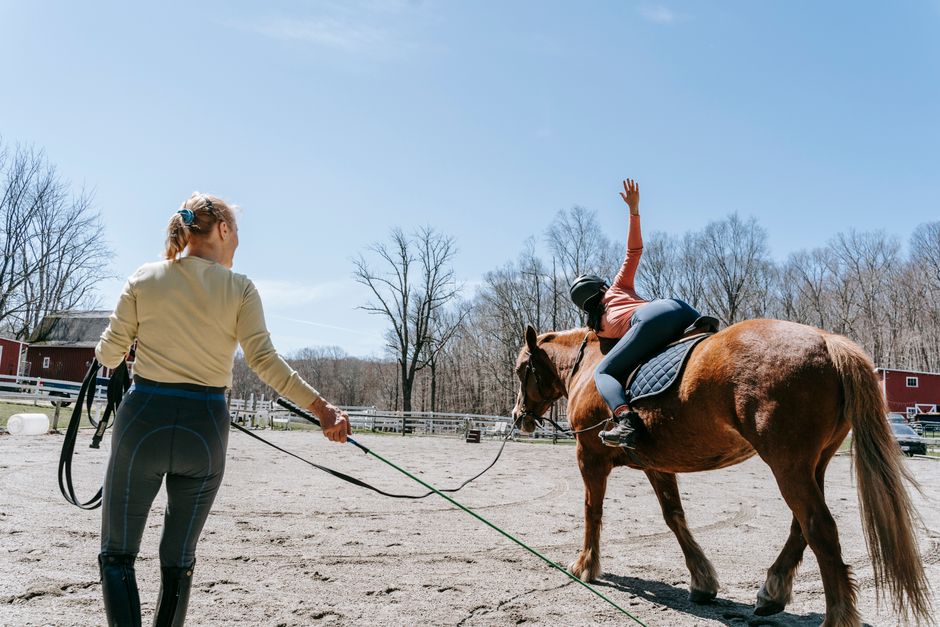
Many people wonder why they should invest time and money into horse riding lessons. First and foremost, lessons provide safety. Riding without proper guidance can lead to accidents, especially for novices. Instructors help riders learn the correct techniques and build a strong foundation, ensuring a safe riding experience.
Furthermore, lessons foster skill development. With a qualified instructor, riders can receive tailored feedback, allowing them to improve their technique and confidence in the saddle. Research shows that structured learning environments can enhance retention and mastery of skills, making lessons a worthwhile endeavor.
Lastly, taking lessons can deepen your bond with horses. Understanding horse behavior and communication is crucial for any rider. Instructors teach riders how to read their horse’s body language, which is essential for creating a trusting relationship.
What to Expect in Your First Lesson
Your first horse riding lesson can be both exciting and nerve-wracking. Typically, the first lesson begins with an introduction to the horse and basic safety protocols. Instructors often explain how to approach and handle the horse, emphasizing the importance of being calm and confident.
After establishing a rapport with the horse, you will likely learn how to mount and dismount properly. This foundational skill is crucial for ensuring safety and comfort. Once mounted, instructors introduce the basic riding commands, focusing on balance and posture.
During the lesson, you might also get a chance to experience walking and possibly trotting, depending on your comfort level. It’s important to remember that each rider progresses at their own pace, and patience is key.
Types of Riding Lessons Available
Horse riding lessons vary significantly based on the discipline and the rider’s goals. Common types include English riding, Western riding, dressage, and jumping. Each discipline has its own set of techniques and equipment, influencing the style of instruction.
English riding, for example, focuses on a more upright position and is often associated with jumping and dressage. In contrast, Western riding emphasizes a relaxed posture and is commonly associated with ranch work and rodeo events. Understanding these differences can help you choose the right program for your interests.
Many riding schools also offer specialized programs, such as therapeutic riding for individuals with disabilities or advanced training for competitive riders. This diversity allows riders of all backgrounds to find a suitable program that meets their needs.
Finding the Right Riding School
Choosing the right riding school is crucial for a positive learning experience. Start by researching local options and reading reviews from previous students. Look for schools that prioritize safety, have qualified instructors, and maintain a good reputation. A visit to the facility can also provide insight into their operations and the condition of their horses.
Ask about the instructor’s qualifications and experience, as this can greatly influence your learning journey. A good instructor should be patient, knowledgeable, and able to adapt their teaching style to match your learning preferences.
Finally, consider the types of horses available for lessons. Well-trained, calm horses are essential for beginners, as nervous horses can lead to anxiety and accidents.
Progressing Beyond the Basics
Once you have completed several initial lessons and are comfortable with basic riding techniques, the journey can continue with more advanced skills. Riders can explore different disciplines, participate in competitions, or even consider owning a horse.
Moreover, some riders choose to delve into related activities such as grooming, tacking, and horse care. Understanding these aspects enhances your overall knowledge and relationship with horses. Many riding schools also offer workshops or camps that focus on these areas, providing a more comprehensive learning experience.
If you are interested in competitive riding, consider joining local competitions or shows to challenge yourself and showcase your skills. This step not only builds confidence but also connects you with the riding community.
For those looking for a structured approach, consider signing up for a series of lessons or a riding program that includes both riding and horse management education. This dual approach can significantly enhance your competence and enjoyment of the sport.
Conclusion
Horse riding lessons are a gateway to an enriching experience that combines physical activity, emotional connection, and personal growth. By understanding what to expect, the types of lessons available, and how to find the right riding school, you can embark on a fulfilling journey in the world of equestrianism. Investing in horse riding lessons is not just about learning to ride; it’s about building a lifelong relationship with horses and discovering the joy of riding.
