
Aerial drone photography has revolutionized the way we capture and perceive the world around us. With advancements in technology, drones equipped with high-resolution cameras can now take stunning photographs and videos from unique vantage points. This article delves into the intricacies of aerial drone photography, its applications, and how it can elevate your creative projects.
Understanding Aerial Drone Photography
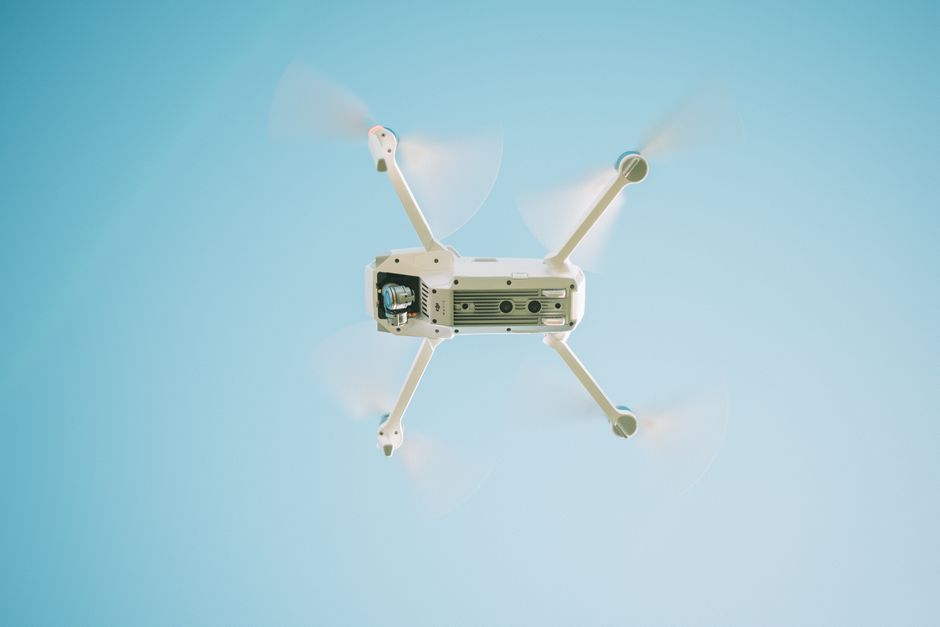
Aerial drone photography involves the use of unmanned aerial vehicles (UAVs) to capture images and videos from above. This method offers unparalleled perspectives that traditional photography cannot achieve. The ability to hover at various altitudes allows photographers to capture expansive landscapes, intricate architectural features, and dynamic events from a bird’s eye view.
According to a report by the Federal Aviation Administration (FAA), the drone market is expected to grow significantly, with commercial applications becoming increasingly popular. This growth is largely due to the improved accessibility of drones and the reduction in costs associated with aerial photography.
Moreover, aerial photography is not just limited to personal use; businesses are leveraging this technology for marketing, surveying, and even real estate. By integrating aerial drone photography into their strategies, companies can enhance their visual storytelling and capture the attention of their target audience.
Applications of Aerial Drone Photography
The applications of aerial drone photography are vast and varied. One of the most prominent uses is in real estate, where agents utilize aerial shots to showcase properties. High-quality images taken from above can highlight the property’s location, surrounding amenities, and overall layout, which can be a game-changer in attracting potential buyers.
In agriculture, farmers are employing drones to assess crop health and monitor land conditions. Drones can cover large areas quickly and gather data that helps optimize farming practices, leading to increased yields and reduced costs.
Additionally, filmmakers and content creators are increasingly incorporating aerial shots into their projects. The breathtaking visuals captured from a drone can significantly enhance the storytelling aspect of a film, making it more engaging for viewers.
Choosing the Right Drone for Photography
When venturing into aerial drone photography, selecting the right drone is crucial. Various models are available, each offering different features tailored to specific needs. For beginners, drones with built-in cameras and user-friendly interfaces are ideal. These drones often come with stabilization features that ensure smooth footage.
For more experienced photographers, drones that allow for interchangeable cameras and advanced settings provide greater flexibility and control over the final output. Features such as GPS positioning, obstacle avoidance, and enhanced battery life are also important considerations when choosing a drone.
Moreover, understanding the regulations surrounding drone usage is essential. In many countries, operators must register their drones and adhere to specific guidelines to ensure safe and responsible flying.
Best Practices for Aerial Photography
To achieve stunning aerial photographs, photographers should follow certain best practices. First, understanding lighting conditions is vital. The golden hours—shortly after sunrise and before sunset—offer the best natural light for photography.
Additionally, planning the flight path in advance can help photographers capture the desired shots efficiently. Utilizing software and apps that provide mapping and flight planning features can be beneficial.
Finally, experimenting with different angles and altitudes can lead to unique compositions that stand out. Drones offer the flexibility to capture images from various perspectives, so taking the time to explore different approaches can yield impressive results.
Future Trends in Aerial Drone Photography
The future of aerial drone photography is promising, with continuous advancements in technology shaping the field. Innovations such as AI-powered drones and improved image stabilization systems are enhancing the overall quality of aerial shots.
Moreover, the integration of drone photography with virtual and augmented reality experiences is on the rise. This trend allows users to immerse themselves in the captured environments, creating an interactive experience that goes beyond traditional photography.
As regulations become more defined and technology continues to evolve, the possibilities for aerial drone photography will only expand. This growth presents exciting opportunities for photographers, businesses, and enthusiasts alike to explore new creative avenues.
Conclusion
Aerial drone photography offers a unique way to capture the world, providing stunning visuals that can elevate any project. Whether for personal use, business marketing, or creative endeavors, the benefits of incorporating drone photography are undeniable. By understanding its applications, choosing the right equipment, and following best practices, anyone can harness the power of aerial photography to create breathtaking images.
