
The advancement of technology has transformed various fields, and photography is no exception. Aerial drone photography stands out as a revolutionary approach that allows us to capture stunning images from unique perspectives. This article delves into the intricacies of aerial drone photography, its applications, and the impact it has on various industries.
The Evolution of Aerial Photography
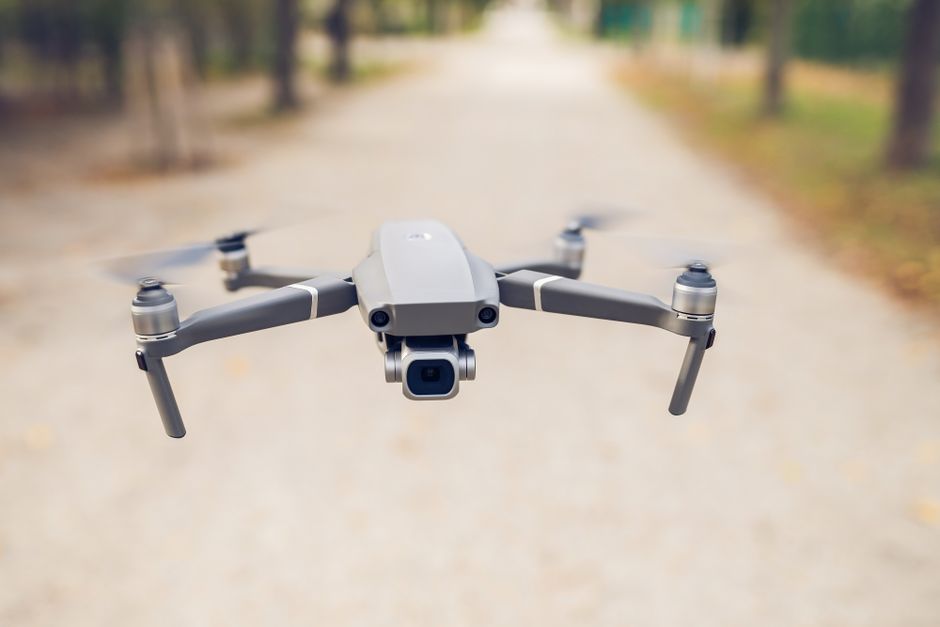
Aerial photography has a rich history that dates back to the mid-19th century when hot air balloons were used to capture images from above. However, the introduction of drones has significantly enhanced this field. Drones equipped with high-resolution cameras have made it possible to obtain detailed images without the logistical challenges of traditional aerial photography.
Today, aerial drone photography employs advanced technology, including GPS and stabilization systems, which ensure that images are not only captivating but also clear and precise. This evolution has made it feasible for amateur photographers to engage in aerial photography, democratizing access to this once-exclusive art form.
According to a recent study, the aerial photography market is expected to grow at a CAGR of 14% over the next five years, showcasing the increasing popularity and accessibility of this medium.
Applications Across Various Industries
Aerial drone photography is not limited to artistic endeavors; it has practical applications across numerous industries. In real estate, for example, drone photography provides potential buyers with breathtaking views of properties and their surrounding areas, enhancing marketing strategies and increasing sales potential.
In agriculture, farmers use drones to monitor crop health, assess soil conditions, and optimize irrigation. This data-driven approach allows for more efficient farming practices, ultimately leading to higher yields.
Moreover, in the film and television industry, aerial drones have become essential tools for capturing dramatic landscapes and action sequences. The ability to get sweeping shots without requiring extensive equipment or crew simplifies the production process.
One noteworthy instance is the use of drones in wildlife documentaries, where filmmakers can capture animals in their natural habitats without disturbing them. This has led to more authentic and informative storytelling.
Challenges in Aerial Drone Photography
Despite its advantages, aerial drone photography also presents challenges that enthusiasts and professionals must navigate. Regulatory restrictions are one of the primary hurdles. Many countries have specific laws regarding drone flight, especially in urban areas or near airports. Understanding and complying with these regulations is crucial for safe and legal drone operation.
Moreover, weather conditions play a significant role in aerial photography. High winds, rain, and fog can hinder a drone’s performance and affect image quality. Photographers must be prepared to adapt their plans accordingly, often requiring patience and flexibility.
Additionally, technical skills are essential. While drones have become user-friendly, mastering the art of aerial photography involves understanding composition, lighting, and camera settings. Continuous learning and practice are vital for honing these skills.
The Future of Aerial Drone Photography
As technology continues to advance, the future of aerial drone photography looks promising. Emerging trends include the integration of artificial intelligence (AI) for enhanced image processing and analysis. AI can assist in editing photos, identifying patterns in data, and even suggesting optimal shooting conditions.
Furthermore, the rise of 5G technology is expected to revolutionize drone operations, allowing for real-time data transmission and remote piloting. This could lead to more innovative applications, such as live-streaming events from the sky.
Moreover, the environmental impact of aerial drone photography is a growing concern. As the industry evolves, there is a significant push towards sustainable practices, including using eco-friendly materials in drone construction and ensuring minimal disturbance to wildlife.
Conclusion
Aerial drone photography has transformed the way we capture and perceive the world around us. Its applications span various industries, from real estate to agriculture, and its potential continues to grow. While challenges exist, the advancements in technology and the increasing accessibility of drones are paving the way for a bright future in aerial photography. Whether you are a hobbyist or a professional, the allure of capturing stunning images from the sky remains a captivating pursuit. If you’re interested in exploring more about this exciting field, check out aerial drone photography services that can elevate your visual storytelling.
