
In the competitive world of dining, creating a unique and inviting atmosphere is crucial for attracting and retaining customers. Restaurant interior design goes beyond aesthetics; it influences the overall dining experience, from the moment guests enter until they leave. This article delves into the essential elements of restaurant interior design, exploring how various styles, layouts, and decor choices can enhance customer satisfaction and drive business success.
Understanding the Importance of Interior Design
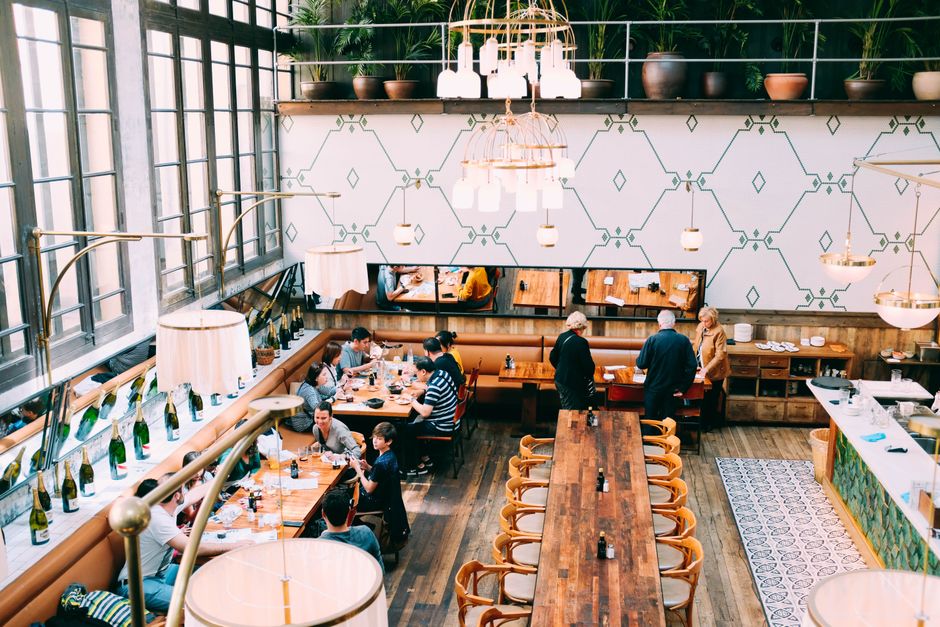
Interior design plays a vital role in the hospitality industry. It sets the mood and tone of the dining experience, affecting how customers perceive the restaurant. Studies show that a well-designed space can increase customer retention rates by up to 25%. Elements such as color schemes, furniture selection, and lighting can significantly impact a guest’s comfort and enjoyment.
For instance, warm colors like reds and oranges can stimulate appetite, while cool colors like blues and greens may create a calming effect. The choice of furniture can also influence the dining experience; comfortable seating encourages customers to linger longer, potentially increasing their spending.
Key Elements of Effective Restaurant Interior Design
When it comes to restaurant interior design, several key elements must be considered to create a cohesive and inviting space. These include layout, lighting, color schemes, and decor.
The layout is perhaps the most critical aspect, as it determines the flow of movement within the restaurant. A well-thought-out layout allows for efficient service and helps to create a pleasant atmosphere. For example, placing the bar near the entrance can encourage guests to stop for a drink before being seated.
Lighting is another essential element that can dramatically influence the ambiance. A mix of natural and artificial lighting can create a warm and welcoming environment. Pendant lights over tables can enhance intimacy, while brighter lighting in the kitchen area can convey freshness and cleanliness.
Choosing a Design Style that Reflects Your Brand
The design style of a restaurant should align with its brand identity and target audience. Whether you opt for a rustic farmhouse aesthetic or a sleek modern look, the interior should reflect the overall theme of your restaurant.
For example, a farm-to-table restaurant may benefit from a cozy, rustic design featuring reclaimed wood and earthy tones, while a high-end sushi restaurant might favor minimalist decor with clean lines and a zen-like atmosphere. It’s essential to create a design that resonates with your target demographic, as this will enhance their overall dining experience.
Additionally, incorporating local elements into the design can create a sense of place and connection with the community. For instance, displaying artwork from local artists or using materials sourced from nearby suppliers can strengthen the restaurant’s identity and appeal.
Maximizing Space with Innovative Design Solutions
In many urban settings, restaurant space is limited, making it essential to maximize every square foot. Innovative design solutions can help create a more functional and enjoyable space.
Utilizing multi-functional furniture, such as tables that can be easily rearranged or stacked when not in use, can help accommodate different group sizes and events. Additionally, incorporating outdoor seating can expand capacity and provide a pleasant dining experience during favorable weather conditions.
Moreover, thoughtful storage solutions, such as built-in shelving or hidden compartments, can keep the dining area clutter-free and organized, enhancing the overall aesthetic appeal.
Conclusion: The Future of Restaurant Interior Design
As the restaurant industry continues to evolve, so too does the importance of interior design. With an increasing focus on creating memorable experiences, restaurant owners must prioritize thoughtful and innovative design solutions.
Incorporating elements like sustainability, technology, and customer feedback into the design process can help restaurants stay ahead of the curve. For example, using eco-friendly materials not only appeals to environmentally conscious consumers but also enhances the restaurant’s brand image.
Ultimately, investing in restaurant interior design can lead to increased customer satisfaction, higher retention rates, and ultimately, greater success in the competitive dining landscape.
