
The fashion industry is undergoing a significant transformation, with the concept of private label clothing gaining traction among retailers and consumers alike. This strategy allows businesses to offer unique products under their brand name without the complexities of manufacturing. In this article, we will explore the benefits, challenges, and best practices associated with private label clothing, providing insights that can help you navigate this lucrative market.
Understanding Private Label Clothing
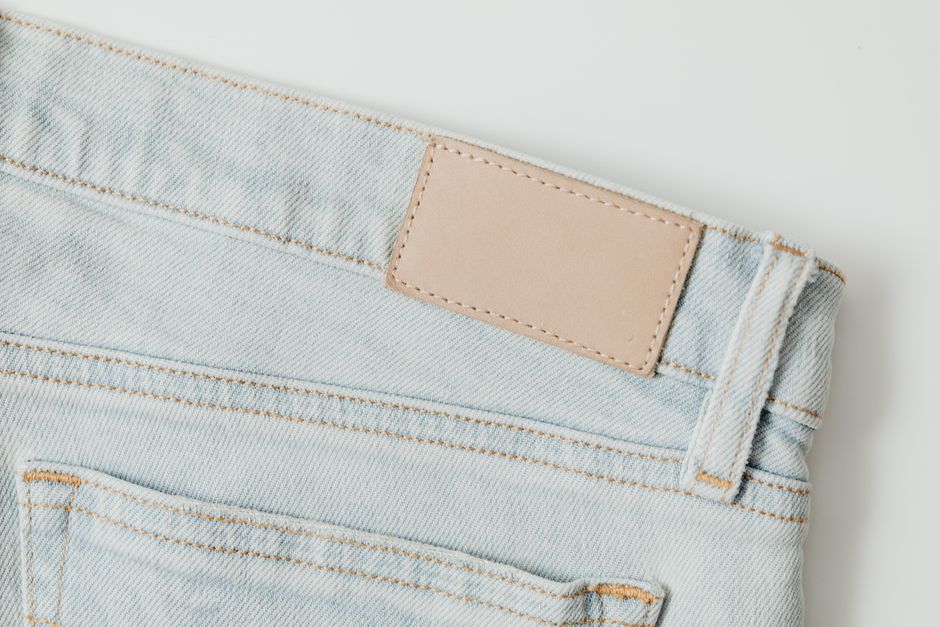
Private label clothing refers to apparel that is manufactured by one company for sale under another company’s brand. This arrangement benefits retailers by allowing them to offer exclusive products that cannot be found elsewhere. Retailers can dictate the design, quality, and pricing, giving them greater control over their brand identity. According to a recent study, approximately 22% of consumers prefer shopping for private label brands, highlighting the growing acceptance and demand for these products.
One of the primary advantages of private label clothing is the potential for higher profit margins. Traditional retail models often involve purchasing items from well-known brands at a wholesale price, which limits profitability. In contrast, private label clothing allows retailers to set their prices, leading to significantly higher margins. With the right marketing strategy, businesses can create a strong brand presence and customer loyalty through unique offerings.
Benefits of Private Label Clothing
The benefits of private label clothing extend beyond just profit margins. One significant advantage is the ability to differentiate your brand in a crowded marketplace. By offering unique designs, materials, and styles, retailers can attract a specific target audience and build a distinct identity. For example, a boutique that specializes in eco-friendly clothing can create private label apparel that aligns with its values, appealing to environmentally conscious consumers.
Another benefit is the flexibility and adaptability that private label clothing provides. Retailers can quickly respond to market trends and consumer demands without relying on third-party suppliers. This agility allows businesses to launch new products or modify existing ones based on feedback or changing consumer preferences. As a result, retailers can remain competitive and relevant in an ever-evolving market.
Challenges in the Private Label Clothing Business
While the benefits are compelling, there are challenges associated with private label clothing that retailers must navigate. One of the most significant hurdles is finding a reliable manufacturer. Quality control is crucial, as consumers expect consistency in products. Retailers should conduct thorough research to find manufacturers that align with their brand values and quality standards.
Additionally, retailers must invest in marketing and branding. Simply having a private label clothing line is not enough; businesses need to create awareness and drive sales. This involves developing a robust marketing strategy that includes online and offline channels. Many successful retailers utilize social media, influencer partnerships, and targeted advertising to promote their private label products effectively.
Best Practices for Launching a Private Label Clothing Line
To successfully launch a private label clothing line, retailers should follow a few best practices. First, conducting market research is essential. Understanding the target audience, their preferences, and current market trends can inform design and production decisions. Retailers should also analyze competitors to identify gaps in the market that their products can fill.
Next, establishing strong relationships with manufacturers is critical. Clear communication about quality expectations, production timelines, and pricing can prevent misunderstandings and ensure that the final product meets the retailer’s standards. It’s also beneficial to establish a solid contract that protects both parties’ interests.
Lastly, retailers should focus on building a strong brand story. Consumers are drawn to brands with a compelling narrative. Whether it’s about sustainability, craftsmanship, or community involvement, communicating the brand’s values can foster customer loyalty and encourage repeat purchases. Incorporating elements of your story into product descriptions, marketing materials, and social media can enhance your brand’s appeal.
Conclusion
In conclusion, private label clothing offers retailers a unique opportunity to capitalize on the growing demand for exclusive and differentiated products. By understanding the benefits and challenges, and implementing best practices, businesses can successfully navigate this market. As you consider launching your private label clothing line, remember to focus on quality, branding, and customer engagement. With the right approach, your private label clothing can become a cornerstone of your brand’s identity and profitability. For those interested in exploring options for private label clothing, various online platforms provide valuable resources to help you get started, such as private label clothing.
