
In an age where climate variability and market fluctuations pose significant challenges to farmers and agricultural producers, crop insurance has emerged as a vital tool for risk management. This insurance provides coverage for losses due to natural disasters, pests, and other unforeseen events, allowing farmers to sustain their livelihoods. In this article, we explore the intricacies of crop insurance, its importance, types, and how it can be a game-changer for agricultural sustainability.
The Importance of Crop Insurance
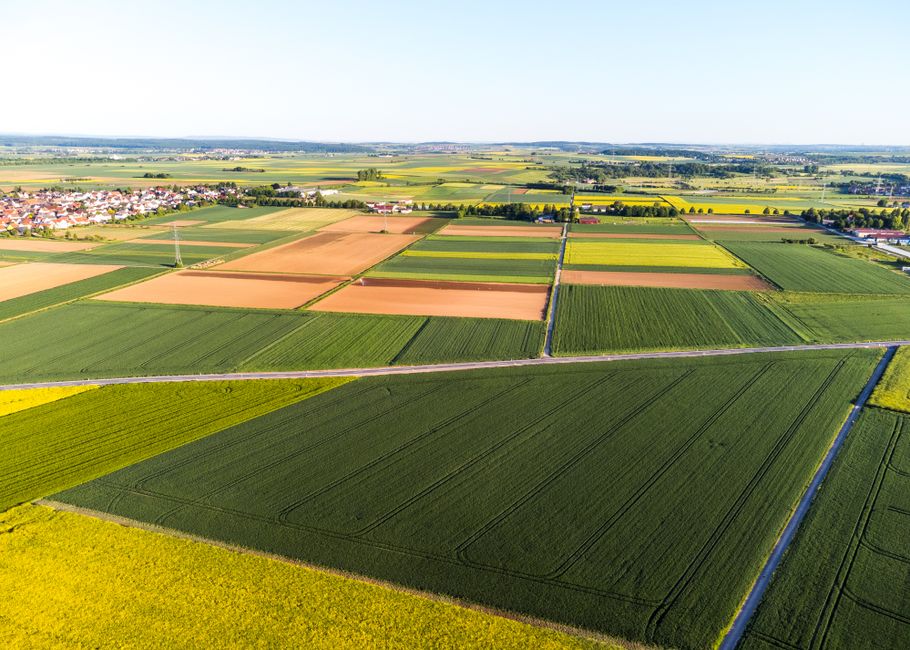
Crop insurance plays a crucial role in safeguarding the financial stability of farmers. With unpredictable weather patterns and increasing incidences of crop failures, having a safety net has never been more important. According to the USDA, the average loss for farmers without insurance can be devastating, leading to significant financial strain and potential bankruptcy. Crop insurance not only protects against physical losses but also contributes to the overall economic stability of the agricultural sector.
Furthermore, crop insurance encourages farmers to adopt innovative farming practices. Knowing they are protected, farmers may be more willing to experiment with new crops or techniques that could ultimately increase their productivity and sustainability. This innovation is essential for adapting to the challenges posed by climate change.
Types of Crop Insurance
There are primarily two types of crop insurance: actual production history (APH) and revenue protection (RP). APH insurance provides coverage based on the historical yield of a particular crop. This means that farmers are compensated based on their average yield in previous years, which can provide a reliable safety net.
On the other hand, revenue protection insurance covers losses in both yield and price. This type of insurance is particularly beneficial in volatile markets where prices can fluctuate dramatically. Farmers can ensure they receive a certain revenue level, regardless of market conditions. For example, if a farmer’s yield is lower than expected, but market prices also drop, the revenue protection insurance will still provide compensation based on the guaranteed revenue level.
Who Should Consider Crop Insurance?
While crop insurance is beneficial for all farmers, it is particularly essential for those who grow high-value or specialty crops, such as fruits and vegetables. These crops are often more susceptible to environmental risks and market fluctuations. Additionally, first-time farmers or those transitioning to organic farming can greatly benefit from crop insurance as it reduces the financial risks associated with their new practices.
The decision to invest in crop insurance should also consider the farmer’s financial situation, crop type, and regional risks. For instance, farmers in areas that frequently experience droughts or floods may find crop insurance to be a necessary investment to protect against these inherent risks.
How to Choose the Right Crop Insurance Policy
Choosing the right crop insurance policy can be overwhelming due to the variety of options available. Farmers should start by assessing their specific needs, including the types of crops they grow and the risks they face. Consulting with an insurance agent who specializes in agricultural insurance can provide valuable insights and help tailor a policy that meets individual requirements.
It’s also essential for farmers to review the terms and conditions of different policies carefully. Understanding the coverage limits, deductibles, and exclusions can prevent unpleasant surprises during the claims process. Additionally, staying informed about changes in agricultural policies and market conditions can help farmers make timely decisions about their insurance needs.
Conclusion: The Future of Crop Insurance
As the agricultural landscape continues to evolve, the role of crop insurance will likely become even more critical. With advancements in technology and data analytics, crop insurance providers are developing more personalized and adaptive insurance solutions. For instance, innovative approaches such as satellite imagery and predictive analytics are enhancing risk assessments, leading to more accurate coverage.
In conclusion, crop insurance is not just a safety net for farmers; it is a crucial component of a resilient agricultural system. By investing in crop insurance, farmers can mitigate risks, encourage innovation, and ultimately contribute to a more sustainable food system. For more information on the specifics of crop insurance, you can visit crop insurance.
