
In today’s competitive business landscape, the importance of a well-designed commercial space cannot be overstated. The commercial interior design sector plays a crucial role in shaping not only the aesthetics of a business but also its functionality and overall brand identity. Whether it’s a bustling restaurant, a sleek office, or a cozy retail store, the design choices made by a commercial interior designer can significantly impact customer experience and employee productivity.
Understanding Commercial Interior Design
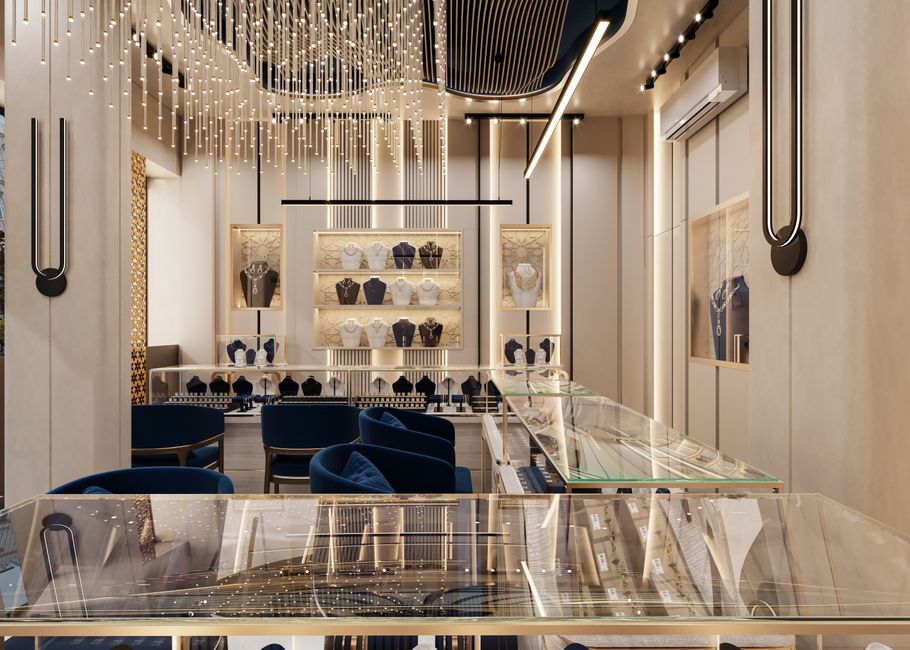
Commercial interior design involves the planning and design of spaces used for commercial purposes. This includes offices, retail stores, restaurants, and other public spaces. The primary objective is to create environments that are not only visually appealing but also functional and safe. For instance, a well-designed office space can enhance employee morale and efficiency, while a thoughtfully arranged retail store can lead to increased sales.
One of the key aspects of commercial interior design is understanding the client’s vision and how it aligns with their business goals. A successful designer will work closely with clients to identify their needs and preferences, ensuring that the final design reflects their brand and meets their operational requirements. This collaborative approach is essential for creating spaces that resonate with both employees and customers.
Furthermore, commercial interior designers must be adept at navigating various regulations and building codes that govern commercial spaces. This includes understanding safety standards, accessibility requirements, and environmental considerations. By adhering to these guidelines, designers ensure that the spaces they create are not only beautiful but also compliant and safe for public use.
Key Elements of Successful Commercial Interior Design
Several crucial elements contribute to effective commercial interior design. One of the most important is the layout of the space. An efficient layout maximizes the use of available space while allowing for smooth traffic flow. For example, in a restaurant, the arrangement of tables and the placement of the kitchen can significantly affect the dining experience.
Another vital element is lighting. Proper lighting can enhance the mood of a space, highlight architectural features, and improve functionality. In retail environments, bright, well-placed lighting can draw attention to merchandise, encouraging purchases. On the other hand, softer lighting in a restaurant can create a warm and inviting atmosphere, enhancing the overall dining experience.
Color schemes also play a significant role in commercial interior design. Colors can evoke specific emotions and influence behavior. For instance, warm colors like red and orange can stimulate appetite, making them ideal for restaurants, while cooler colors like blue and green can create a calming effect, perfect for spa environments. A savvy commercial interior designer knows how to use color effectively to align with the brand’s identity and the intended experience of the space.
Trends in Commercial Interior Design
The world of commercial interior design is constantly evolving, with new trends emerging each year. One notable trend is the shift towards sustainable design. Many businesses are now prioritizing eco-friendly materials and practices in their interior design choices. This includes using recycled materials, energy-efficient lighting, and sustainable furnishings. Not only does this approach benefit the environment, but it also appeals to consumers who are increasingly conscious of sustainability.
Another trend is the incorporation of technology in design. Smart offices equipped with the latest technology can enhance productivity and employee satisfaction. Features such as adjustable lighting, climate control, and integrated audiovisual systems are becoming standard in modern commercial spaces. A skilled commercial interior designer will seamlessly integrate these technologies into their designs, creating spaces that are both functional and forward-thinking.
Moreover, the concept of biophilic design is gaining traction in commercial settings. This approach emphasizes the connection between nature and the built environment, incorporating elements like natural light, plants, and water features into the design. Research has shown that biophilic design can improve employee well-being and productivity, making it an appealing option for businesses looking to enhance their workspaces.
The Role of a Commercial Interior Designer
The role of a commercial interior designer extends beyond mere aesthetics. Designers are responsible for creating functional spaces that meet the specific needs of their clients. This involves a comprehensive understanding of the client’s business, target audience, and brand identity. Designers must also stay updated on industry trends, materials, and technologies to provide innovative solutions that enhance the user experience.
Collaboration is a crucial aspect of a designer’s role. They often work alongside architects, contractors, and other professionals to bring a project to life. Effective communication and project management skills are essential for ensuring that the design vision is executed accurately and efficiently. Furthermore, designers must be adept at problem-solving, as challenges can arise at any stage of the design process.
In addition to technical skills, a successful commercial interior designer possesses a keen sense of creativity and an eye for detail. They must be able to visualize how different elements will come together to create a cohesive and harmonious space. Ultimately, their goal is to craft environments that not only look great but also enhance the functionality and atmosphere of the business.
Conclusion: The Impact of Commercial Interior Design
In conclusion, commercial interior design is a vital aspect of the business environment, influencing both customer perception and employee productivity. A well-designed space can elevate a brand, create memorable experiences, and foster a positive atmosphere for everyone who interacts with it. As trends evolve and new technologies emerge, the role of the commercial interior designer will continue to grow in importance.
For businesses looking to invest in their physical space, partnering with a skilled commercial interior designer can yield significant returns. By focusing on functionality, aesthetics, and sustainability, designers can help create spaces that not only meet the needs of the business but also resonate with customers and employees alike. As we move forward, the importance of thoughtful and strategic commercial interior design will undoubtedly remain a key factor in the success of any business.
