
In the realm of construction, equipment rental has become a strategic choice for many businesses seeking to optimize costs and enhance operational efficiency. Among the vast array of equipment available, excavators stand out as essential machinery for various tasks, from digging foundations to demolishing structures. This article delves into the ins and outs of excavator rental, providing valuable insights for contractors and project managers alike.
Understanding Excavators: Types and Uses
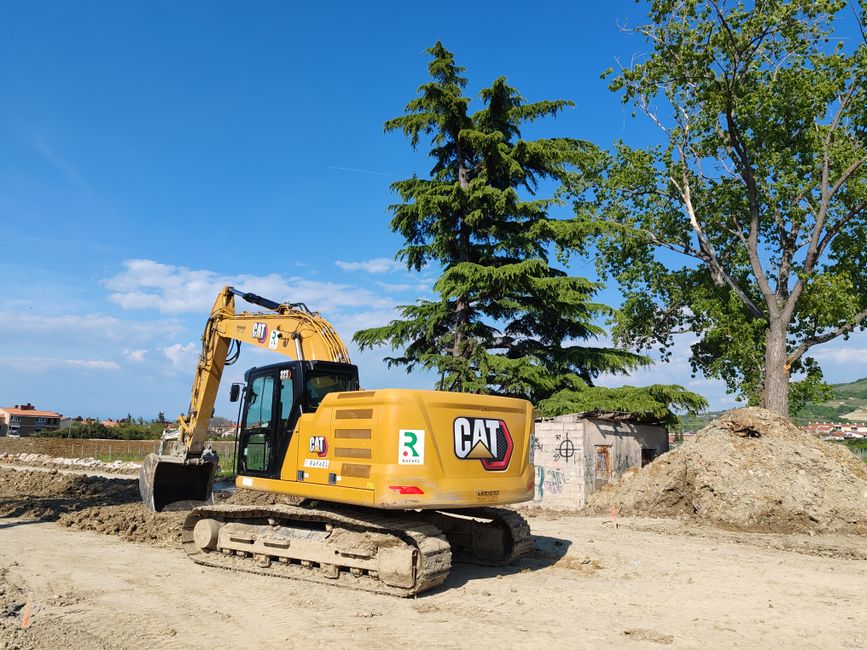
Excavators are versatile machines used in construction and other industries, characterized by their rotating platform, arm, and bucket. They come in various types, each tailored for specific tasks. The most common types include mini excavators, standard excavators, and large excavators.
Mini excavators, often weighing less than 10 tons, are ideal for small-scale projects such as residential landscaping and utility work. Their compact size allows them to maneuver in tight spaces, making them a popular choice for urban construction sites. Standard excavators, which range from 10 to 45 tons, are suited for medium to large projects, including road construction and large-scale site preparation.
The largest excavators, often exceeding 45 tons, are designed for heavy-duty applications such as mining and large-scale earthmoving. Each type of excavator serves a unique purpose, making it essential for contractors to assess their project requirements before renting.
Benefits of Renting Excavators
Opting for excavator rental comes with a plethora of advantages. Firstly, it allows businesses to avoid the high upfront costs associated with purchasing heavy machinery. Instead, contractors can allocate budget resources towards other critical areas of their projects.
Moreover, renting provides access to the latest equipment models, equipped with advanced technologies that enhance productivity and safety. For instance, modern excavators often come with features like GPS tracking and automated controls, which can significantly streamline operations.
Additionally, renting minimizes maintenance responsibilities. Rental companies typically handle routine maintenance and repairs, allowing contractors to focus on their core tasks without worrying about equipment downtime. This convenience can lead to increased project efficiency and better timelines.
Choosing the Right Excavator Rental Company
When it comes to excavator rental, selecting the right company is crucial. Contractors should look for rental services that offer a diverse fleet of excavators to cater to various project needs. A company with a wide range of models ensures that businesses can find the right equipment for their specific tasks.
Furthermore, reviews and testimonials can provide insight into the reliability and customer service of rental companies. It’s advisable to choose a provider known for its commitment to maintenance and safety checks, as this can greatly affect the performance and reliability of the rented equipment.
Lastly, understanding the rental terms and conditions is vital. Contractors should clarify the rental duration, costs, and any additional fees associated with the rental process. This transparency helps prevent unexpected expenses and ensures smoother project execution.
The Rental Process: What to Expect
Renting an excavator typically involves several straightforward steps. Initially, contractors need to assess their project requirements, determining the type and size of the excavator that best fits their needs.
Next, prospective renters should reach out to rental companies to inquire about availability and pricing. It’s beneficial to compare quotes from multiple providers to ensure competitive rates. Once a suitable company is identified, contractors can finalize the rental agreement.
During the rental period, it’s essential to conduct regular checks and report any issues to the rental company promptly. This proactive approach helps maintain the equipment’s condition and ensures that any necessary repairs are addressed quickly.
Cost Considerations and Budgeting for Excavator Rental
Understanding the costs associated with excavator rental is vital for effective budgeting. Rental rates can vary based on factors such as the type of excavator, rental duration, and geographical location. On average, contractors may expect to pay between $300 to $1,500 per day, depending on the size and model of the equipment.
In addition to the rental fee, contractors should account for other potential costs, such as transportation fees, insurance, and any additional equipment needed for specific tasks. Making a comprehensive budget that includes all these factors can help prevent financial surprises during the project.
By planning effectively and understanding the full scope of rental costs, contractors can maximize their investment in excavator rental while minimizing the financial strain on their projects.
Conclusion
Excavator rental presents a practical solution for construction projects, offering flexibility, cost savings, and access to advanced equipment. By understanding the types of excavators available, the benefits of renting, and the rental process, contractors can make informed decisions that enhance their project’s success. For those looking to explore their options, consider the advantages of excavator rental and take your construction projects to new heights.
