
Irrigation systems play a crucial role in modern agriculture, ensuring that crops receive the necessary water for optimal growth. As global demand for food increases, the efficiency and effectiveness of these systems become ever more important. This article explores the latest innovations in irrigation systems, their impact on agriculture, and the trends shaping the future of water management in farming.
Understanding Irrigation Systems
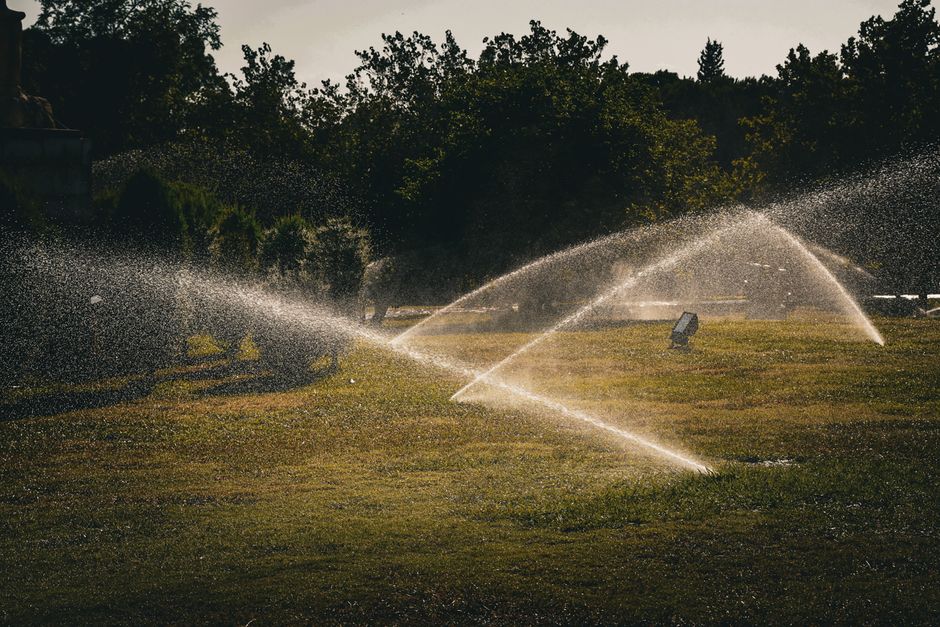
Irrigation systems can be broadly categorized into various types, including surface, drip, and sprinkler systems. Each type has its unique advantages and drawbacks, making them suitable for different agricultural practices. Surface irrigation is one of the oldest methods, where water is distributed over the soil surface by gravity. However, it can be inefficient and lead to water wastage if not managed properly.
On the other hand, drip irrigation systems have gained popularity for their efficiency. They deliver water directly to the roots of plants through a network of tubing and emitters. This method minimizes evaporation and runoff, making it an ideal choice for water-scarce regions. Furthermore, advancements in technology have allowed for the integration of smart sensors in these systems, enabling real-time monitoring and adjustments.
Innovations in Irrigation Technology
Recent innovations in irrigation technology are transforming how farmers approach water management. For instance, the use of IoT (Internet of Things) devices in irrigation systems allows farmers to monitor soil moisture levels remotely. This data-driven approach enables more precise watering schedules, reducing water waste and improving crop yields.
Moreover, automated irrigation systems are becoming increasingly common. These systems can be programmed to water crops based on specific weather conditions and soil moisture data. By leveraging weather forecasts and soil sensors, farmers can optimize their irrigation practices, leading to significant water savings.
Another exciting development is the advent of mobile applications designed for irrigation management. These apps provide farmers with tools to plan and manage their irrigation schedules effectively. They can receive alerts about changing weather conditions or soil moisture levels, allowing them to make informed decisions about when and how much to irrigate.
The Role of Sustainability in Irrigation
Sustainability is a key consideration in the development of modern irrigation systems. As water scarcity becomes a more pressing issue, efficient irrigation practices are essential for sustainable agriculture. Techniques such as rainwater harvesting and the use of recycled water for irrigation are gaining traction.
Additionally, drip irrigation systems are often touted as a sustainable solution. According to recent studies, these systems can reduce water usage by up to 50% compared to traditional methods. This not only conserves water but also helps in maintaining the health of the soil by preventing over-saturation.
Furthermore, sustainable irrigation practices contribute to enhancing biodiversity. By using less water and minimizing chemical runoff, farmers can create healthier ecosystems that support a variety of plant and animal life.
Challenges Facing Modern Irrigation Systems
Despite the advancements in irrigation technology, several challenges remain. One of the most significant issues is the high cost of implementing advanced irrigation systems, particularly for smallholder farmers. The initial investment in technology and infrastructure can be prohibitive, making it difficult for them to adopt modern practices.
Moreover, climate change poses a considerable threat to water availability. Altered weather patterns can lead to droughts or excessive rainfall, complicating irrigation management. Farmers must adapt their practices to these changing conditions, which can require additional resources and training.
Lastly, the issue of water rights and access remains contentious in many regions. Conflicts over water usage can hinder the development and implementation of effective irrigation systems, as competing interests clash over limited resources.
Conclusion: The Path Forward for Irrigation Systems
The future of irrigation systems lies in the balance between innovation and sustainability. By embracing new technologies and practices, farmers can enhance water efficiency and crop productivity. As we move forward, it is essential to address the challenges facing these systems to ensure that agriculture can meet the needs of a growing population.
In conclusion, the evolution of irrigation systems is vital for sustainable agriculture. By leveraging technology, practicing efficient water management, and addressing socio-economic challenges, we can pave the way for a more resilient agricultural future. For those interested in exploring advanced irrigation solutions, resources such as irrigation system studies can provide valuable insights.
