
Septic tanks play a crucial role in the wastewater management of many homes, especially in rural areas where sewer systems are not available. Proper maintenance and cleaning of these systems are vital to ensure their longevity and efficiency. Neglecting septic tank care can lead to costly repairs and environmental hazards. In this article, we will explore the importance of septic tank cleaning, how often it should be done, the cleaning process, and signs that indicate your septic tank needs attention.
Why Septic Tank Cleaning is Important
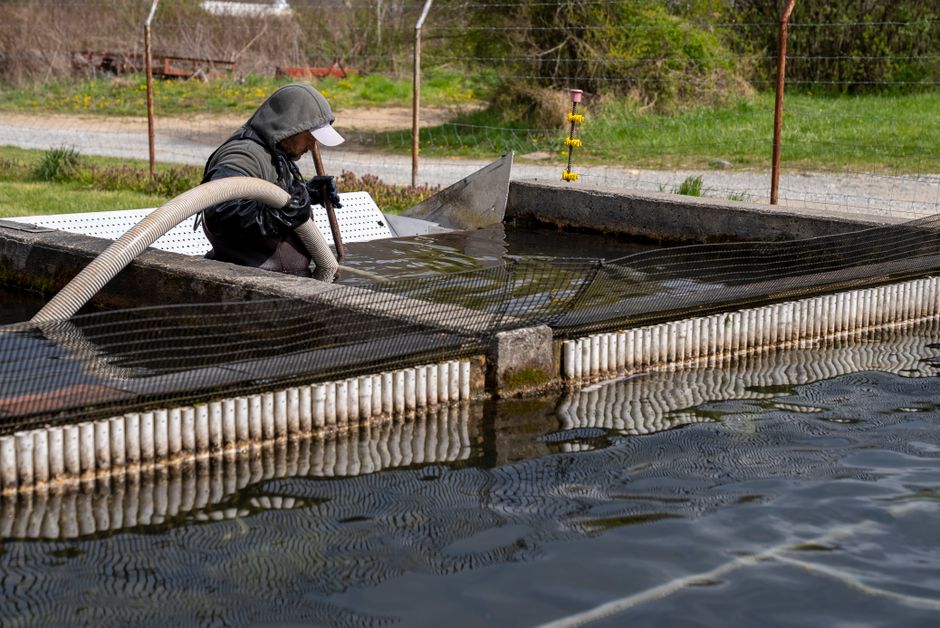
Septic tanks are designed to treat wastewater efficiently by separating solids, liquids, and scum. Over time, solids build up in the tank, which can lead to blockages and system failure. Regular cleaning prevents these issues and ensures that the wastewater is treated properly before being released into the environment. Additionally, maintaining your septic system can save homeowners a significant amount of money in the long run, as repairs and replacements can be quite expensive.
Furthermore, improper maintenance can lead to environmental contamination. When a septic tank overflows or fails, untreated wastewater can seep into the ground, potentially contaminating local water supplies. This can pose serious health risks to both humans and wildlife. Thus, regular septic tank cleaning is not only a matter of convenience but also a critical environmental responsibility.
How Often Should You Clean Your Septic Tank?
The frequency of septic tank cleaning can vary depending on several factors, including the size of the tank, the number of occupants in the household, and the amount of wastewater generated. On average, it is recommended to have your septic tank pumped every 3 to 5 years. However, larger households or those with a high water usage may need to have their tanks serviced more frequently.
To determine the best schedule for your specific situation, it’s advisable to consult with a septic maintenance professional who can evaluate your system and provide tailored recommendations. Regular inspections can also help assess the state of your tank and alert you to any potential issues before they escalate.
The Septic Tank Cleaning Process
The process of cleaning a septic tank involves several key steps. First, a professional will locate the tank and remove the access lid. Next, they will pump out the accumulated solids and liquids using specialized equipment. This process typically takes a few hours, depending on the size of the tank and the extent of the buildup.
After pumping, the technician will inspect the tank for damage, leaks, or any other issues. They may also check the drain field to ensure it is functioning properly. Finally, the tank will be re-sealed, and the area will be cleaned up. It’s essential to have this process performed by a qualified professional to ensure it is done safely and effectively.
Signs Your Septic Tank Needs Attention
There are several signs that may indicate your septic tank requires cleaning or maintenance. One of the most common indicators is slow drains or backups in your plumbing. If you notice that your toilets or sinks are draining slowly, it could be a sign of a full tank or blockage in the system.
Another warning sign is the presence of unpleasant odors around your yard or near the septic tank. Foul smells can indicate that the tank is overflowing or that there is a leak. Additionally, if you see lush, green grass growing over the drain field, it may be a sign that the tank is leaking and discharging wastewater into the soil.
Lastly, if you experience frequent sewage backups or notice gurgling sounds in your plumbing, it’s crucial to contact a septic maintenance professional immediately. Ignoring these signs can lead to more severe problems and costly repairs.
Conclusion
In conclusion, regular septic tank cleaning is vital for the proper functioning of your wastewater management system. It helps prevent costly repairs, protects the environment, and ensures that your household remains safe from health risks associated with septic failures. By understanding the importance of septic maintenance and recognizing the signs that your tank needs attention, you can take proactive steps to keep your system in optimal condition. If you are unsure about the state of your septic system, consult a professional for advice and service. Remember, a well-maintained septic tank is key to a healthy home and environment.
For more information on septic maintenance, consider reaching out to a local expert.
