
In the fast-paced world of the food and beverage industry, having an efficient Point of Sale (POS) system is crucial. A restaurant POS system not only streamlines transactions but also enhances the overall dining experience for customers. With the right system in place, restaurant owners can manage their operations more effectively and improve profitability.
Understanding the Basics of Restaurant POS Systems
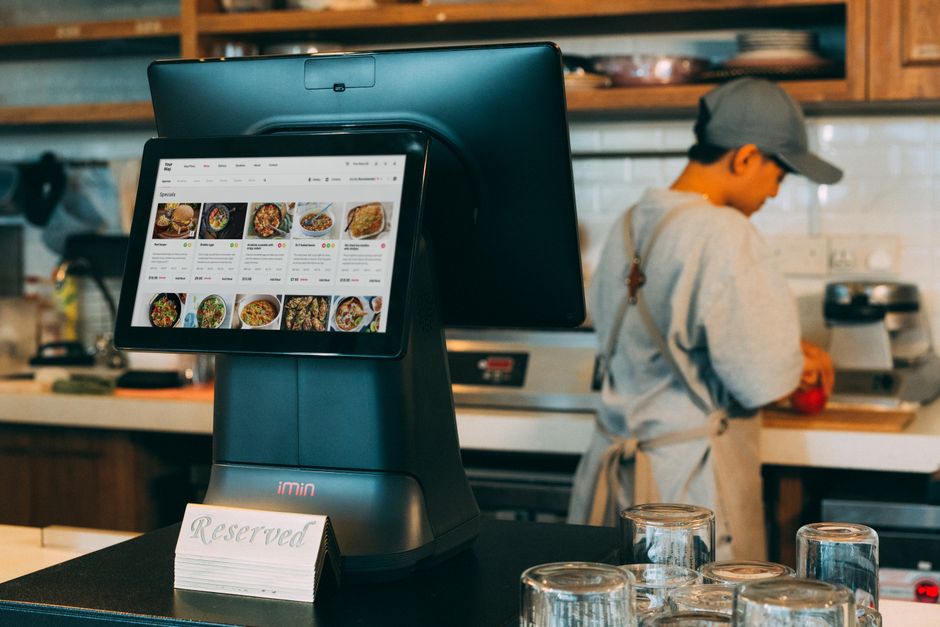
A restaurant POS system is a combination of hardware and software that allows restaurant staff to take orders, process payments, and manage inventory. It acts as the command center for restaurant operations, enabling staff to efficiently serve customers. The basic components of a POS system include a touchscreen terminal, receipt printer, cash drawer, and sometimes barcode scanners for tracking inventory.
Modern restaurant POS systems have evolved significantly from their traditional counterparts. They now come equipped with advanced features that help automate various tasks. For instance, many systems offer cloud-based solutions that allow restaurant owners to access data remotely, enabling them to monitor sales and inventory from anywhere.
Furthermore, these systems can integrate with various payment processing options, allowing customers to pay using credit/debit cards, mobile wallets, or even cryptocurrencies. Such flexibility not only enhances customer satisfaction but also speeds up the checkout process.
Key Features of an Effective Restaurant POS System
When selecting a restaurant POS system, it is important to consider the features that will best suit your establishment’s needs. Here are some key features to look for:
1. Inventory Management: An effective POS system should have robust inventory management capabilities, allowing restaurant owners to track stock levels in real-time. This feature is crucial for preventing stockouts and wastage, which can significantly impact profitability.
2. Customer Relationship Management (CRM): Many modern POS systems include CRM features that enable restaurants to collect and analyze customer data. This information can be used to personalize marketing efforts and improve customer loyalty.
3. Sales Reporting: Comprehensive sales reporting tools are essential for understanding sales trends over time. With accurate reports, restaurant owners can make informed decisions about menu changes, pricing strategies, and promotional efforts.
restaurant POS system provides these advanced reporting features, which can be customized according to the needs of the business.
Benefits of Using a Modern Restaurant POS System
The benefits of implementing a modern restaurant POS system extend beyond just processing payments. Here are some key advantages:
1. Improved Efficiency: With a POS system, staff can take orders and process payments quickly, reducing wait times for customers. This efficiency can lead to increased table turnover rates and higher revenue.
2. Enhanced Customer Experience: A streamlined ordering process allows for better service, which translates to happier customers. Additionally, features such as table reservation management can help optimize the dining experience.
3. Cost Savings: Automating various tasks with a POS system can reduce labor costs and minimize human error. For example, accurate inventory tracking helps prevent over-ordering and spoilage, saving money in the long run.
Challenges to Consider When Choosing a POS System
While the benefits of a restaurant POS system are clear, there are also challenges to consider. One major challenge is the initial cost of implementation. Depending on the system’s features and complexity, the upfront investment can be significant.
Another challenge is the need for staff training. Transitioning to a new POS system can be daunting for employees, and proper training is essential to ensure a smooth adoption process. Investing time and resources into training will pay off in the long run by maximizing the system’s potential.
Lastly, restaurant owners should be aware of potential technical issues that may arise. Choosing a reliable vendor with good customer support is crucial for minimizing downtime and ensuring that the system operates smoothly.
Conclusion: Making the Right Choice for Your Restaurant
In conclusion, a restaurant POS system is an invaluable tool that can significantly enhance the efficiency and profitability of any establishment. By understanding the key features, benefits, and challenges associated with these systems, restaurant owners can make informed decisions that will lead to success in the competitive food and beverage industry. As technology continues to evolve, staying updated with the latest advancements in POS systems will be essential for maintaining a competitive edge.
