
Perfume has been an integral part of human culture for centuries, captivating our senses and evoking emotions with every spritz. The art of fragrance creation, known as perfumery, is a delicate balance of science and artistry, where skilled perfumers blend various ingredients to craft scents that tell a story. From ancient civilizations to modern luxury brands, the world of perfume is rich with history and innovation, making it a fascinating subject for exploration.
Understanding the Basics of Perfume
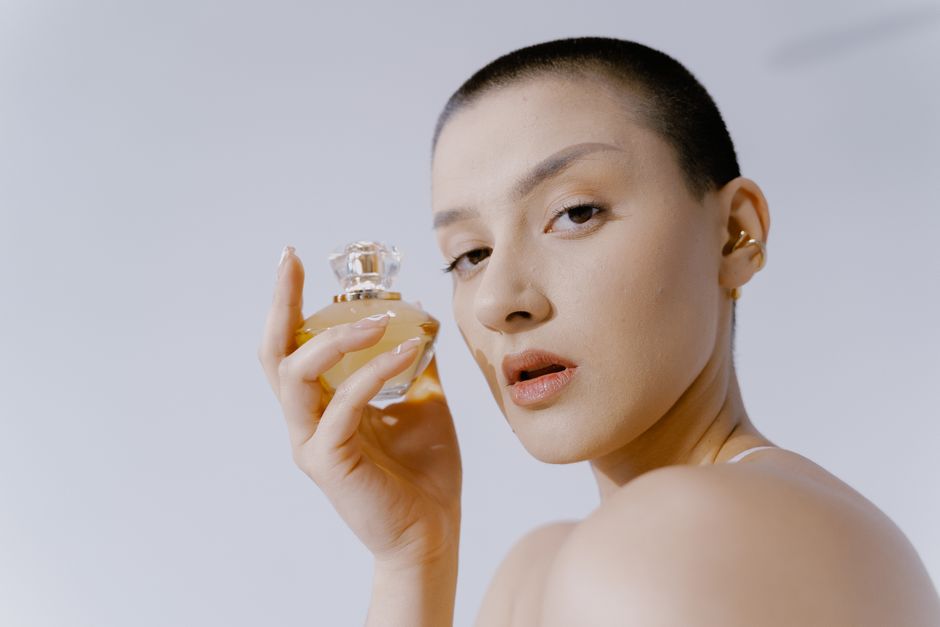
At its core, perfume is a mixture of essential oils, aroma compounds, and solvents that create a pleasant scent. The fragrance industry categorizes perfumes into different types based on their concentration levels, such as parfum, eau de parfum, eau de toilette, and eau de cologne. Each type has a distinct scent profile and longevity, with parfum being the most concentrated and long-lasting.
Perfume is typically composed of three main notes: top, middle, and base notes. Top notes are the initial scents you perceive when applying perfume, often light and fresh. Middle notes emerge after the top notes fade and form the heart of the fragrance, while base notes provide depth and longevity, lingering long after the initial application.
Moreover, the choice of ingredients plays a crucial role in the overall character of a perfume. Natural ingredients, such as essential oils from flowers, fruits, and spices, offer unique aromatic profiles, while synthetic compounds allow for greater creativity and consistency. The combination of these elements is what makes each fragrance unique and personal.
The History of Perfume
The history of perfume dates back to ancient times, with evidence of fragrance use found in Egyptian tombs and Sumerian texts. The Egyptians used perfumes in religious ceremonies and for personal adornment, while the Greeks and Romans embraced scented oils for bathing and daily wear. The art of perfumery flourished during the Renaissance, as trade routes opened up access to exotic spices and ingredients.
In the 17th century, the perfume industry began to take shape in France, where it became a symbol of luxury and sophistication. Notable figures, such as King Louis XIV, were known for their extravagant use of fragrance, further solidifying its status in society. Today, France remains the epicenter of the perfume industry, with cities like Grasse renowned for their perfume production.
The Modern Perfume Industry
Today, the perfume industry is a multi-billion dollar market, with countless brands and fragrances available to consumers. Major fashion houses and luxury brands have established their own fragrance lines, often collaborating with renowned perfumers to create signature scents. The rise of niche perfume houses has also introduced a new wave of creativity, offering unique and unconventional fragrances that cater to individual tastes.
In recent years, sustainability has become a significant focus within the industry. Many brands are now prioritizing eco-friendly practices, sourcing natural ingredients responsibly, and reducing waste. This shift reflects the growing consumer demand for transparency and ethical production methods.
Choosing the Right Perfume
Choosing a perfume is a highly personal experience, influenced by individual preferences, body chemistry, and even the seasons. When selecting a fragrance, it is essential to consider the notes that resonate with you. Floral scents may evoke feelings of romance, while woody or spicy fragrances can offer warmth and depth.
Additionally, testing perfumes on your skin is crucial, as the scent can change once it interacts with your body chemistry. It is advisable to test multiple fragrances over a few hours to determine which ones you truly enjoy. Many perfume enthusiasts recommend visiting a fragrance store that offers samples to help narrow down choices.
For those looking to explore high-end options, Maison Francis Kurkdjian (MFK) is known for its luxurious and sophisticated fragrances, appealing to those who appreciate artisanal craftsmanship in their scents.
The Future of Fragrance
The future of fragrance is poised for innovation, with technology playing a significant role in shaping the industry. Virtual reality and augmented reality are being utilized to enhance the perfume shopping experience, allowing consumers to explore scents in immersive ways. Additionally, advancements in formulation technology may lead to new scent creations that were previously unimaginable.
Moreover, the rise of personalization is transforming how consumers approach fragrance. Brands are beginning to offer customizable options, enabling individuals to create their own signature scents that reflect their personality and style. This trend highlights the evolving relationship between consumers and fragrance, emphasizing the desire for unique and meaningful experiences.
Conclusion
The world of perfume is a captivating blend of history, art, and science, inviting us to explore the intricate layers of scent that shape our experiences and emotions. From ancient rituals to modern innovations, perfume continues to evolve, offering an endless array of possibilities for self-expression. Whether you are a seasoned fragrance connoisseur or new to the world of scents, understanding the nuances of perfume can enhance your appreciation for this timeless art form.
