
The digital landscape is ever-evolving, and with it, the importance of effective web design has never been more crucial. A well-designed website not only attracts users but also ensures their engagement and retention. In this article, we delve into the essential elements of web design, exploring best practices, trends, and how to create a site that meets both aesthetic and functional demands.
Understanding User Experience (UX)
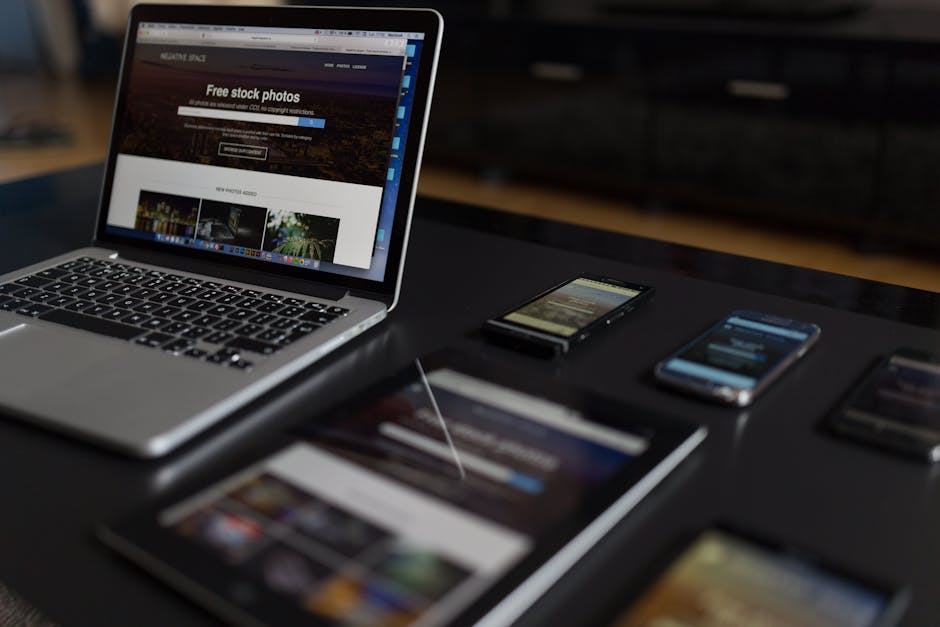
User experience, or UX, is at the heart of web design. It encompasses every aspect of a user’s interaction with a website, from navigation to content. A positive UX leads to higher user satisfaction and encourages repeat visits. To enhance UX, designers should prioritize simplicity and clarity in their layouts. For instance, the use of intuitive navigation menus can significantly decrease the time users spend searching for information.
Moreover, according to a study by Forrester Research, a well-designed user interface could increase a website’s conversion rate by up to 200%. This statistic underscores the critical nature of UX in web design. Implementing user feedback loops and conducting usability tests can help designers refine their sites to better meet user needs.
Another vital aspect of UX is mobile optimization. With over 50% of global web traffic coming from mobile devices, ensuring that a website is responsive is no longer optional. A mobile-friendly design allows users to have a seamless experience regardless of the device they are using.
Visual Elements: Color, Typography, and Imagery
The visual components of a website play a significant role in attracting attention and conveying brand identity. Color schemes should reflect the brand’s personality and evoke the desired emotions in users. For example, blue often conveys trust and professionalism, making it a popular choice for corporate websites.
Typography is equally important; the right font can enhance readability and reinforce brand messaging. Designers should aim for a balance between aesthetics and functionality, ensuring that text is easy to read across various devices.
Furthermore, high-quality images can significantly impact user engagement. Websites with compelling visuals are more likely to capture attention and encourage users to explore further. Stock photos can suffice in some cases, but custom images often yield better results as they provide a unique touch that aligns with the brand’s identity. It is also essential to optimize images for web use to enhance loading speeds and overall site performance.
SEO and Web Design: A Symbiotic Relationship
Search Engine Optimization (SEO) and web design are intricately linked. A beautiful website is of little use if it cannot be found by users. Incorporating SEO best practices into the design phase can lead to improved visibility on search engines. This includes using appropriate header tags, optimizing image alt texts, and ensuring fast loading times.
Furthermore, a well-structured website improves crawlability, allowing search engines to index the site more effectively. According to Google, sites that load within three seconds have a higher chance of retaining users. Thus, a focus on speed and performance should be a priority for web designers.
Additionally, integrating social media sharing options can enhance a site’s reach and engagement. Websites that encourage sharing can not only build a community around the brand but also enhance SEO through increased traffic and backlinks.
Current Trends in Web Design
The world of web design is continuously evolving, with new trends emerging regularly. One such trend is the use of minimalism, where simplicity and functionality take precedence over excessive ornamentation. This approach not only improves load times but also enhances user focus on the essential elements of the site.
Another trend gaining traction is dark mode design. Many users prefer dark interfaces for their aesthetic appeal and reduced eye strain. This trend reflects a shift in user preferences and highlights the importance of keeping up with design innovations.
Furthermore, the integration of advanced technologies such as artificial intelligence (AI) and machine learning is making waves in web design. These technologies can personalize user experiences and automate design processes, leading to more efficient workflows and enhanced user satisfaction.
Conclusion: The Future of Web Design
As technology advances, so too does the field of web design. The future will likely bring more immersive experiences, with virtual and augmented reality becoming more commonplace in web applications. Designers must remain flexible and open to learning as user expectations evolve.
In conclusion, effective web design is a multifaceted discipline that requires a balance of aesthetics and functionality. By prioritizing user experience, embracing visual elements, optimizing for SEO, and staying abreast of current trends, designers can create websites that not only captivate users but also drive results. Remember, a well-designed website is an investment in the future of your brand.
For those looking to learn more about web design strategies, resources like https://digitalheroes.co.in can provide valuable insights and support.
