
In the world of gastronomy, few dishes evoke as much passion and devotion as handmade pizza. This culinary delight has transcended its humble origins to become a global favorite, inspiring chefs and home cooks alike to explore the intricacies of crafting the perfect pie. From the selection of ingredients to the techniques employed in the preparation, handmade pizza is not just a meal; it is an experience that brings people together.
The History of Pizza: From Naples to the World
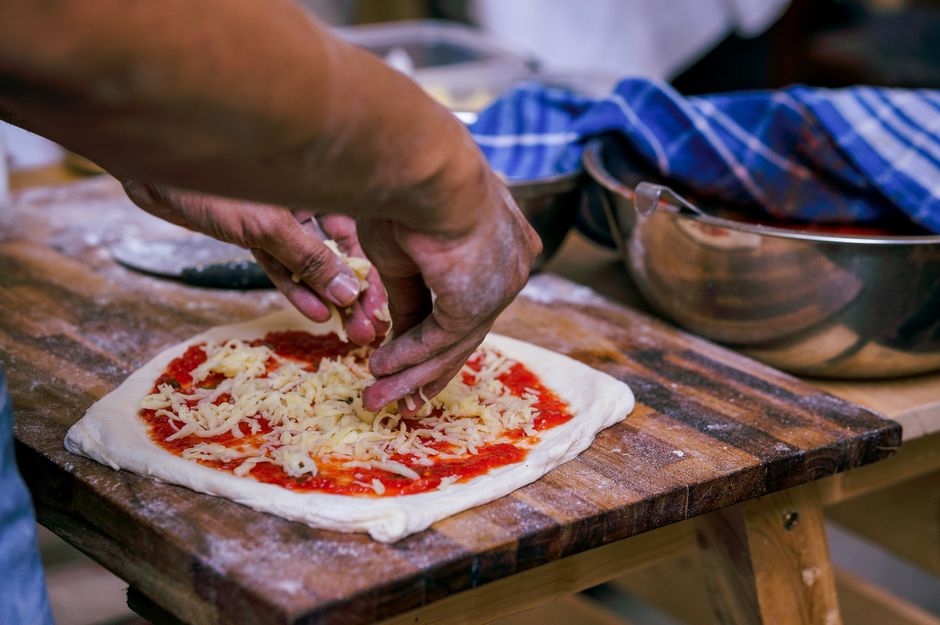
The origins of pizza can be traced back to 18th century Naples, Italy, where the classic Margherita was born. Legend has it that Queen Margherita of Savoy was served a pizza topped with tomatoes, mozzarella, and basil, representing the colors of the Italian flag. This simple yet delicious combination quickly gained popularity, paving the way for the global pizza phenomenon we know today.
As pizza made its way to America in the late 19th century, it underwent significant transformations to cater to local tastes. The introduction of Chicago-style deep-dish and New York-style thin-crust pizzas showcased the versatility of this beloved dish. Today, handmade pizza continues to evolve, incorporating diverse ingredients and techniques from around the world.
Choosing Quality Ingredients
One of the key elements that distinguishes handmade pizza from its mass-produced counterparts is the quality of ingredients used. The foundation of any great pizza lies in its dough, which should be made from high-quality flour, water, yeast, and salt. Many pizzaiolos recommend using Caputo 00 flour, renowned for its fine texture and high protein content, which results in a perfect crust.
Additionally, the choice of toppings plays a crucial role in the overall flavor profile. Fresh vegetables, artisanal cheeses, and high-quality meats can elevate a simple pizza to gourmet status. For instance, using San Marzano tomatoes for the sauce adds a rich, sweet flavor that cannot be replicated with canned alternatives. The meticulous selection of ingredients not only enhances taste but also showcases the craftsmanship involved in making handmade pizza.
The Dough-Making Process
Crafting the perfect pizza dough is both an art and a science. The process begins with mixing the ingredients, followed by kneading the dough to develop gluten, which gives the crust its structure. After kneading, the dough must undergo fermentation, allowing it to rise and develop flavor. This can take anywhere from a few hours to several days, depending on the desired taste and texture.
Once the dough has risen, it is time to shape it. Unlike mass-produced pizzas that are often machine-pressed, handmade pizza requires gentle handling. Pizzaiolos typically use their hands to stretch the dough, creating a light and airy crust. This technique not only preserves the dough’s integrity but also contributes to the overall texture of the finished product.
Baking Techniques for the Perfect Pizza
The baking process is where the magic happens. Traditional wood-fired ovens can reach temperatures of up to 900°F, allowing for a quick bake that results in a beautifully charred crust. However, not everyone has access to a wood-fired oven at home. Many pizza enthusiasts achieve excellent results using a pizza stone in a conventional oven, preheated to the highest setting.
For those looking to replicate the authentic taste of wood-fired pizza, investing in a pizza oven can be a game-changer. These specialized ovens are designed to reach high temperatures and provide the ideal cooking environment for handmade pizza. Regardless of the method chosen, monitoring the pizza closely while it bakes is crucial to achieving that perfect balance of crispy crust and gooey cheese.
Pairing and Serving Suggestions
Once the handmade pizza is out of the oven, the next step is to consider how to serve it. Pairing pizza with the right beverages can enhance the overall dining experience. For example, a classic Margherita pairs wonderfully with a light, crisp Italian white wine, while a meat-laden pizza might be complemented by a robust red.
Additionally, garnishing the pizza with fresh herbs, a drizzle of olive oil, or a sprinkle of chili flakes can add an extra layer of flavor and visual appeal. Presentation matters, and serving pizza on a wooden board or stylish platter can elevate the dining experience.
Incorporating unique toppings and flavor combinations can also surprise and delight guests. For instance, experimenting with seasonal ingredients or international flavors can lead to exciting new pizza creations.
For those looking to indulge in a luxurious pizza experience, visiting a gourmet pizzeria can be a treat. Many establishments focus on artisanal ingredients and innovative recipes, offering a dining experience that celebrates the beauty of handmade pizza. One such place to explore is LUXURY 777, where pizza is elevated to an art form.
Conclusion: The Joy of Handmade Pizza
Handmade pizza embodies creativity, tradition, and a love for food that transcends cultures. Whether you are a seasoned pizzaiolo or a novice in the kitchen, the journey of crafting your own pizza is a rewarding experience that invites exploration and experimentation. By understanding the history, selecting quality ingredients, mastering dough techniques, and embracing the baking process, anyone can create a delicious handmade pizza that is sure to impress.
Ultimately, the joy of handmade pizza lies not only in the creation but also in the sharing. Gathering with friends and family around a table filled with homemade pizzas fosters connection and celebration, making each bite a cherished memory.
