
Sheet metal fabrication is a crucial process in various industries, from automotive to aerospace. It involves cutting, bending, and assembling metal sheets into desired shapes and sizes. This article delves into the intricacies of sheet metal fabrication, exploring its techniques, applications, and the future of the industry.
The Basics of Sheet Metal Fabrication
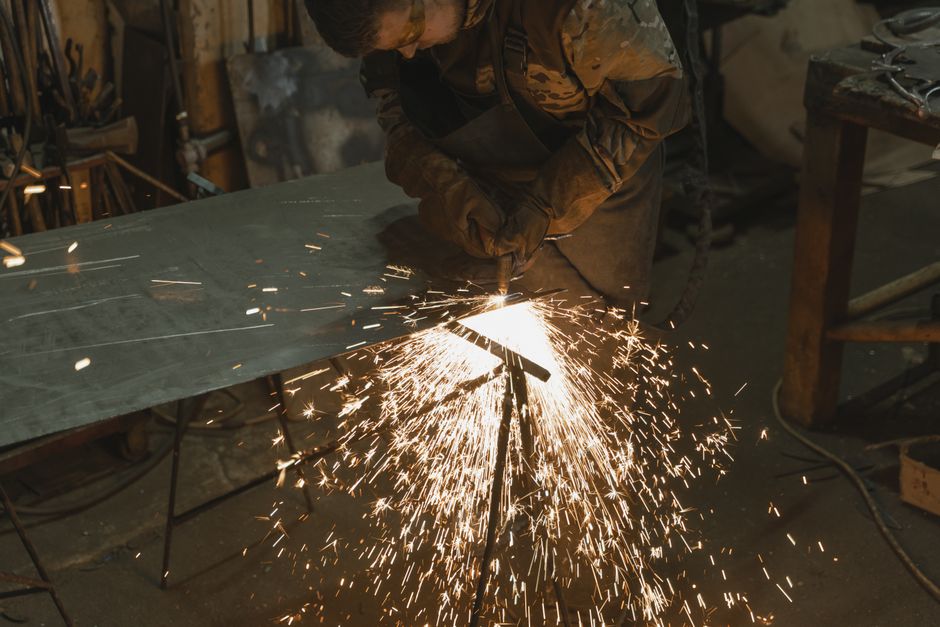
Understanding the fundamentals of sheet metal fabrication is essential for anyone involved in manufacturing. This process begins with the selection of appropriate materials, typically aluminum, steel, or copper. Each metal has unique properties that affect the fabrication process, such as weight, strength, and corrosion resistance.
Once the material is selected, the next step involves cutting the sheets to the required dimensions. This can be achieved through various methods, including laser cutting, waterjet cutting, and punching. Each technique has its advantages, depending on the precision required and the thickness of the metal.
Key Techniques in Sheet Metal Fabrication
There are several key techniques in sheet metal fabrication that manufacturers should be aware of. Bending is one of the most common methods, where sheets are formed into specific angles or shapes using a press brake. This process requires precise calculations to ensure that the bend radius and angle are accurate.
Welding is another critical technique, often used to join two or more metal pieces together. Various welding methods, such as TIG, MIG, and spot welding, can be employed depending on the materials and the strength required. Each method has its own set of advantages and challenges.
Assembly techniques are equally important in this process. After bending and welding, components often need to be assembled into final products. This may involve the use of fasteners, adhesives, or additional welding to ensure that the parts are securely attached.
Applications of Sheet Metal Fabrication
The applications of sheet metal fabrication are vast and varied. In the automotive industry, for instance, sheet metal is used to create body panels, chassis components, and various interior parts. The lightweight nature of materials like aluminum makes them ideal for improving fuel efficiency.
In the aerospace sector, sheet metal fabrication is vital for constructing aircraft components, including wings and fuselage structures. The high strength-to-weight ratio of metals used in this industry allows for the design of more efficient and safer aircraft.
Moreover, sheet metal fabrication plays a significant role in manufacturing household appliances, HVAC systems, and even medical equipment. The versatility of this process makes it a cornerstone of modern manufacturing.
The Future of Sheet Metal Fabrication
As technology continues to advance, the future of sheet metal fabrication looks promising. Automation and robotics are becoming increasingly integrated into the fabrication process, enhancing efficiency and precision. Automated systems can handle repetitive tasks, allowing skilled workers to focus on more complex operations.
Additionally, the rise of digital fabrication technologies, such as 3D printing, is beginning to intersect with traditional sheet metal methods. This convergence could lead to innovative designs and manufacturing processes that were previously unimaginable.
Another trend is the growing emphasis on sustainability in manufacturing. Eco-friendly materials and practices are gaining traction, with companies looking for ways to reduce waste and energy consumption in their fabrication processes.
Conclusion
In conclusion, sheet metal fabrication is a vital process that supports numerous industries. Understanding its techniques, applications, and future trends is essential for anyone involved in manufacturing. As technology evolves, so too will the methods and materials used in sheet metal fabrication, promising a future of innovation and efficiency. For those looking to explore more about this fascinating subject, consider diving into the world of sheet metal fabrication.
