
In an age where technology governs our interactions and experiences, the concert ticketing platform industry has undergone remarkable transformation. The convergence of digital innovation and live events has not only changed how fans access tickets but also how artists and venues manage their sales strategies. Understanding this evolution is crucial for both consumers and industry stakeholders.
Understanding the Concert Ticketing Landscape
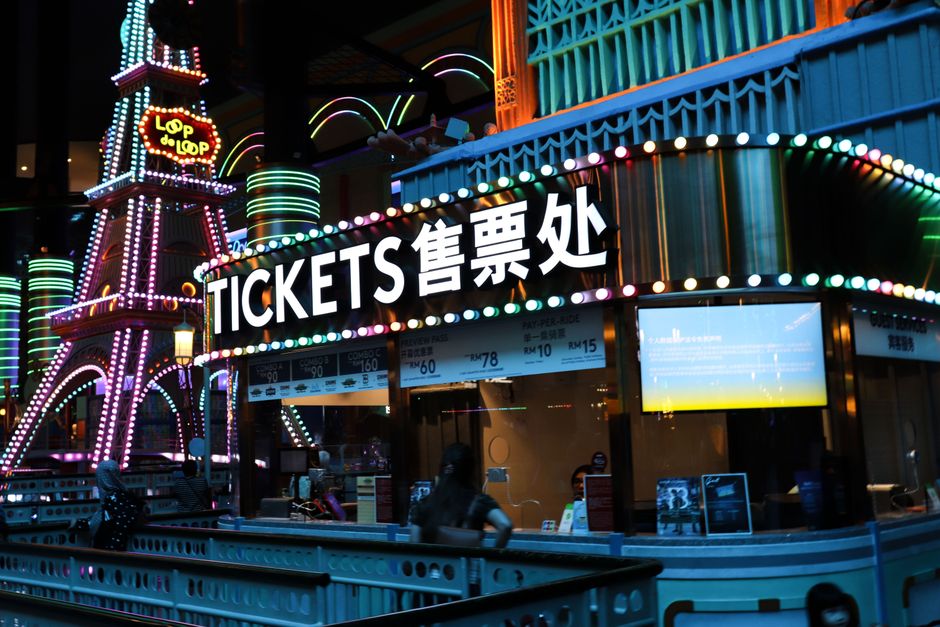
The concert ticketing landscape is diverse, with various platforms catering to different segments of the market. Major players like Ticketmaster and Live Nation dominate the scene, but newer entrants are shaking things up. The rise of secondary market platforms, such as StubHub and Vivid Seats, has introduced competition, allowing fans to buy and sell tickets at varying prices.
In recent years, the introduction of blockchain technology has emerged as a game-changer. By utilizing decentralized ledgers, platforms can offer greater transparency in ticket sales, reducing fraud and ensuring authenticity. This innovation addresses one of the biggest concerns for concertgoers: the fear of purchasing counterfeit tickets.
As we delve deeper into this industry, it is essential to analyze how these platforms operate and the impact they have on fans’ experiences.
Key Features of Modern Ticketing Platforms
Modern concert ticketing platforms come equipped with a host of features designed to enhance user experience. One of the most significant advancements is the mobile ticketing option, which allows users to store tickets on their smartphones. This convenience reduces the risk of loss and makes entry to venues smoother.
Additionally, many platforms now offer interactive seating charts, enabling fans to visualize their seating options before making a purchase. This feature is particularly beneficial for large venues where the view can significantly vary depending on the seat’s location.
Furthermore, the integration of social media features allows users to share their plans with friends, driving word-of-mouth marketing and increasing the visibility of events. This social aspect fosters a sense of community among concertgoers, making the experience more enjoyable.
The Role of Data Analytics in Ticket Sales
Data analytics plays a pivotal role in shaping the strategies of concert ticketing platforms. By analyzing consumer behavior and preferences, these platforms can tailor their offerings to better meet the needs of their audience. For instance, platforms can identify trends in ticket sales, such as peak purchasing times or popular genres, allowing them to optimize their marketing efforts.
Moreover, this data-driven approach aids in dynamic pricing strategies. By adjusting prices based on demand, platforms can maximize revenue while ensuring fans have access to tickets at various price points. This practice has become increasingly prevalent, especially for high-demand events.
For example, a study by the Harris Poll found that 70% of concertgoers are willing to pay a premium for tickets to see their favorite artists. This insight allows platforms to strategically price tickets, ensuring they capture the maximum potential revenue while still delivering value to fans.
The Impact of COVID-19 on Concert Ticketing
The COVID-19 pandemic has had a profound impact on the concert ticketing industry. With live events coming to a halt, many platforms were forced to adapt quickly. Refunds, rescheduling, and the introduction of virtual concerts became the norm as consumers sought alternative ways to engage with their favorite artists.
As live events began to return, safety measures such as social distancing and capacity restrictions posed new challenges. This shift necessitated innovations in ticketing, including timed entry and contactless check-ins. The pandemic has accelerated the adoption of technology within the industry, pushing platforms to enhance their offerings to prioritize safety and convenience.
As we move forward, understanding the lessons learned during this time will be crucial for the future of concert ticketing. The demand for live events remains strong, and platforms must continue to evolve to meet consumer expectations.
Emerging Trends in Concert Ticketing
As we look ahead, several trends are shaping the future of concert ticketing platforms. One notable trend is the increasing popularity of subscription services. These platforms offer fans access to a range of events for a monthly fee, providing a more affordable option for avid concertgoers.
Additionally, the integration of augmented reality (AR) and virtual reality (VR) technologies is set to revolutionize the ticketing experience. Fans will soon be able to visualize performances and even experience them from different angles without leaving their homes. This immersive experience can create a new revenue stream for artists and platforms alike.
Moreover, sustainability is becoming a focal point for many platforms. With growing awareness of environmental issues, ticketing companies are implementing eco-friendly practices, such as digital-only tickets and carbon offset initiatives. This shift not only appeals to environmentally conscious consumers but also positions these platforms as leaders in corporate responsibility.
Conclusion
The concert ticketing platform industry is in a state of dynamic evolution, driven by technological advancements and changing consumer preferences. As we navigate this landscape, understanding the key features, data analytics, and emerging trends will empower both fans and industry stakeholders to make informed decisions. The future of concert ticketing is bright, and with continuous innovation, it promises to enhance the live event experience for everyone involved. For those looking for a reliable concert ticketing platform, exploring these advancements can lead to a more enjoyable and seamless ticket purchasing experience.
