
In today’s business environment, fraudulent activities are becoming increasingly sophisticated, with invoice fraud being one of the most common threats faced by organizations. Due to the rise of digital transactions and remote operations, companies must be more vigilant than ever to protect themselves from financial losses. This article aims to provide practical insights and techniques on how to detect fraudulent invoices and safeguard your business.
Understanding Invoice Fraud
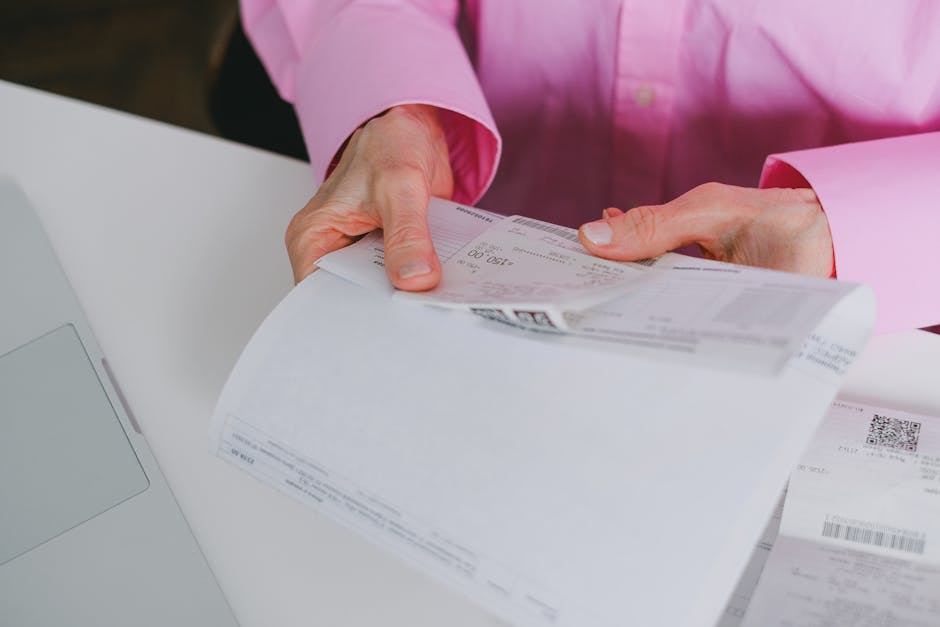
Invoice fraud occurs when a fraudulent entity attempts to deceive a company into paying for services or products that were never rendered. This type of scam can take various forms, including fake invoices, altered invoices, and duplicate payments. According to the Association of Certified Fraud Examiners, organizations lose 5% of their revenue to fraud, and invoice fraud is a significant contributor to this statistic.
Fraudsters employ various tactics to create convincing invoices, often using legitimate company logos and formats. As such, it is critical for businesses to understand the common signs of invoice fraud. These can include discrepancies in invoice amounts, unusual vendor requests, and changes in payment instructions. By being aware of these red flags, companies can better position themselves to detect fraud.
Implementing Verification Processes
One of the most effective ways to detect fraudulent invoices is by establishing robust verification processes. This involves creating a standardized procedure for reviewing invoices before payment. For instance, businesses should verify the legitimacy of the vendor by cross-referencing their details against known databases or previous transactions.
Additionally, implementing a dual approval process can significantly reduce the risk of fraud. This means that two or more individuals must approve an invoice before payment is made. Such checks and balances can help catch any discrepancies that may have otherwise gone unnoticed. Moreover, organizations can utilize software solutions that automate invoice checks and flag any transactions that deviate from the norm.
Training Employees
Another essential component in the fight against invoice fraud is employee training. Staff should be educated on the various types of scams and how to identify red flags. Regular training sessions can keep employees updated on the latest fraud tactics, ensuring they remain vigilant.
Furthermore, fostering a culture of transparency and communication within the organization can encourage employees to report suspicious activities without fear of repercussions. This proactive approach can help companies detect fraud early, potentially saving them a significant amount of money.
Utilizing Technology
With advancements in technology, businesses can leverage various tools to help detect fraudulent invoices. For instance, artificial intelligence and machine learning algorithms can analyze invoice patterns and flag anomalies that suggest potential fraud. These technologies can process large volumes of data quickly, providing insights that manual reviews may miss.
Moreover, businesses can use invoice scanning software that incorporates optical character recognition (OCR) technology to digitize invoices. This not only streamlines the invoice processing workflow but also enables easier tracking and verification of invoices. By utilizing these technological solutions, companies can enhance their ability to detect fraud effectively.
Regular Audits and Reviews
Conducting regular audits and reviews of financial transactions is vital in identifying discrepancies that may indicate fraudulent activities. These audits can be performed internally or by external professionals who specialize in fraud detection. Regular reviews help organizations stay compliant and ensure that their financial practices are sound.
Moreover, businesses should analyze their payment processes to identify any areas of vulnerability. By understanding how fraudsters operate, organizations can implement necessary changes to their payment systems. For instance, auditing can reveal if certain vendors are more prone to fraud, prompting businesses to scrutinize their invoices more closely.
In conclusion, detecting fraudulent invoices is an ongoing challenge that requires vigilance and proactive measures. By understanding the nature of invoice fraud, implementing verification processes, training employees, utilizing technology, and conducting regular audits, businesses can significantly reduce their risk of falling victim to such scams. To further enhance your capabilities, consider leveraging resources like detect fraud invoice services that specialize in fraud detection and prevention.
