
In the unpredictable world of agriculture, farmers face numerous risks that can jeopardize their livelihoods. From natural disasters to market fluctuations, these challenges necessitate robust risk management strategies. One critical tool in this arsenal is crop insurance, a mechanism designed to provide financial protection against crop losses. This article delves into the significance of crop insurance, its various types, and how it can benefit farmers in today’s volatile environment.
The Necessity of Crop Insurance
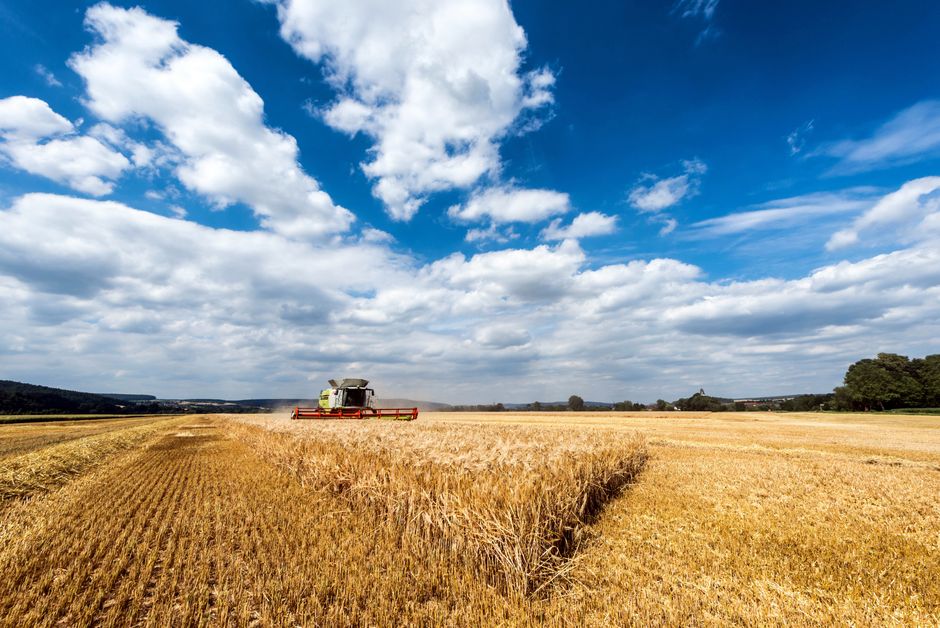
Farmers invest significant resources in planting and maintaining their crops, often relying on loans to finance their operations. As a result, any unexpected event that leads to a loss in yield can have catastrophic financial implications. Crop insurance serves as a safety net, helping farmers recover from losses due to adverse weather conditions, pests, or diseases. Statistics indicate that approximately 90% of U.S. farmers utilize some form of crop insurance, underscoring its vital role in modern agriculture.
Moreover, the increasing frequency of extreme weather events due to climate change highlights the necessity of crop insurance. For example, the U.S. experienced a record number of billion-dollar weather disasters in recent years, prompting many farmers to reassess their risk management strategies. Crop insurance not only protects farmers financially but also contributes to the stability of the agricultural sector as a whole.
Types of Crop Insurance
There are several types of crop insurance available, each catering to different needs and risks. The two primary categories are Actual Production History (APH) insurance and Revenue Protection (RP) insurance. APH insurance compensates farmers based on their historical yield data, ensuring that they receive a payout if their current yields fall below a predetermined level. On the other hand, RP insurance offers broader coverage by insuring against loss of revenue, factoring in both yield and market price fluctuations.
Additionally, there are specialty crop insurance programs designed for specific crops, such as fruits and vegetables. These programs often come with tailored coverage options to address the unique risks associated with these crops. Understanding the available types of crop insurance is crucial for farmers to select the best option for their specific circumstances.
How to Choose the Right Policy
Selecting the appropriate crop insurance policy can be a daunting task, given the myriad of options available. Farmers should start by assessing their individual risk profile, taking into account factors such as the type of crops grown, the geographical location, and historical yield data. Consulting with an insurance agent who specializes in agricultural policies can provide valuable insights and help farmers navigate their options.
Another vital consideration is understanding the policy’s terms and conditions, including coverage limits, deductibles, and premium costs. Farmers should also evaluate the financial stability of the insurance provider to ensure they can fulfill their obligations in the event of a claim. By conducting thorough research, farmers can make informed decisions that protect their investments.
The Role of Technology in Crop Insurance
In recent years, technological advancements have significantly impacted the crop insurance landscape. Innovations such as satellite imagery, remote sensing, and data analytics have improved risk assessment and loss evaluation processes. For instance, satellite technology can provide real-time data on crop health, enabling insurers to make more accurate assessments of potential losses.
Furthermore, the integration of mobile applications allows farmers to easily access policy information, submit claims, and receive updates on their coverage. This technological shift not only streamlines the insurance process but also enhances the overall efficiency of the agricultural sector. As the industry continues to evolve, embracing technology will be essential for both insurers and farmers alike.
Conclusion
Crop insurance is an indispensable tool for farmers seeking to safeguard their livelihoods against the uncertainties of agriculture. With various types of policies available, it is crucial for farmers to carefully evaluate their options and select the best coverage for their needs. As the agricultural landscape continues to evolve, driven by climate change and technological advancements, the importance of crop insurance will only grow. By investing in this protective mechanism, farmers can ensure greater financial stability and resilience in an ever-changing market. For more information on how to navigate crop insurance options, visit crop insurance resources that can guide your decision-making process.
