
The concert industry has undergone a significant transformation in recent years, largely driven by advancements in technology. Concert ticketing platforms have emerged as crucial players in this evolution, enabling fans to access live events with unprecedented ease and convenience. In this article, we will explore the various aspects of concert ticketing platforms, their benefits, and the challenges they face in a rapidly changing marketplace.
The Evolution of Ticketing Systems
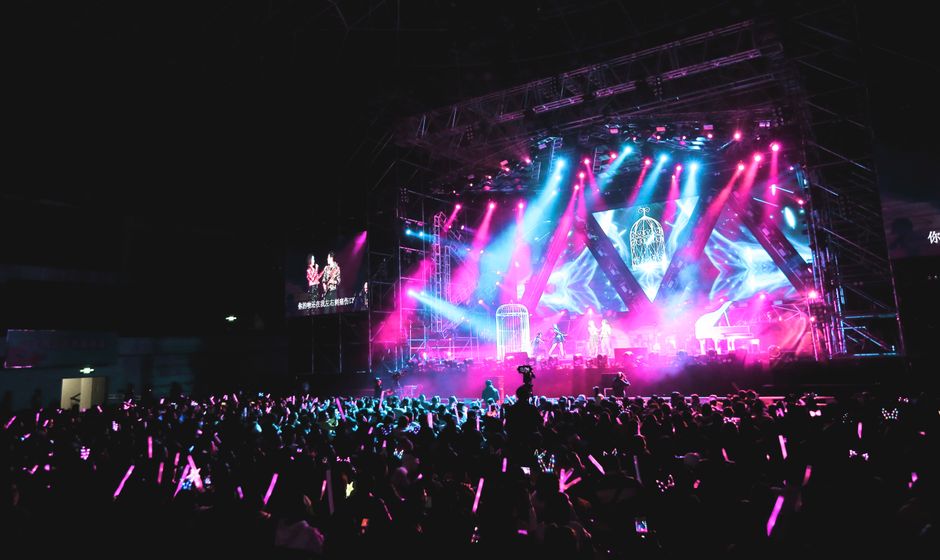
Historically, ticketing for concerts involved long lines, limited availability, and high markups from scalpers. However, the advent of the internet changed everything. The rise of online ticketing platforms allowed fans to purchase tickets from the comfort of their homes, vastly improving the overall experience. These platforms have adopted various technologies, such as mobile apps and digital wallets, to streamline the purchasing process.
Statistics indicate that online ticket sales have skyrocketed in recent years. According to a report by IBISWorld, the online ticket sales industry has grown at an annualized rate of 8.1% over the last five years. This growth reflects a broader shift in consumer behavior towards digital solutions and highlights the increasing importance of concert ticketing platforms.
Moreover, the integration of social media has further amplified this trend. Fans can now share events with friends and receive personalized recommendations, creating a more engaging experience. This evolution has not only made ticket purchasing more accessible but has also fostered a sense of community among concertgoers.
Benefits of Using Concert Ticketing Platforms
Concert ticketing platforms offer numerous benefits that enhance the overall experience for fans. One primary advantage is the improved accessibility of tickets. Users can browse a wide range of events, compare prices, and select their preferred seating options all in one place. This ease of access empowers fans to make informed decisions and ensures they don’t miss out on their favorite shows.
Additionally, many platforms provide features such as mobile ticketing, which allows fans to store tickets on their smartphones. This eliminates the need for physical tickets and reduces the risk of loss or theft. The convenience of mobile access has become particularly vital in the wake of the COVID-19 pandemic, where contactless solutions have gained prominence.
Another significant benefit is the transparency in pricing. Concert ticketing platforms often disclose all fees upfront, enabling fans to understand the total cost before finalizing their purchases. This level of transparency builds trust and encourages fans to use these platforms repeatedly.
Challenges Facing Ticketing Platforms
Despite their many advantages, concert ticketing platforms face several challenges. One of the most pressing issues is the ongoing battle against ticket scalping. Scalpers often use automated bots to purchase large quantities of tickets, leaving genuine fans with limited options. To combat this, platforms are implementing advanced security measures, such as CAPTCHA systems, to ensure that tickets are purchased by real users.
Furthermore, the rise of secondary ticket markets complicates the landscape. While some platforms allow users to resell tickets, this can lead to inflated prices that detract from the fan experience. Striking a balance between providing a marketplace for resale and maintaining fair pricing is a challenge that many concert ticketing platforms are still trying to navigate.
Finally, the rapid pace of technological change means that these platforms must continually innovate to stay relevant. As new technologies emerge, concert ticketing platforms must adapt quickly to meet the evolving demands of consumers.
The Future of Concert Ticketing Platforms
Looking ahead, the future of concert ticketing platforms appears bright. The integration of technologies like blockchain could revolutionize the ticketing process, offering enhanced security and traceability. Blockchain technology can help verify ticket authenticity, reducing the prevalence of fraud and ensuring that fans receive genuine tickets.
Additionally, artificial intelligence (AI) and machine learning are set to play a pivotal role in personalizing the ticket purchasing experience. By analyzing user data, platforms can provide tailored recommendations, making it easier for fans to discover events that match their interests.
Moreover, the continued emphasis on user experience will likely drive further innovations in mobile ticketing and event management. As concertgoers increasingly demand seamless experiences, platforms that prioritize convenience and accessibility will thrive in the competitive landscape.
Conclusion
Concert ticketing platforms have transformed the way fans access live events, making it easier and more enjoyable than ever. While they face challenges such as ticket scalping and the need for constant innovation, the benefits they provide are undeniable. As technology continues to evolve, these platforms are poised to play an even more significant role in shaping the future of live entertainment. Whether you’re a casual fan or a die-hard concertgoer, understanding the dynamics of concert ticketing platforms can enhance your overall experience. For those looking to explore options, many platforms, such as concert ticketing platforms, offer a wealth of choices and features to cater to all music lovers.
