
Kitchen remodeling is not just about aesthetics; it’s about creating a functional space that enhances your cooking and dining experience. Whether you’re looking to update your kitchen for personal enjoyment or to increase your home’s value, a well-planned renovation can make all the difference. In this comprehensive guide, we will explore the key elements of kitchen remodeling, from initial planning and budgeting to choosing the right materials and layouts.
Understanding Your Needs and Goals
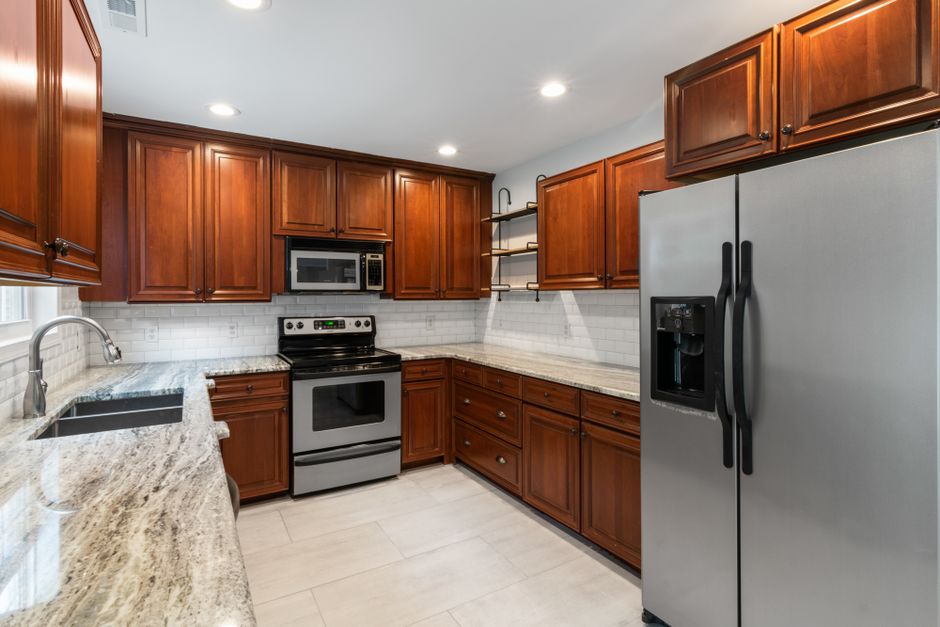
Before diving into the renovation process, it’s crucial to assess your needs and goals. Consider how you currently use your kitchen and what changes could enhance your experience. Are you an avid cook who needs more counter space? Or do you host gatherings frequently and require a layout that facilitates social interaction? Defining your priorities will guide your decisions throughout the remodeling process.
Another important aspect is to think about the future. If you plan to stay in your home for many years, consider features that will accommodate your long-term lifestyle. For instance, installing lower cabinets or wider pathways can be beneficial as you age. According to a recent survey, 70% of homeowners who remodeled their kitchens wished they had planned for their changing needs in advance.
Setting a Realistic Budget
Budgeting is one of the most critical steps in any remodeling project. The National Kitchen and Bath Association (NKBA) suggests that a kitchen remodel typically costs between 5% to 15% of your home’s value. Start by determining how much you can afford to spend and create a detailed budget that includes materials, labor, and unexpected costs.
It’s important to allocate a portion of your budget for unforeseen expenses, which can arise during any renovation. A good rule of thumb is to set aside 10-20% of your total budget for contingencies. This ensures you can handle any surprises without derailing your project.
Choosing the Right Layout
The layout of your kitchen is fundamental to its functionality. The most common kitchen layouts include the L-shape, U-shape, galley, and open-concept. Each layout has its own set of advantages and is suitable for different styles of cooking and entertaining.
For example, an open-concept design allows for a seamless flow between the kitchen and living areas, perfect for those who enjoy hosting. On the other hand, a galley kitchen maximizes efficiency in smaller spaces. When choosing a layout, consider how you will move around the space while cooking and entertaining. A well-thought-out layout enhances both efficiency and enjoyment.
Material Selection and Design Elements
Once you have your budget and layout in place, it’s time to choose materials and design elements that reflect your style while ensuring durability. Popular choices for countertops include granite, quartz, and butcher block, each offering unique benefits. Granite is known for its strength and variety of colors, while quartz provides a low-maintenance option with a consistent look.
When it comes to cabinetry, consider both aesthetics and functionality. Soft-close drawers, pull-out shelves, and custom cabinetry can significantly improve usability. Additionally, the choice of flooring is essential; hardwood, tile, and vinyl are all popular options, each with distinct advantages in terms of maintenance and appearance.
Furthermore, lighting plays a vital role in the kitchen. Layered lighting, which includes ambient, task, and accent lighting, can enhance both the functionality and mood of your kitchen. Consider installing under-cabinet lighting to illuminate workspaces, making cooking and prep work more enjoyable.
Bringing it All Together: The Renovation Process
Once you have made all your selections, it’s time to bring your vision to life. Hiring a professional contractor experienced in kitchen remodeling can alleviate the stress of managing the project. They can help coordinate timelines, manage subcontractors, and ensure that the work meets local building codes.
Communication is key during the renovation process. Regular check-ins with your contractor can help you stay on track and address any concerns that arise. According to home improvement experts, clear communication can reduce the chances of misunderstandings and ensure that your remodel aligns with your initial vision.
Finally, once your kitchen is complete, take the time to enjoy your new space. A beautifully remodeled kitchen not only enhances your home’s value but also enriches your everyday life.
For more inspiration and ideas, explore the latest trends in kitchen remodeling that can help you make the most of your renovation project.
