
When it comes to maintaining your home, few projects are as significant as a roof replacement. The roof is your home’s first line of defense against the elements, and over time, it can suffer from wear and tear. However, understanding the costs involved in replacing a roof can be daunting. In this article, we will break down the factors that influence roof replacement costs, provide tips for budgeting, and explore the potential return on investment.
Factors Influencing Roof Replacement Costs
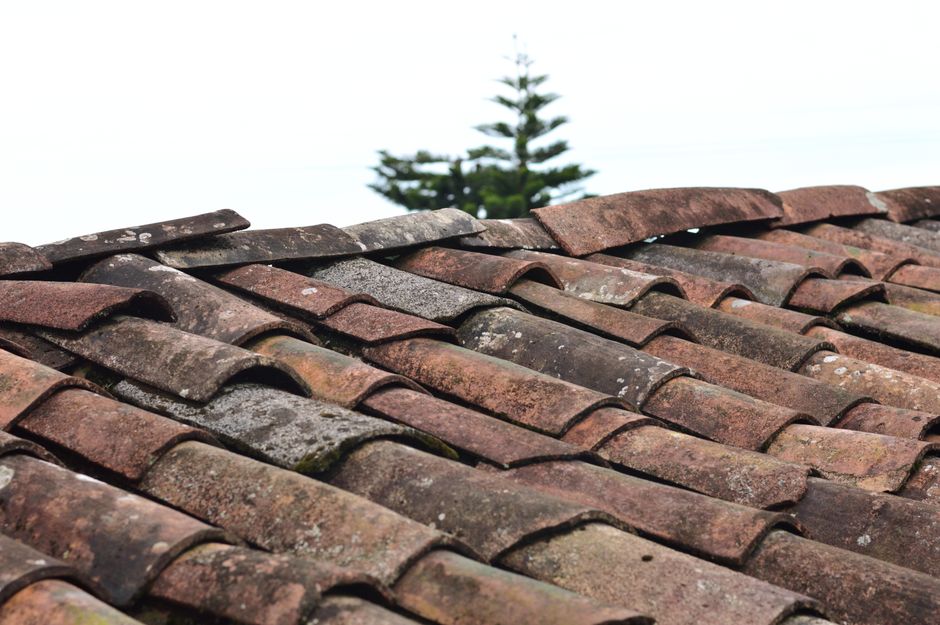
The cost of replacing a roof varies based on several key factors. First and foremost, the type of roofing material you choose will have a substantial impact on the overall cost. Asphalt shingles are typically the most affordable option, while materials like slate or metal can be significantly more expensive. Additionally, the size of your roof and its complexity also play a role in determining the total expense.
Another factor to consider is the condition of the existing roof. If your old roof is in need of significant repair, such as damage to the underlying structure, this may add to your overall costs. Furthermore, geographical location can affect pricing due to regional labor rates and material availability.
Estimating Your Budget for Roof Replacement
Estimating a budget for roof replacement can seem overwhelming, but it’s essential to approach it methodically. Start by obtaining multiple quotes from reputable roofing contractors. This not only gives you a sense of the market rate but also helps you identify any discrepancies in pricing.
When evaluating quotes, ensure that they include all potential costs, such as labor, materials, and any necessary permits. It’s also wise to set aside a contingency budget of around 10-15% to cover unforeseen expenses that may arise during the project.
The Importance of Quality Materials
Investing in high-quality roofing materials can save you money in the long run. Cheaper materials may lower your initial costs, but they often come with a shorter lifespan and increased maintenance needs. For example, while asphalt shingles can last around 20 years, metal roofing can last 50 years or more with proper care.
Additionally, high-quality materials can enhance your home’s energy efficiency, potentially leading to lower utility bills. When considering the costs of roof replacement, think beyond the initial outlay and consider the long-term benefits of investing in quality.
Return on Investment: Is It Worth the Cost?
One of the most significant considerations when planning a roof replacement is the potential return on investment (ROI). According to the National Association of Realtors, a new roof can yield an ROI of around 60-70% when it comes time to sell your home. This means that while the upfront cost may be substantial, it can significantly increase your home’s value.
Additionally, a new roof can improve your home’s curb appeal and energy efficiency, making it more attractive to potential buyers. Thus, while the roof replacement cost may seem high initially, the long-term benefits often outweigh the initial investment.
Conclusion
In conclusion, understanding the costs associated with roof replacement is vital for any homeowner. By considering the various factors that influence pricing, budgeting effectively, and investing in quality materials, you can ensure that your roof replacement project is a success. As you plan for this significant home improvement, remember that the right choices will not only protect your home but also enhance its value for years to come.
