
As the world moves toward a more sustainable future, the importance of energy storage systems (ESS) has never been more pronounced. These systems play a critical role in managing energy supply and demand, integrating renewable energy sources, and ensuring grid stability. In this article, we will explore the latest developments in energy storage technologies, their applications, and the challenges they face in the quest for a greener planet.
Understanding Energy Storage Systems
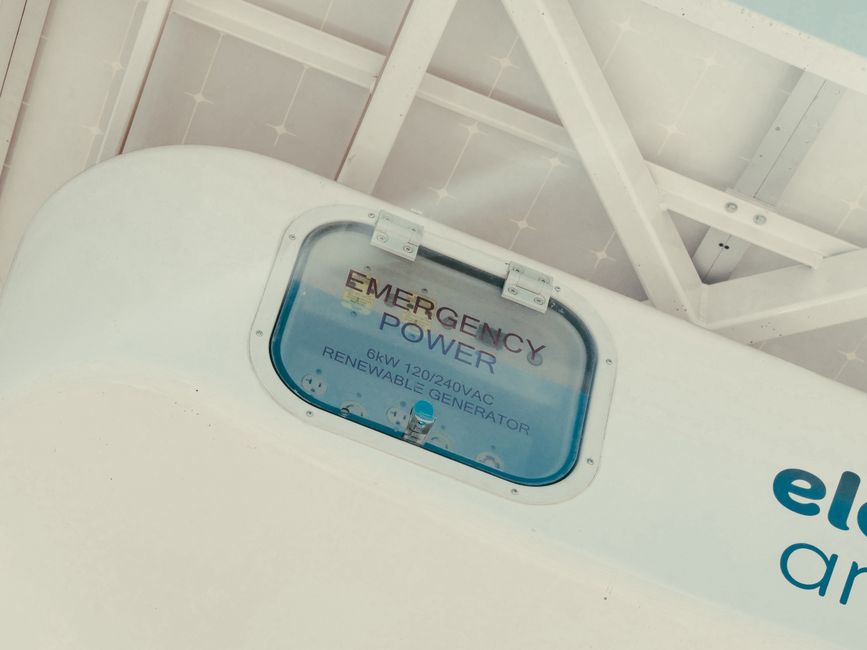
Energy storage systems are technologies that store energy for use at a later time. They can take various forms, including batteries, pumped hydroelectric storage, and thermal storage. The primary function of these systems is to balance energy supply and demand, especially in scenarios where renewable energy sources, such as solar and wind, are not producing electricity.
The most common type of energy storage is battery storage, which has gained significant traction in recent years. Lithium-ion batteries, in particular, are widely used due to their efficiency and declining costs. According to the International Energy Agency (IEA), the cost of lithium-ion batteries has fallen by nearly 90% since 2010, making them a viable option for both residential and commercial energy storage solutions.
Furthermore, energy storage systems can also include more traditional methods, such as pumped hydro storage. This method stores energy by pumping water uphill to a reservoir when energy is abundant and releasing it to generate electricity when demand is high.
Applications of Energy Storage Systems
The applications of energy storage systems are diverse and growing. One of the most significant benefits is their ability to support renewable energy integration. For instance, solar and wind energy generation can be intermittent; energy storage systems can store excess energy generated during peak production times and release it when production is low.
In addition to renewable energy integration, energy storage systems are essential for grid resilience. They provide backup power during outages and help to stabilize the grid by smoothing out fluctuations in energy supply and demand. This capability is particularly crucial as more distributed energy resources come online.
Moreover, businesses are increasingly adopting energy storage solutions for demand charge management. By using energy stored during off-peak hours, companies can reduce their peak demand and lower their electricity bills, thereby improving their overall operational efficiency.
Challenges in Energy Storage Deployment
Despite the numerous benefits, there are several challenges associated with the deployment of energy storage systems. First, the initial capital costs can be a barrier for many potential users. While the cost of battery technology continues to decline, the upfront investment for large-scale storage systems can still be significant.
Another challenge is the regulatory framework surrounding energy storage. Many regions lack clear policies that encourage the adoption of storage technologies. This can lead to uncertainty for investors and developers, hindering the growth of the market.
Furthermore, the environmental impact of certain energy storage technologies, particularly lithium-ion batteries, raises concerns. The extraction of lithium and other materials used in batteries can have detrimental effects on the environment. As a result, there is a growing need for sustainable practices in the production and recycling of these batteries.
The Future of Energy Storage Systems
The future of energy storage systems looks promising, with ongoing research and development aimed at improving efficiency, reducing costs, and enhancing sustainability. Emerging technologies such as solid-state batteries, flow batteries, and even hydrogen storage are being explored as potential solutions to current limitations.
Moreover, advancements in artificial intelligence and machine learning are expected to optimize the operation and integration of energy storage systems into the grid. These technologies can help predict energy demand patterns and manage storage systems more effectively, leading to a more resilient and efficient energy infrastructure.
As the energy landscape continues to evolve, the role of energy storage systems will be pivotal in achieving a sustainable energy future. With the right investments, policies, and innovation, we can harness the full potential of these technologies to support a clean energy transition.
Conclusion
Energy storage systems are at the forefront of the transition to renewable energy and sustainable practices. Their ability to balance supply and demand, support renewable energy integration, and enhance grid resilience makes them essential for the future of energy. By addressing the challenges of deployment and fostering innovation, we can unlock the potential of energy storage systems and pave the way for a greener, more sustainable world.
