
The electric vehicle (EV) market is rapidly evolving, with advancements in battery technology playing a crucial role in its growth. As governments worldwide push for greener transportation options, the demand for efficient and reliable EV batteries has surged. This article delves into the landscape of EV battery suppliers, examining their significance, the challenges they face, and the future trends that will shape the industry.
The Importance of EV Battery Suppliers
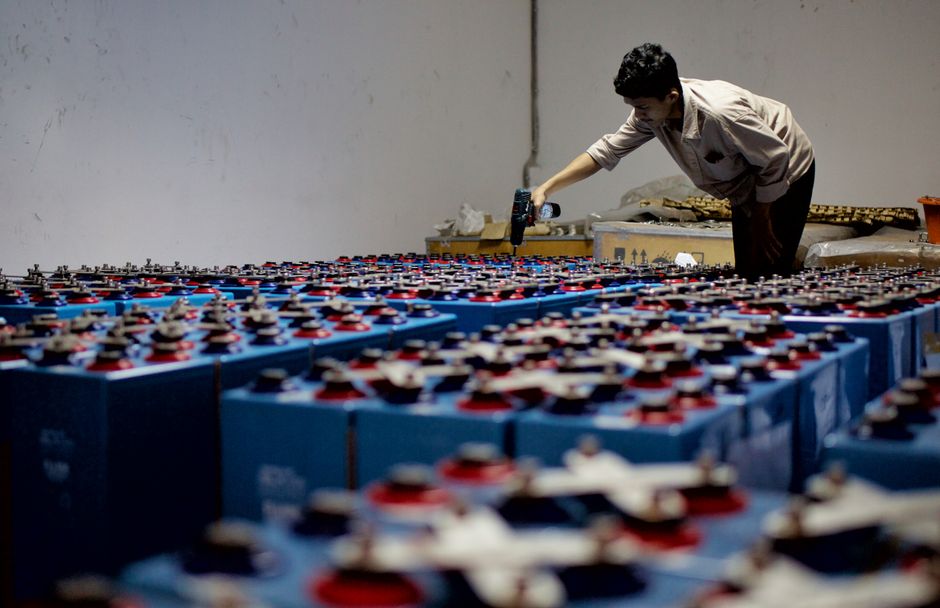
At the heart of the electric vehicle revolution are the battery suppliers, who provide the essential components that power these vehicles. The quality and performance of EV batteries directly impact the range, efficiency, and overall consumer experience. As such, leading manufacturers are continuously innovating to improve battery technology.
Suppliers like LG Chem, CATL, and Panasonic dominate the market, each bringing unique strengths to the table. For instance, CATL has made headlines for its rapid development of lithium iron phosphate (LFP) batteries, which are known for their safety and longevity. This innovation is crucial as it allows EV manufacturers to offer more affordable vehicles without compromising on performance.
Challenges Facing EV Battery Suppliers
While the demand for EV batteries is on the rise, suppliers face several challenges in meeting this demand. One significant issue is the sourcing of raw materials. Lithium, cobalt, and nickel are vital components in battery production, yet their supply chains are often fraught with geopolitical tensions and environmental concerns.
Furthermore, the production process itself is energy-intensive, leading to a substantial carbon footprint. As a result, many suppliers are now exploring sustainable practices and investing in recycling technologies to mitigate these impacts. For example, some companies are developing methods to recover valuable materials from used batteries, thereby reducing the need for new raw materials.
Technological Innovations in Battery Manufacturing
The EV battery industry is characterized by rapid technological advancements. Innovations such as solid-state batteries and advancements in battery management systems (BMS) are set to revolutionize the market. Solid-state batteries, which replace the liquid electrolyte with a solid material, promise higher energy density and improved safety.
Additionally, improvements in BMS technology help optimize battery performance, extending the life of the battery and enhancing safety features. These innovations are not just theoretical; they are being implemented by leading suppliers who are eager to stay ahead of the competition. Companies like Tesla and Samsung SDI are at the forefront of these developments, investing heavily in research and development.
Future Trends in the EV Battery Market
Looking ahead, several trends are expected to shape the EV battery market. First and foremost, the push for lower costs will continue to drive innovation. As production scales up and technology advances, the cost of batteries is projected to decrease significantly, making EVs more accessible to the average consumer.
Moreover, the integration of renewable energy sources with battery technology will play a critical role. As battery storage systems become more common, they will enable a more sustainable energy grid, allowing for the efficient use of solar and wind power. This integration will not only benefit consumers but also contribute to reducing overall carbon emissions.
Finally, partnerships between automakers and battery suppliers will become increasingly important. Strategic collaborations can lead to more efficient supply chains and shared research initiatives, fostering innovation within the industry. For instance, recent collaborations between automotive giants and battery manufacturers have already begun to yield promising results.
Conclusion
The role of EV battery suppliers is pivotal in the transition towards sustainable transportation. As the industry faces challenges and embraces innovation, the suppliers who can adapt and evolve will lead the charge in this electrifying journey. With continued investment in technology and sustainability, the future of EV batteries looks bright, paving the way for a greener and more efficient automotive landscape. As consumers and manufacturers alike seek reliable and efficient solutions, understanding the landscape of EV battery suppliers will be essential.
