
As the global population continues to rise, the demand for sustainable and efficient farming practices has never been greater. Vertical farming technology emerges as a groundbreaking solution that not only maximizes space but also minimizes the environmental impact of traditional agriculture. This article delves into the intricacies of vertical farming, exploring its advantages, challenges, and future prospects.
Understanding Vertical Farming Technology
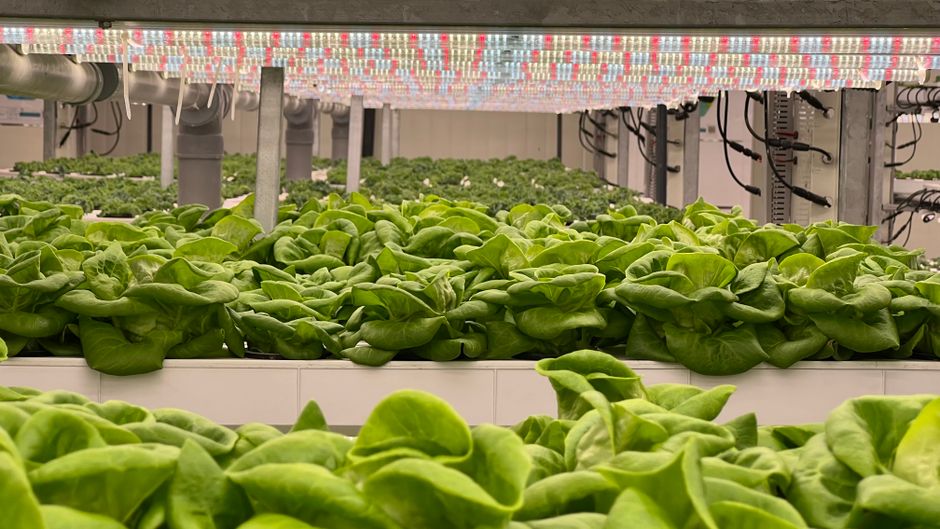
Vertical farming refers to the practice of growing crops in stacked layers, often incorporating controlled-environment agriculture (CEA) technology. This innovative approach allows for year-round production, irrespective of external weather conditions. By utilizing hydroponics, aeroponics, and sometimes aquaponics, vertical farms can significantly increase yield per square foot compared to conventional farms.
The technology behind vertical farming has evolved rapidly over the past decade. LED lighting systems, climate control mechanisms, and advanced data analytics are now integral components of these farms. For instance, the use of LEDs not only reduces energy consumption but also provides optimal light spectrums for plant growth, enhancing photosynthesis efficiency.
According to a report by the Food and Agriculture Organization (FAO), vertical farms can produce up to 10 times more crops per square meter than traditional farming methods. This dramatic increase in productivity is crucial as urban areas expand and arable land diminishes.
Benefits of Vertical Farming
One of the most significant advantages of vertical farming is its ability to conserve water. Traditional agriculture consumes approximately 70% of the world’s freshwater supply. In contrast, vertical farms utilize a closed-loop water system, recycling water and using up to 90% less than conventional farming practices.
Moreover, vertical farms contribute to reducing carbon emissions. By situating farms within urban areas, the need for transportation decreases, leading to lower greenhouse gas emissions. A study conducted by the University of California found that urban vertical farms could cut food miles by up to 80% compared to food transported from rural farms.
Additionally, vertical farming enhances food security. With the ability to produce crops regardless of seasonal changes or climatic conditions, cities can ensure a steady supply of fresh produce. This reliability is particularly vital in times of crisis, such as during pandemics or natural disasters.
Challenges Facing Vertical Farming
Despite its numerous benefits, vertical farming technology faces several challenges. One of the primary hurdles is the high initial investment required to set up these farms. The costs associated with advanced equipment, technology, and infrastructure can be daunting.
Another significant challenge is the energy consumption involved in maintaining optimal growing conditions. While LED lighting has made strides in energy efficiency, the overall energy demand for vertical farms remains a concern. Finding sustainable energy sources to power these facilities is crucial for their long-term viability.
Furthermore, the reliance on technology means that vertical farms are vulnerable to technical failures. A malfunction in the climate control or watering systems can lead to rapid crop loss, posing a risk that traditional farms may not face to the same extent.
Future Prospects of Vertical Farming
The future of vertical farming technology looks promising as innovations continue to emerge. Companies are increasingly focusing on integrating artificial intelligence (AI) and machine learning to optimize growing conditions and improve operational efficiencies. This integration can lead to predictive analytics that help farmers make data-driven decisions, enhancing productivity and reducing waste.
Moreover, as urban populations grow, the demand for local food sources will likely increase. Vertical farms can play a pivotal role in meeting this demand, transforming urban landscapes into green spaces while providing fresh produce.
Investments in vertical farming are also on the rise. Venture capitalists and governments are recognizing the potential of this technology to revolutionize food production. According to a report by MarketsandMarkets, the vertical farming market is projected to grow to $12.77 billion by 2026, highlighting its importance in the future of agriculture.
Conclusion
Vertical farming technology represents a significant shift in how we approach agriculture. By maximizing space, conserving resources, and providing fresh produce year-round, it addresses many challenges posed by traditional farming methods. While there are hurdles to overcome, the potential benefits are undeniable.
As we move towards a more sustainable future, embracing innovations like vertical farming will be essential. The ongoing research and development in this field promise to reshape our food systems, making them more resilient and efficient. For more information about the latest advancements in vertical farming, visit vertical farming technology.
