
Perfume is much more than just a scent; it is an intricate blend of art and science that has captivated humanity for centuries. From the ancient Egyptians who used fragrances in their rituals to modern perfumers crafting bespoke scents, the world of perfume is rich and multifaceted. This article will explore the history, composition, and cultural significance of perfumes, providing insights into how they can enhance our daily lives.
The History of Perfume
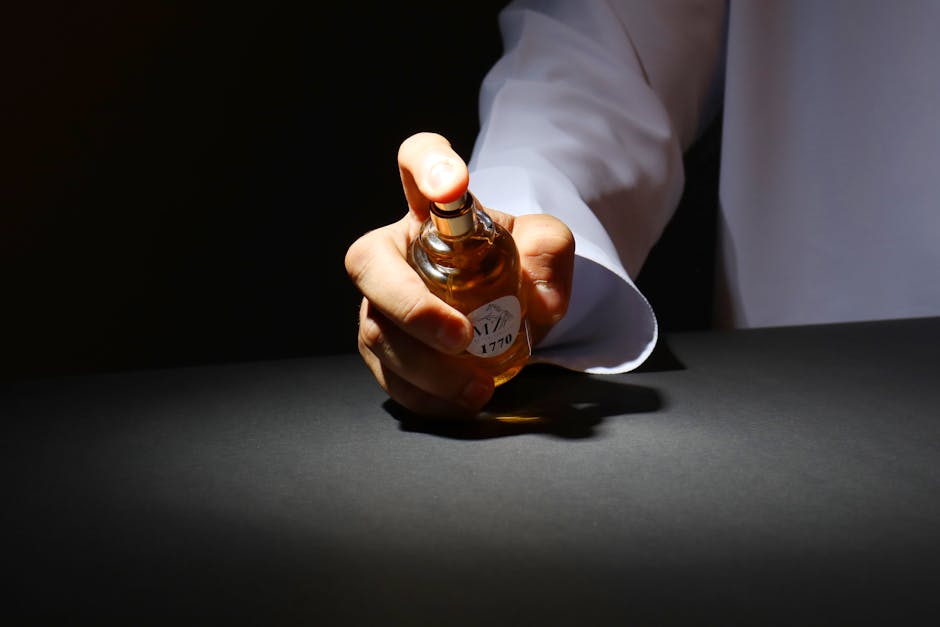
The use of perfume dates back thousands of years, with evidence of its use found in ancient Egyptian tombs. Egyptians used fragrances not only for personal adornment but also in religious ceremonies. The word “perfume” itself originates from the Latin “per fumum,” meaning “through smoke,” referring to the practice of burning incense.
In the Middle Ages, the use of perfume spread throughout Europe, particularly in France and Italy. The rise of the perfume industry in Grasse, France, established the region as the perfume capital of the world. Today, Grasse is renowned for its production of high-quality fragrance materials, including jasmine and rose. The rich history of perfume reflects its evolving role in society, from a luxury item to a daily essential.
The Science Behind Fragrance
Understanding the chemistry of perfume is essential for both perfumers and consumers. A typical fragrance consists of three layers: top notes, middle notes, and base notes. Top notes are the initial scents that are perceived upon application, often citrusy or floral. Middle notes, or heart notes, emerge once the top notes fade and form the core of the fragrance. Finally, base notes provide depth and longevity, often consisting of woody or musky scents.
The composition of a perfume can include natural ingredients such as essential oils from flowers, fruits, and spices, as well as synthetic compounds that mimic these scents. The balance of these ingredients determines the overall character of the fragrance. For example, a scent that incorporates elements of Maison Francis Kurkdjian (MFK) may have a complex blend of floral and woody notes, creating a unique olfactory experience.
Cultural Significance of Perfume
Perfume holds a significant place in many cultures around the world. In some cultures, certain scents are believed to have spiritual or healing properties. For instance, in aromatherapy, essential oils are used to promote physical and emotional well-being. Additionally, perfume can evoke memories and emotions, making it a powerful tool for personal expression.
In contemporary society, fragrance is often associated with luxury and status. High-end brands release limited edition perfumes, creating a sense of exclusivity. Furthermore, the rise of niche perfume houses has led to an increased appreciation for artisanal scents, allowing consumers to explore fragrances that resonate with their personal identity.
Choosing the Right Perfume
Selecting the right perfume can be a daunting task, given the vast array of options available. It is essential to consider personal preferences, lifestyle, and occasions when choosing a fragrance. A light, floral scent may be suitable for daytime wear, while a deeper, more intense fragrance may be ideal for evening events.
Testing perfumes on the skin rather than on paper strips is recommended, as body chemistry can significantly alter how a scent develops. It is advisable to apply a small amount and allow it to settle for a few hours to fully appreciate its evolution. Additionally, understanding the different fragrance families – such as floral, oriental, woody, and fresh – can help narrow down choices and find a scent that aligns with individual tastes.
The Future of Perfume
As we look to the future, the perfume industry is embracing sustainability and innovation. Many brands are focusing on eco-friendly practices, sourcing natural ingredients responsibly, and reducing waste. Furthermore, advancements in technology are leading to the development of personalized fragrances, allowing consumers to create scents tailored to their preferences.
The growing interest in clean beauty and wellness also influences the perfume market, with an emphasis on transparency in ingredient sourcing. As consumers become more conscious of their choices, the demand for ethically produced fragrances is expected to rise, shaping the future landscape of the perfume industry.
Conclusion
Perfume is a captivating blend of art and science that transcends time and culture. Its rich history and intricate composition offer a glimpse into the profound impact scent can have on our lives. Whether used for self-expression, memory evocation, or simply enjoyment, fragrance remains an essential aspect of human experience. As we navigate the evolving world of perfume, understanding its nuances will allow us to appreciate the artistry and significance behind each bottle.
