
Cardiopulmonary Resuscitation (CPR) is a critical skill that can save lives in emergency situations. Every year, thousands of individuals suffer from cardiac arrest, and immediate CPR can significantly increase the chances of survival. This article delves into the fundamentals of CPR, its importance, techniques, and how to effectively perform it in various scenarios.
What is CPR?
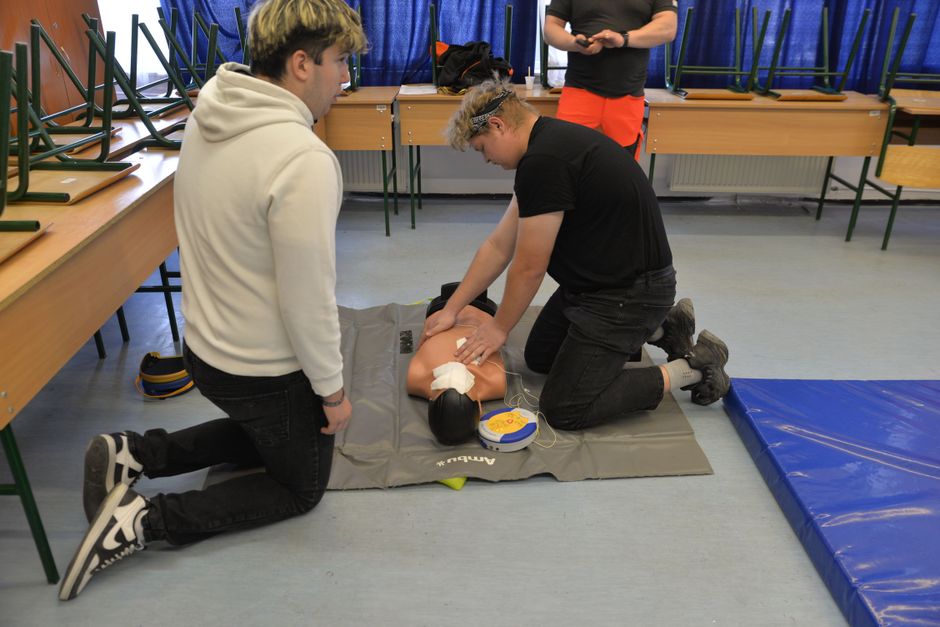
CPR is an emergency procedure performed when the heart stops beating, preventing blood flow to vital organs. It combines chest compressions and artificial ventilation to maintain circulatory flow and oxygenation until professional medical help arrives. Knowing how to perform CPR can mean the difference between life and death.
The technique involves rhythmically pressing down on the chest at a rate of 100 to 120 compressions per minute. The depth of compressions should be about 2 to 2.4 inches for adults, with a proper ratio of compressions to rescue breaths, typically 30:2. Understanding these basics is essential for anyone, as cardiac emergencies can happen at any time.
Statistics and Impact of CPR Training
Statistics reveal that only about 10% of people who experience cardiac arrest outside of a hospital survive. However, when bystanders initiate CPR, survival rates can increase significantly. According to the American Heart Association, immediate CPR can double or even triple a victim’s chances of survival.
Moreover, CPR training is crucial. Studies show that people who have undergone CPR training are more likely to act in an emergency situation. This highlights the importance of widespread CPR education in communities, workplaces, and schools. For those in Stockholm looking for comprehensive training, HLR kurs Stockholm offers essential courses for both laypersons and healthcare professionals.
How to Perform CPR
Performing CPR involves a series of steps that can be remembered easily. First, ensure the scene is safe before approaching the victim. Check for responsiveness by shaking the person and shouting. If unresponsive, call for emergency help immediately.
Next, place the heel of one hand on the center of the chest, interlock the fingers of the other hand on top, and begin compressions. Allow the chest to fully recoil between compressions. After every 30 compressions, deliver two rescue breaths if you are trained in doing so. Continue this cycle until emergency responders arrive or the person shows signs of life.
Special Considerations for CPR
It is important to note that CPR can vary based on the age and condition of the victim. For infants and children, the technique is modified. For infants, use two fingers for compressions and provide gentle puffs of air for breaths. In children, the chest compressions are also shallower, and the compression-to-breath ratio may be adjusted to 15:2.
Additionally, individuals with certain medical conditions or injuries may require tailored approaches during CPR. Understanding these nuances is vital for effective resuscitation efforts. Educating the community about these variations can also increase the likelihood of survival in diverse situations.
Conclusion
CPR is a vital skill that everyone should learn. The ability to perform CPR can save lives and increase survival rates in critical situations. With appropriate training and practice, anyone can become a lifesaver. Communities must prioritize CPR education and make training accessible to all. The more people understand and can perform CPR, the brighter the chances of survival for those who suffer cardiac arrest.
