
The construction industry is a cornerstone of modern society, shaping the environments in which we live and work. With the rapid advancement of technology and shifts in societal needs, the industry has faced numerous transformations over the decades. Understanding these changes is essential for stakeholders aiming to thrive in this dynamic sector.
Technological Advancements in Construction
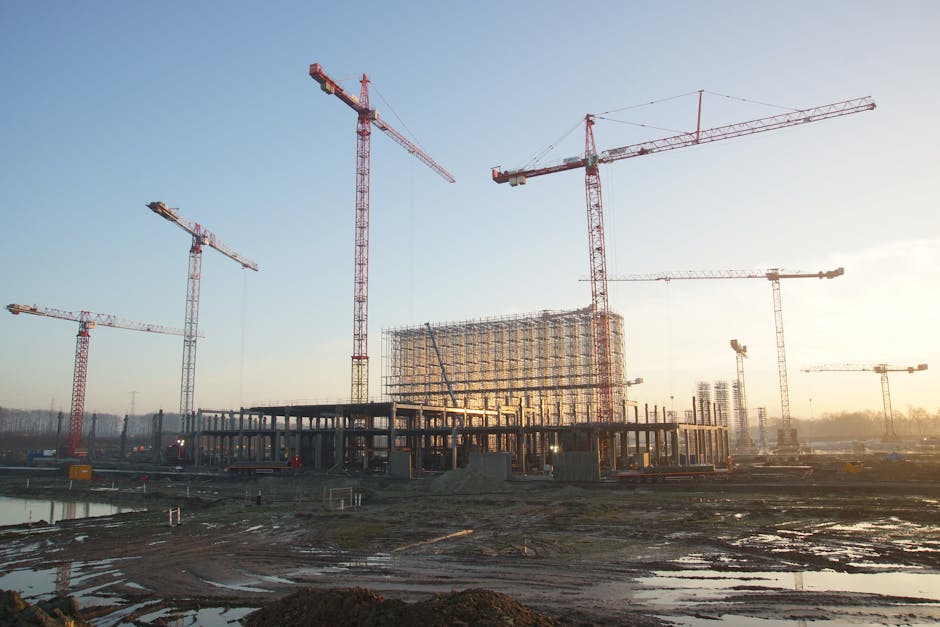
In recent years, technology has dramatically altered how construction projects are planned, executed, and managed. Innovations such as Building Information Modeling (BIM), drones, and 3D printing have revolutionized traditional methods. For instance, BIM allows for detailed digital representations of physical and functional characteristics of a project, facilitating better collaboration among architects, engineers, and contractors.
Furthermore, the use of drones has enhanced site surveying and monitoring processes. They provide real-time data, improving accuracy and reducing the time required for inspections. According to a study by the Federal Aviation Administration, drone adoption in construction can save up to 75% in operational costs.
Moreover, 3D printing is beginning to change the landscape of construction by enabling the rapid prototyping of building components. This technology can minimize waste and lower costs, presenting a more sustainable approach to construction.
Challenges Facing the Construction Industry
Despite the advancements, the construction industry faces several challenges that must be addressed. One significant issue is the labor shortage. As older workers retire, the industry struggles to attract younger talent. The Bureau of Labor Statistics projects that construction employment will grow by 11% from 2018 to 2028, but without a skilled workforce, this potential growth may be hindered.
In addition, safety remains a critical concern. The Occupational Safety and Health Administration (OSHA) reports that construction is one of the most dangerous industries, accounting for a significant number of workplace fatalities each year. Implementing better training programs and utilizing technology to enhance safety protocols are essential steps in mitigating these risks.
Environmental Sustainability in Construction
As awareness of climate change grows, the construction industry is under increasing pressure to adopt sustainable practices. Green building initiatives focus on reducing the ecological footprint of construction projects. This includes using sustainable materials, improving energy efficiency, and implementing waste reduction strategies.
For example, LEED (Leadership in Energy and Environmental Design) certification has become a benchmark for sustainability in building design and construction. Projects that achieve LEED certification demonstrate a commitment to environmentally responsible practices, which can lead to long-term savings and increased property value.
Additionally, many companies are exploring innovative materials such as recycled steel and low-impact concrete alternatives to minimize their environmental impact. These developments not only contribute to sustainability but also appeal to environmentally conscious consumers.
The Role of Collaboration and Networking
Effective collaboration is crucial in navigating the complexities of construction projects. The industry often involves multiple stakeholders, including clients, contractors, subcontractors, and suppliers. Strong communication and a shared vision are vital for project success.
Networking plays a significant role in fostering these collaborations. Engaging with a robust construction network charlotte nc can provide valuable resources and connections that enhance project efficiency and innovation. By sharing knowledge and best practices, professionals can address challenges more effectively and drive the industry forward.
The Future of the Construction Industry
Looking ahead, the construction industry will likely continue to evolve rapidly. The integration of artificial intelligence and machine learning is expected to further streamline processes, from project management to predictive maintenance. These technologies can help anticipate issues before they arise, saving time and money.
Moreover, the trend toward modular construction is gaining momentum. This approach involves prefabricating building components off-site, which can significantly reduce construction time and costs while enhancing safety and quality control.
As the industry adapts to meet the demands of a changing world, it is essential for stakeholders to remain agile and open to innovation. Embracing new technologies and sustainable practices will not only enhance competitiveness but also contribute to a brighter future for the construction industry.
Conclusion
The construction industry stands at a crossroads, faced with both challenges and opportunities. By leveraging technological advancements, promoting sustainability, and fostering collaboration, the industry can overcome obstacles and build a resilient future. As we move forward, embracing change and innovation will be key to ensuring continued growth and success in this vital sector.
