
Bedbugs are notorious pests that can invade homes, hotels, and other establishments, causing significant discomfort and distress to those affected. Their resilient nature makes them difficult to eliminate, prompting many individuals to seek professional assistance. In this article, we will explore the various methods of bedbug extermination, as well as preventive measures to ensure that these unwanted guests do not return.
Understanding Bedbugs
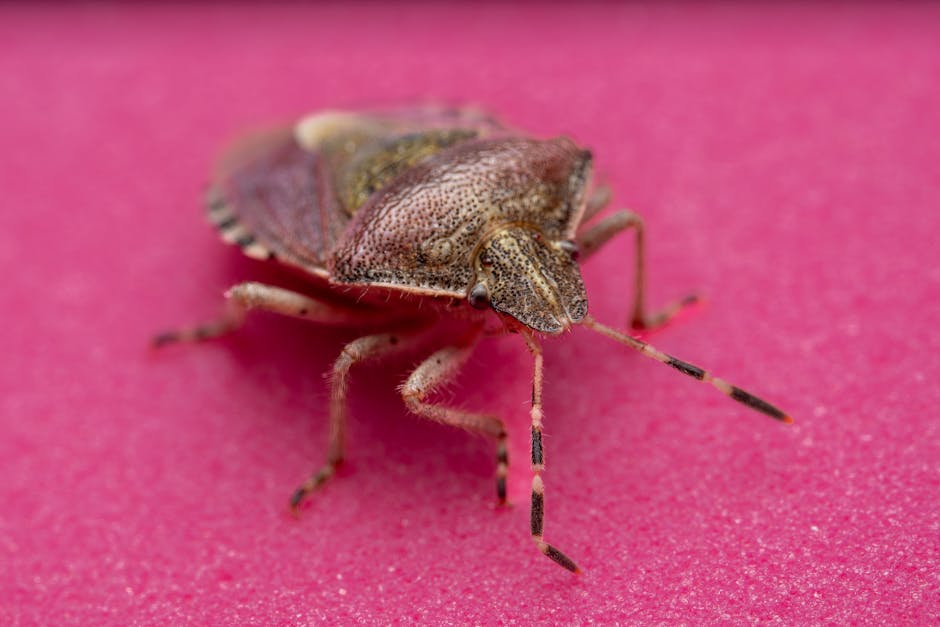
Bedbugs are small, reddish-brown insects that feed on the blood of humans and animals. They are primarily nocturnal, making them elusive and hard to spot during the day. An adult bedbug can measure up to 5-7 mm in length, resembling an apple seed. Their ability to reproduce quickly—females can lay up to 500 eggs in a lifetime—exacerbates infestations.
Recognizing the signs of a bedbug infestation is crucial for timely intervention. Common indicators include bite marks on the skin, small blood stains on sheets, and dark spots of excrement on mattresses and walls. Understanding these signs can help individuals take immediate action before the infestation spreads.
DIY Bedbug Extermination Methods
For minor infestations, some homeowners may attempt DIY methods to control bedbugs. These methods often include vacuuming, steam cleaning, and using essential oils. Vacuuming can help remove bedbugs and their eggs from carpets, furniture, and bedding. However, it is essential to dispose of the vacuum bag immediately after use to prevent re-infestation.
Steam cleaning is another effective method, as high temperatures can kill bedbugs at all life stages. Targeting infested areas such as mattresses, bed frames, and seams is key to achieving successful results. Moreover, certain essential oils, such as tea tree oil and lavender, have natural insecticidal properties that can deter bedbugs. However, these methods may not be sufficient for severe infestations.
Professional Bedbug Extermination Services
When facing a significant bedbug infestation, enlisting the help of professional exterminators is often the most effective solution. Professionals utilize a combination of chemical treatments, heat treatments, and other advanced methods to ensure complete eradication. A common approach is the use of insecticides that target specific life stages of bedbugs, effectively disrupting their reproductive cycle.
Heat treatment is another popular method employed by exterminators. This technique involves raising the temperature of the infested area to a level lethal to bedbugs. By heating the space to approximately 120°F (49°C) for a few hours, professionals can eliminate both adult bugs and eggs. This method is particularly effective as it penetrates hidden areas where bedbugs typically reside.
After the initial extermination process, follow-up visits are often necessary to monitor and ensure that the problem has been fully resolved. During these visits, exterminators may recommend ongoing preventive measures to avoid future infestations.
Preventing Bedbug Infestations
Prevention is key in managing bedbug infestations. Individuals can take various steps to minimize the risk of encountering these pests. Firstly, it is vital to inspect any second-hand furniture or clothing before bringing them into the home. Bedbugs are known to hitchhike on items, making thorough inspections essential.
In addition, maintaining cleanliness in living spaces can deter bedbugs. Regularly washing bedding, vacuuming floors, and decluttering can help reduce potential hiding spots. It is also advisable to use protective mattress encasements that can seal off bedbugs and their eggs from infesting mattresses.
When traveling, it is important to check hotel rooms for signs of bedbugs. Keeping luggage off the floor and inspecting the bed and furniture can prevent bringing these pests home. Should any signs be found, it is best to request a different room or find alternative accommodations.
Conclusion
Bedbug extermination requires a comprehensive understanding of the pest and its behavior. Whether opting for DIY methods or professional services, timely intervention is crucial to prevent a small issue from becoming a major problem. By recognizing the signs of infestation, employing effective extermination techniques, and implementing preventive measures, individuals can reclaim their spaces and enjoy a bedbug-free environment. For those seeking professional help, consider exploring bed bug treatment options available in your area to ensure a thorough and efficient resolution of bedbug issues.
