
The world of children’s toys has undergone a remarkable transformation over the past few decades. As technology advances and consumer preferences shift, the role of children toy manufacturers has also evolved. From traditional wooden toys to high-tech interactive gadgets, the landscape of toys is broader and more diverse than ever. In this article, we will explore the key developments in the toy manufacturing industry, the importance of safety standards, and how manufacturers are responding to changing consumer demands.
The Historical Perspective of Toy Manufacturing
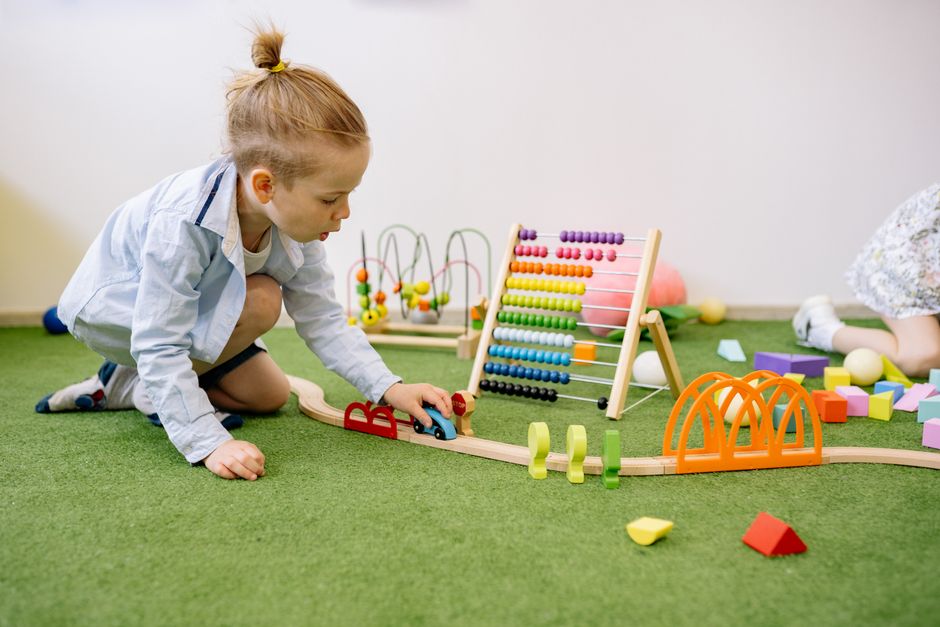
Toy manufacturing has a rich history that dates back centuries. Initially, toys were simple, handmade items crafted from materials like wood and cloth. However, the industrial revolution marked a significant turning point. Factories began mass-producing toys, making them more accessible to children across different socio-economic backgrounds. The introduction of plastic in the mid-20th century further revolutionized the industry, allowing for a greater variety of designs and functionalities.
Today, children toy manufacturers are not just focused on production; they are also innovators. For instance, companies like LEGO have not only created building toys but have expanded into movies and video games, creating an entire ecosystem around their products. This diversification showcases how manufacturers are adapting to the needs of modern consumers.
The Importance of Safety Standards
As the demand for toys increases, so does the importance of safety. Regulatory bodies around the world have established strict guidelines to ensure that toys are safe for children. In the United States, the Consumer Product Safety Commission (CPSC) oversees these regulations. Manufacturers must comply with various standards that cover everything from materials used to the design of the toys.
For example, toys should not contain harmful chemicals such as phthalates or lead. The implementation of these safety measures is crucial, as statistics show that millions of toy-related injuries occur each year. In response, many children toy manufacturers have invested in rigorous testing processes to ensure compliance with safety standards. This commitment not only protects children but also builds trust with parents.
Adapting to Consumer Preferences
The modern consumer is more informed and selective than ever before. Parents are now looking for toys that not only entertain but also educate. This shift in preference has led manufacturers to develop toys that promote STEM (Science, Technology, Engineering, and Mathematics) learning. Educational toys are becoming increasingly popular, with many parents seeking products that enhance their children’s critical thinking and problem-solving skills.
Moreover, sustainability has become a significant concern. Many children toy manufacturers are now focusing on eco-friendly materials and production processes. For instance, companies are exploring the use of recycled plastics and natural materials to create their products. This move towards sustainability not only appeals to environmentally conscious consumers but also aligns with broader global efforts to reduce waste.
The Role of Technology in Toy Manufacturing
Technology has dramatically changed the way toys are designed and produced. The rise of smartphones and tablets has led to the development of interactive and digital toys that engage children in new ways. Manufacturers are increasingly incorporating technology into their products, from simple sound effects to sophisticated augmented reality experiences.
For example, toys that connect to apps can offer personalized experiences, allowing children to learn and play in ways that were previously unimaginable. This integration of technology not only enhances playtime but also prepares children for a tech-driven future. As a result, children toy manufacturers must continuously innovate to keep up with technological advancements and consumer expectations.
The Future of Toy Manufacturing
Looking ahead, the future of children toy manufacturing appears bright yet challenging. As competition grows, companies must find ways to differentiate themselves. This could involve harnessing artificial intelligence to create smarter toys or developing new materials that are both safe and sustainable.
In addition, the rise of digital platforms presents both opportunities and challenges. Manufacturers need to navigate the complexities of online sales, marketing, and distribution while ensuring their products remain relevant in a rapidly changing market. Collaboration with educational institutions and other industries could also pave the way for innovative toy designs that cater to future generations.
As the industry continues to evolve, companies like children toy manufacturer will play a crucial role in shaping the future of play. By focusing on safety, sustainability, and innovation, manufacturers can create toys that not only entertain but also enrich children’s lives.
Conclusion
In summary, children toy manufacturers are at the forefront of an ever-evolving industry. By understanding historical trends, prioritizing safety, adapting to consumer preferences, leveraging technology, and anticipating future challenges, these manufacturers can continue to thrive. The toys of today are not merely objects of play; they are tools for learning and development, and their impact on children’s lives is profound. As we look to the future, the commitment of manufacturers to innovation and safety will undoubtedly shape the next generation of toys.
