
In an age where digital experiences are increasingly replacing physical ones, virtual tour photography has emerged as a revolutionary tool for showcasing spaces like never before. This innovative method allows viewers to immerse themselves in environments from the comfort of their homes, making it a valuable asset for businesses, real estate, tourism, and more. In this article, we will explore the intricacies of virtual tour photography, its applications, and how it can significantly enhance engagement and sales.
What is Virtual Tour Photography?
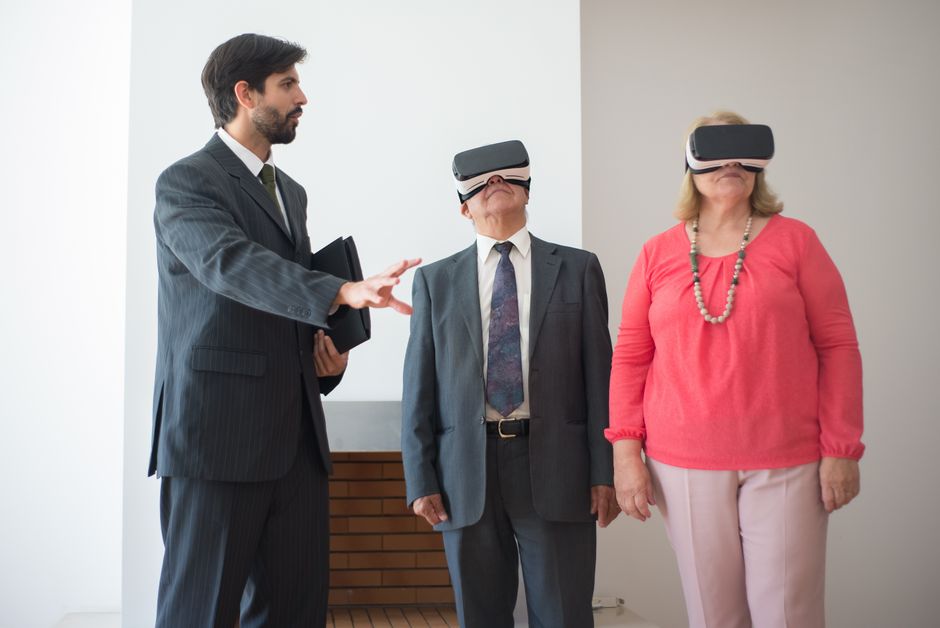
Virtual tour photography is a technique that combines high-resolution images, 360-degree panoramas, and interactive elements to create a realistic representation of a physical space. Unlike traditional photography, which captures static images, virtual tours allow users to navigate through environments, providing a sense of presence and exploration.
One of the defining features of virtual tours is their interactivity. Users can click and drag to look around a space, zoom in on details, and sometimes even access additional information through clickable hotspots. This immersive experience has made virtual tour photography a popular choice for various industries, including real estate, hospitality, and education.
The Benefits of Virtual Tour Photography
Virtual tour photography offers numerous advantages that can significantly impact marketing strategies. Firstly, it enhances customer engagement. Research shows that listings with virtual tours receive 87% more views than those without. This increased interaction can lead to higher conversion rates, as potential customers are more likely to make a decision after experiencing a virtual tour.
Moreover, virtual tours provide a comprehensive view of a space that static images cannot achieve. In real estate, for instance, potential buyers can visualize the flow of a property, assess room sizes, and appreciate the overall ambiance without needing to visit in person. This feature is particularly beneficial in today’s fast-paced world, where convenience is paramount.
How to Create a Virtual Tour
Creating a virtual tour requires a combination of high-quality equipment and software. The process typically starts with capturing panoramic images using a specialized 360-degree camera. Some popular models include the Ricoh Theta Z1 and the Insta360 One X2, both known for their exceptional image quality.
After capturing the images, the next step involves stitching them together using software like Adobe Photoshop or specialized virtual tour software such as Matterport or Kuula. These platforms enable you to create interactive elements, add text annotations, and even integrate videos, enhancing the viewer’s experience.
Once the virtual tour is complete, it can be easily embedded on websites and shared across social media platforms, vastly increasing its reach. This accessibility is a key factor in its effectiveness as a marketing tool.
Real-World Applications of Virtual Tour Photography
The applications of virtual tour photography are vast and varied. In real estate, agents use virtual tours to showcase homes, allowing potential buyers to explore properties remotely. This not only saves time for agents but also caters to the preferences of tech-savvy buyers who appreciate the convenience of virtual viewings.
In the hospitality industry, hotels and resorts utilize virtual tours to provide potential guests with a realistic preview of their accommodations. By offering an immersive experience, hotels can attract clients who might otherwise overlook them based on traditional photographs alone.
Education is another sector benefiting from virtual tours. Schools and universities can create virtual campus tours to attract prospective students from around the globe. This initiative not only promotes the institution but also provides valuable information about facilities and resources available to students.
Future Trends in Virtual Tour Photography
The future of virtual tour photography looks promising, with advancements in technology paving the way for even more immersive experiences. The integration of virtual reality (VR) and augmented reality (AR) is set to revolutionize how virtual tours are created and experienced. With VR headsets, users can feel as if they are physically present in a space, enhancing the overall experience.
Additionally, as artificial intelligence (AI) continues to develop, we can expect to see more automated solutions for creating virtual tours. AI can help streamline the stitching process, enhance image quality, and even provide intelligent recommendations based on user preferences.
As more businesses recognize the power of virtual tours in driving engagement and sales, we are likely to see an increase in demand for high-quality virtual tour photography services. Companies that adapt to this trend will position themselves ahead of the competition.
Conclusion
Virtual tour photography is not just a passing trend; it is a transformative approach that is reshaping how we experience spaces. By creating immersive, interactive environments, businesses can engage customers in innovative ways, ultimately leading to increased interest and sales. As technology continues to evolve, the possibilities for virtual tour photography are limitless, making it an essential tool for any forward-thinking business. To explore more about virtual tour photography and how it can benefit your business, consider investing in this powerful medium today.
