
In an era where environmental concerns are at the forefront of global discussions, plastic recycling companies play a pivotal role in fostering sustainability. With the increasing amount of plastic waste generated worldwide, these companies have become essential in managing and repurposing materials that would otherwise contribute to pollution and landfill overflow. Understanding the functions and importance of plastic recycling companies is vital for consumers and businesses alike, as we strive towards a more eco-friendly future.
Understanding Plastic Waste: A Growing Concern
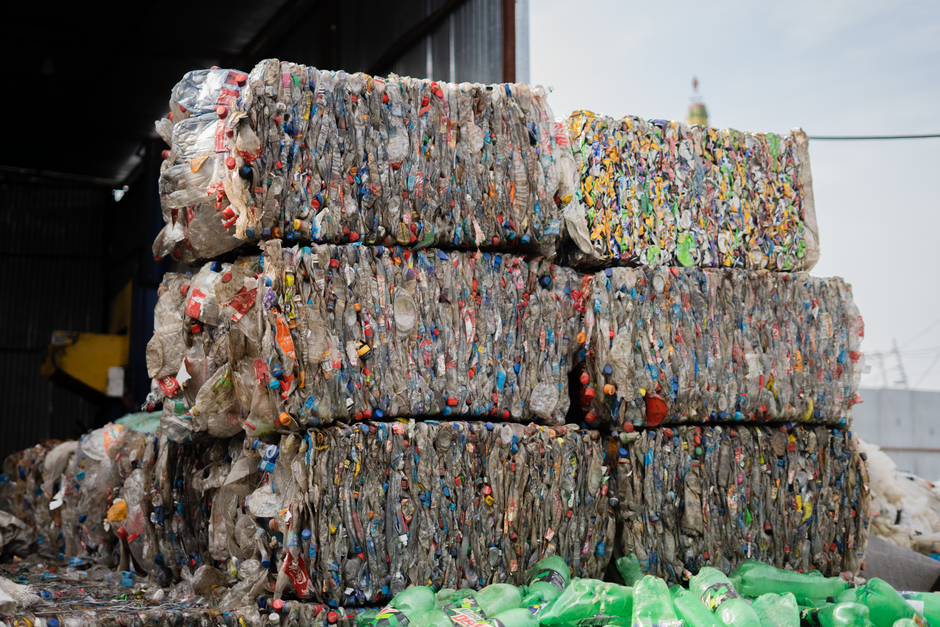
Plastic waste has become one of the most pressing environmental issues of our time. According to the United Nations, an estimated 300 million tons of plastic are produced annually, with a significant portion ending up in oceans and landfills. This not only harms wildlife but also disrupts ecosystems and poses health risks to humans. Plastic recycling companies are essential in combating this issue by collecting, sorting, and processing plastic waste into reusable materials.
For instance, a large portion of plastic waste comes from single-use items such as bags, bottles, and packaging. When recycling is properly implemented, these materials can be transformed into new products, reducing the need for virgin plastic production. This process not only conserves natural resources but also minimizes greenhouse gas emissions associated with plastic manufacturing.
The Recycling Process: From Waste to Resource
The journey of recycling plastic begins with collection. Plastic recycling companies often partner with municipalities and businesses to gather waste. Once collected, the plastic is sorted by type and color, as different plastics have different recycling processes. For example, polyethylene terephthalate (PET) is commonly used in beverage bottles, while high-density polyethylene (HDPE) is often found in containers and bags.
After sorting, the plastic is cleaned and shredded into small flakes, which are then melted and formed into pellets. These pellets can be sold to manufacturers who create new products, such as clothing, furniture, and even new containers. An example of this is the production of polyester fabrics from recycled PET, which has gained popularity in the fashion industry.
Economic Benefits of Plastic Recycling Companies
Plastic recycling companies not only contribute to environmental sustainability but also offer significant economic benefits. They create jobs in collection, sorting, and processing, which boosts local economies. According to the Environmental Protection Agency (EPA), recycling and reuse activities in the United States accounted for over 1.17 million jobs and generated $236 billion in revenue.
Moreover, businesses that utilize recycled materials often find cost savings compared to using virgin materials. Companies are increasingly recognizing the value of recycled plastics, and as demand grows, so does the market for recycling services. This is where a reliable plastic recycling company can make a difference, ensuring that businesses can meet their sustainability goals while also benefiting financially.
Challenges Facing the Plastic Recycling Industry
Despite the clear advantages, the plastic recycling industry faces several challenges. One major issue is contamination; when non-recyclable materials are mixed with recyclables, it complicates the recycling process and can lead to entire batches being sent to landfills. Education and awareness campaigns are crucial to inform the public about proper recycling practices.
Additionally, fluctuations in oil prices can impact the economics of recycling. When oil prices drop, the cost of producing new plastic from raw materials becomes cheaper than recycling, which can deter companies from investing in recycling initiatives. Addressing these issues requires collaboration among governments, industries, and consumers to create a more robust recycling infrastructure.
The Future of Plastic Recycling
Looking ahead, the future of plastic recycling appears promising with advancements in technology and increased environmental awareness. Innovative recycling methods, such as chemical recycling, are being developed to convert plastics back into their original monomers, allowing for infinite recycling cycles without degradation of quality.
Moreover, global initiatives aimed at reducing plastic waste, such as the European Union’s directive to ban single-use plastics, are likely to propel the plastic recycling industry forward. As more companies commit to sustainable practices, the demand for effective recycling solutions will continue to grow, making plastic recycling companies an integral part of a circular economy.
Conclusion
Plastic recycling companies are more than just waste management services; they are essential players in the fight against plastic pollution and contributors to a sustainable economy. By understanding their role and supporting their efforts, individuals and businesses can help foster a greener future. As we continue to navigate the complexities of plastic waste, the importance of these companies will only increase, paving the way for innovative solutions and a cleaner planet for generations to come.
