
The realm of video games has expanded exponentially over the past few decades, leading to a surge in game development companies. These companies are the backbone of the gaming industry, transforming imaginative ideas into interactive experiences. As technology evolves, so do the strategies and methodologies used in game development, making it an exciting field for both developers and gamers alike.
Understanding Game Development
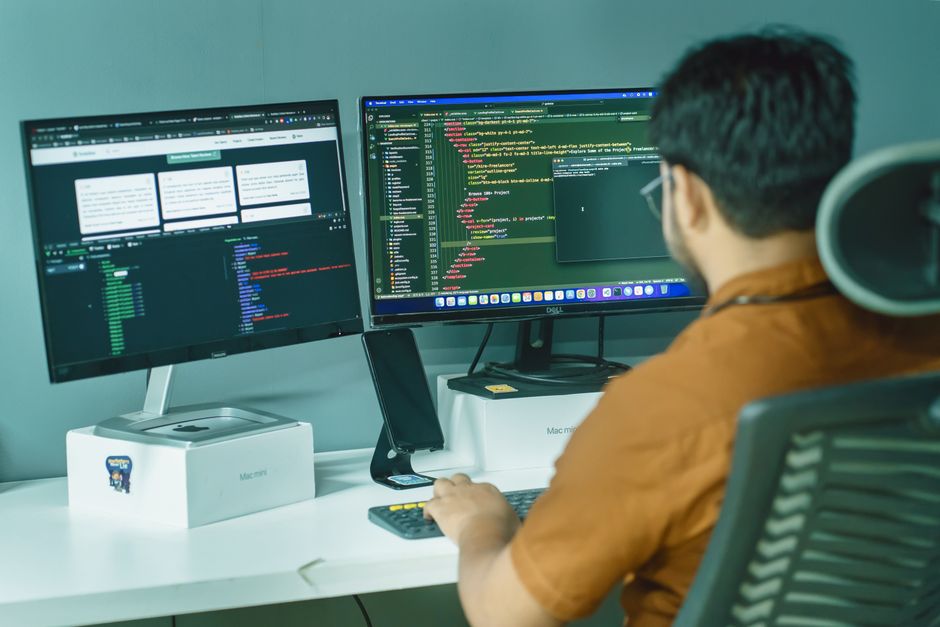
Game development is the process of creating a video game. It encompasses various stages, including concept development, design, programming, testing, and marketing. Each stage requires a unique set of skills and expertise, often necessitating collaboration among artists, programmers, designers, and producers. The complexity of game development can vary significantly, depending on the type of game being created—ranging from simple mobile games to complex, multi-layered console games.
One of the critical aspects of game development is project management. Effective management ensures that the project stays on track, within budget, and meets the desired quality standards. Various methodologies, such as Agile and Scrum, have become popular in the industry, allowing teams to adapt quickly to changes and deliver high-quality products.
Choosing the Right Game Development Company
When looking for a game development company, it’s essential to evaluate several factors. Firstly, consider the company’s portfolio. A strong portfolio showcases the company’s ability to deliver diverse gaming experiences. Additionally, look for testimonials and reviews from previous clients to gauge their satisfaction and the company’s overall reputation.
Another crucial consideration is the technical expertise of the development team. The gaming industry is constantly evolving, and developers must be proficient in the latest technologies and programming languages. Companies that invest in continuous learning and skill development are more likely to produce innovative and high-quality games.
Furthermore, communication is vital in the game development process. A company that fosters open communication with its clients can better understand their vision and requirements, leading to a more successful partnership. This collaboration often results in a final product that aligns closely with the client’s expectations.
Emerging Trends in Game Development
The gaming industry is characterized by rapid innovation. Emerging trends such as virtual reality (VR), augmented reality (AR), and artificial intelligence (AI) are reshaping how games are developed and experienced. Companies that embrace these technologies are often at the forefront of the industry, providing players with immersive experiences that were once thought impossible.
For instance, VR technology has revolutionized gameplay, allowing players to step into entirely new worlds. Game development companies that specialize in VR are increasingly sought after as more gamers seek out these immersive experiences. Similarly, AI is enhancing game design by creating responsive and intelligent non-player characters (NPCs), making games more engaging and challenging.
The Business Side of Game Development
Understanding the business aspects of game development is crucial for a successful venture. Game development companies must navigate various challenges, such as funding, marketing, and distribution. Securing funding can be challenging, especially for indie developers. Crowdfunding platforms have emerged as a viable solution, allowing developers to raise money directly from gamers who believe in their projects.
Once a game is developed, marketing becomes essential to its success. Effective marketing strategies often include social media campaigns, influencer partnerships, and participation in gaming conventions. A strong marketing plan can significantly impact a game’s visibility and sales, making it a critical component of the overall development process.
Distribution is another key area that game development companies must consider. With the rise of digital platforms like Steam, the App Store, and consoles’ online marketplaces, developers must strategize how to reach their target audiences effectively. Each platform has its nuances, requiring tailored approaches to maximize success.
Conclusion
The landscape of game development companies is diverse and constantly evolving. As technology advances and player expectations grow, these companies must adapt to remain competitive. By understanding the intricacies of game development, choosing the right partners, and staying aware of emerging trends, developers can create engaging and successful gaming experiences. For those interested in exploring this dynamic field, collaborating with a reliable game development company can be the first step toward realizing their vision and bringing their game ideas to life.
