
In recent years, the luxury goods market has undergone significant transformation, with the emergence of luxury brand resellers playing a pivotal role in this evolution. These resellers provide consumers with access to high-end products at more accessible price points while also embracing sustainability through the second-hand market. This article delves into the thriving world of luxury brand reselling, its impact on consumer behavior, and how individuals can leverage this trend.
The Growth of the Luxury Resale Market
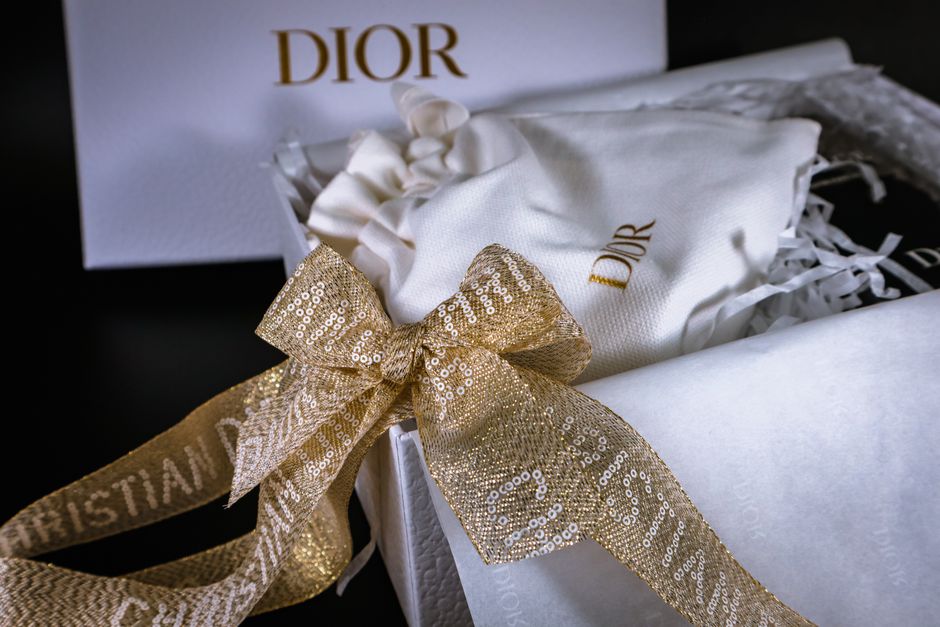
The luxury resale market has witnessed exponential growth, with estimates suggesting it could reach $64 billion by 2024. Factors contributing to this growth include changing consumer attitudes towards sustainability, increased online shopping, and a growing acceptance of second-hand luxury products. Millennials and Gen Z, in particular, are leading the charge, prioritizing brands that reflect their values, including sustainability and ethical business practices.
Moreover, platforms dedicated to reselling luxury items have proliferated, providing consumers with various options to buy and sell. These platforms not only authenticate products but also offer a seamless shopping experience, which further fuels the market’s expansion.
Understanding Consumer Behavior
As the luxury resale market grows, understanding consumer behavior becomes crucial. Today’s consumers are more informed and discerning, seeking value without compromising on quality. They are also more inclined to share their purchases on social media, which can drive demand for particular items.
For many, purchasing second-hand luxury goods represents a savvy financial decision. According to a recent study, 70% of consumers who buy luxury items from resellers do so to save money. This shift in mindset not only benefits consumers but also helps luxury brands reach a broader audience, as previously unattainable items become more affordable.
Challenges Faced by Resellers
Despite the booming market, luxury brand resellers face several challenges. One significant issue is the prevalence of counterfeit goods. Resellers must invest in robust authentication processes to ensure their offerings are genuine, which can involve significant costs and time.
Additionally, inventory management can pose a challenge. Unlike traditional retailers, resellers often rely on the supply of items from individual sellers, making it difficult to predict stock levels and maintain consistent product availability. Building strong relationships with suppliers and leveraging data analytics can help mitigate these challenges.
Tips for Aspiring Resellers
For those looking to enter the luxury brand resale market, there are several strategies to consider. First, focus on niche markets. Specializing in particular brands or product categories can help establish authority and attract a loyal customer base.
Secondly, invest in marketing and branding. Building a strong online presence through social media and effective SEO strategies can enhance visibility and drive traffic to your platform. Collaborating with influencers can also be a powerful way to reach potential customers.
Finally, consider the customer experience. Providing excellent customer service, easy returns, and transparent policies can help build trust and encourage repeat business. Platforms like luxury brand reseller have thrived by prioritizing customer satisfaction and authenticity.
The Future of Luxury Reselling
The future of luxury brand reselling looks promising, with the market expected to continue expanding. As consumer attitudes shift towards sustainability and value, resellers will play an increasingly important role in the luxury ecosystem.
Moreover, advancements in technology, such as AI-powered authentication tools and augmented reality, could revolutionize the way consumers shop for second-hand luxury items. Resellers who embrace these innovations while maintaining a focus on quality and customer experience will likely rise to the top in this competitive landscape.
Conclusion
In conclusion, the luxury brand reseller market is not just a passing trend; it represents a fundamental shift in how consumers approach luxury goods. With a focus on sustainability, accessibility, and value, resellers are reshaping the landscape of luxury retail. By understanding consumer behavior, overcoming challenges, and leveraging strategic marketing, aspiring resellers can thrive in this dynamic and growing industry.
