
In the ever-evolving landscape of construction and building management, MEP engineering companies play a crucial role in ensuring that mechanical, electrical, and plumbing systems are designed, installed, and maintained effectively. These engineering firms are indispensable in the creation of safe, efficient, and sustainable buildings. Understanding their significance, methodologies, and the future they hold is essential for stakeholders in the construction industry.
Understanding MEP Engineering
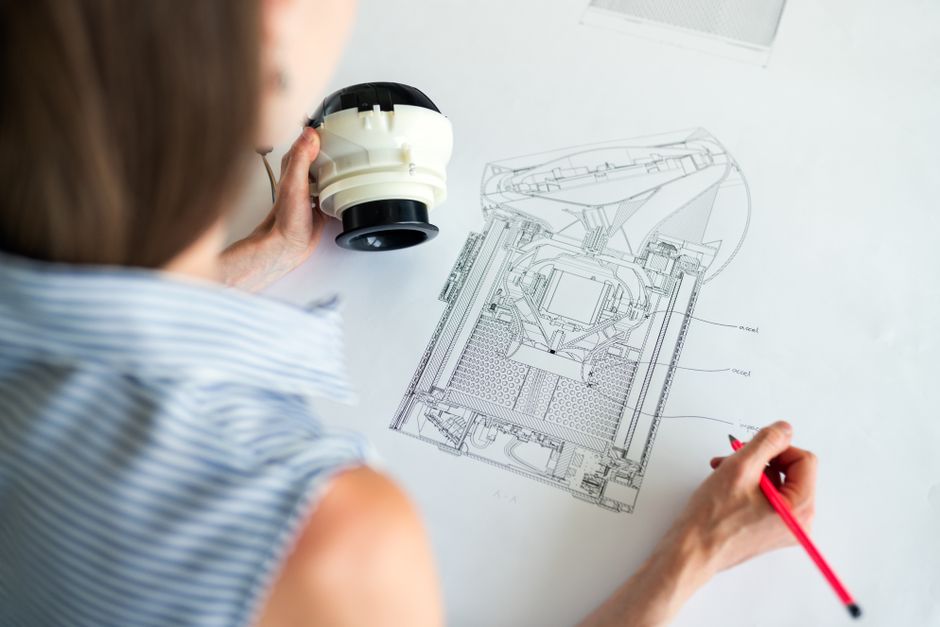
MEP stands for Mechanical, Electrical, and Plumbing engineering, which encompasses a broad range of services and expertise. MEP engineering companies focus on the integration of these essential systems within a building. Their primary goal is to enhance the functionality, safety, and sustainability of building environments.
Mechanical systems include heating, ventilation, and air conditioning (HVAC), which are vital for maintaining comfortable indoor climates. Electrical systems encompass everything from lighting and power distribution to fire alarm and security systems. Plumbing systems ensure the provision of clean water and the effective disposal of wastewater. Each of these systems must work harmoniously, and MEP engineers are the experts who make this happen.
The Importance of MEP Engineering in Construction
The significance of MEP engineering in the construction process cannot be overstated. These engineering companies are often involved from the initial design phase through to the final construction and maintenance of the building. By integrating their expertise early in the design process, MEP engineers can help prevent costly redesigns and ensure that the mechanical, electrical, and plumbing systems can be installed without major complications.
Moreover, MEP engineers play a pivotal role in energy efficiency. With the increasing focus on sustainability, they are tasked with designing systems that minimize energy consumption and reduce the environmental impact of buildings. This includes selecting energy-efficient equipment, utilizing renewable energy sources, and ensuring that all systems are optimized for performance.
Challenges Faced by MEP Engineering Companies
While MEP engineering companies are vital to the construction industry, they also face several challenges. One prominent issue is the complexity of modern building designs. As architectural trends evolve, buildings become more intricate, requiring advanced engineering solutions. MEP engineers must continuously adapt to these changes, ensuring that their designs meet both aesthetic and functional requirements.
Another challenge is the integration of new technologies. The rise of smart buildings and the Internet of Things (IoT) has introduced new systems that must be interconnected with traditional MEP systems. Engineers must stay up-to-date with technological advancements to provide clients with the most effective solutions. This necessitates ongoing education and training within the industry.
Future Trends in MEP Engineering
Looking ahead, several trends are expected to shape the future of MEP engineering. One major trend is the increasing emphasis on sustainability and green building practices. MEP engineers will need to focus on designing systems that not only meet current energy codes but also exceed them, contributing to a more sustainable future.
Another significant trend is the growth of Building Information Modeling (BIM). This technology allows for better visualization and collaboration among different stakeholders in the construction process. MEP engineering companies must embrace BIM to improve efficiency and accuracy in their designs.
Conclusion
MEP engineering companies are at the forefront of modern construction, ensuring that mechanical, electrical, and plumbing systems are designed with precision and efficiency. As the industry continues to evolve, these engineering firms will play a crucial role in addressing challenges and embracing new technologies. For those in the construction sector, partnering with a reputable MEP engineering company is essential for the success of any project.
