
The fashion industry is experiencing a significant transformation as consumers increasingly seek personalized and unique clothing options. Custom clothing manufacturing has emerged as a solution to meet this demand, allowing brands to offer tailored products that reflect individual styles and preferences. This article explores the intricacies of custom clothing manufacturing, its benefits, and the future of this innovative sector.
Understanding Custom Clothing Manufacturing
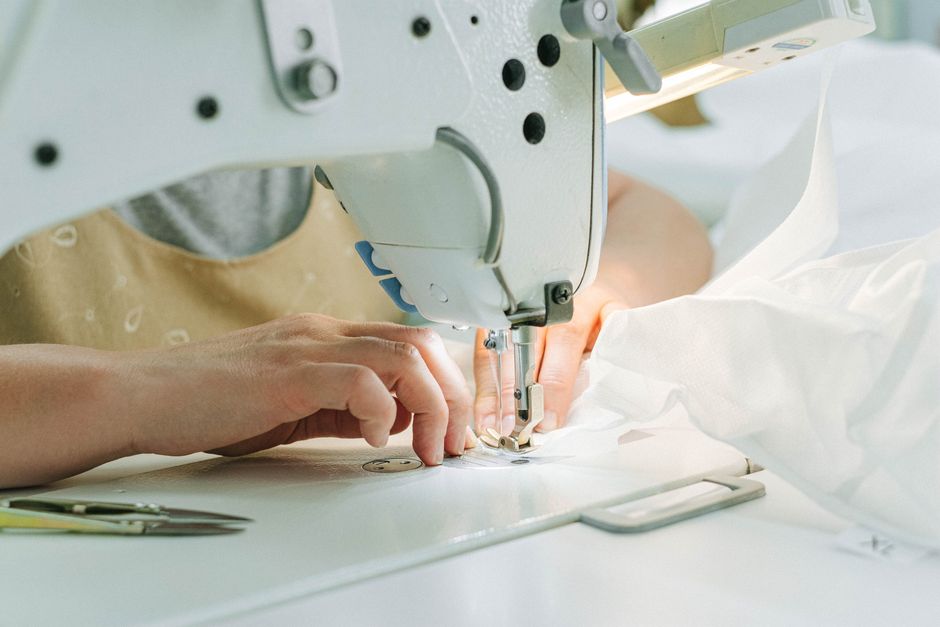
Custom clothing manufacturing refers to the process of creating garments that are tailored to meet specific customer requirements. Unlike mass-produced clothing, which often lacks individuality, custom clothing allows for a variety of choices in terms of fabric, design, and fit. This trend has been fueled by advancements in technology, such as 3D printing and online design tools, which empower consumers to take an active role in the creation of their wardrobe.
One key aspect of custom clothing manufacturing is the ability to offer a wide range of sizes and styles. Traditional sizing can often alienate certain body types, but with custom options, brands can cater to a more diverse clientele. According to a report from McKinsey, the demand for custom-fit clothing has increased by 30% in the past five years, highlighting the shifting consumer preferences towards personalization.
Benefits of Custom Clothing
The advantages of custom clothing manufacturing extend beyond mere aesthetics. For consumers, the primary benefit lies in the fit and comfort of the garments. When clothing is tailored to the individual’s measurements, it not only looks better but also feels better. This can lead to increased confidence and satisfaction with one’s appearance.
Moreover, custom clothing often utilizes higher-quality materials compared to mass-produced items. This is because manufacturers focus on fewer pieces and can invest more in the quality of each garment. As a result, customers are likely to enjoy longer-lasting products that provide better value for money.
From a business perspective, partnering with a custom clothing manufacturer can enhance brand loyalty. When consumers have the opportunity to create something unique, they are more likely to develop a connection with the brand. This emotional investment can translate into repeat purchases and positive word-of-mouth marketing.
Challenges in Custom Clothing Manufacturing
Despite its many advantages, custom clothing manufacturing is not without challenges. One significant issue is the production time. Custom garments typically require more time to produce than standard items, which can lead to longer wait times for consumers. Brands must balance the desire for personalization with the need for efficient production processes.
Additionally, the investment in technology and skilled labor can be substantial. Companies must ensure they have the right tools and expertise to execute custom orders effectively. This might involve training staff or investing in new technologies, which can be a barrier for smaller businesses.
The Future of Custom Clothing
Looking forward, the future of custom clothing manufacturing appears promising. As technology continues to evolve, we can expect even more innovative solutions that streamline the customization process. For instance, artificial intelligence and machine learning could play a role in predicting consumer preferences and automating parts of the design process.
Furthermore, sustainability will likely become a key focus in the custom clothing sector. With increasing awareness around environmental issues, brands that incorporate eco-friendly practices in their manufacturing processes are likely to attract more conscious consumers. This could include using sustainable materials or implementing zero-waste production methods.
Conclusion
Custom clothing manufacturing is reshaping the fashion landscape by offering consumers personalized and high-quality options. As the demand for unique apparel continues to grow, brands that embrace custom manufacturing will find themselves at the forefront of this trend. By navigating the challenges and leveraging technological advancements, the future of custom clothing holds immense potential for both consumers and businesses alike.
