
In recent years, the fashion industry has witnessed a significant shift toward customization. Consumers are increasingly seeking unique clothing options that reflect their personal style and identity. This trend has opened up new opportunities for custom clothing manufacturers, who provide tailored solutions to meet diverse customer needs. This article explores the landscape of custom clothing manufacturing, the benefits it offers, and how businesses can leverage this growing market.
Understanding the Custom Clothing Manufacturing Process
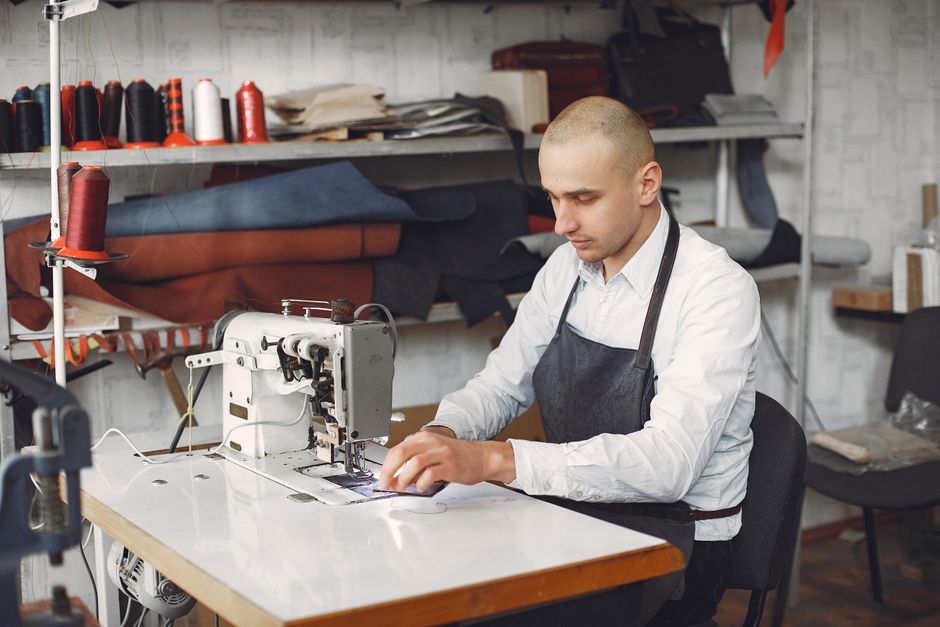
Custom clothing manufacturing involves creating garments tailored to the specific requirements of individuals or businesses. This process starts with understanding the client’s vision—be it for personal wear, promotional items, or corporate uniforms. Manufacturers work closely with clients to identify fabric choices, design elements, and fit specifications.
The initial stage typically includes consultations where clients share their ideas and preferences. Once the design is finalized, manufacturers produce samples for approval. This ensures that the final product aligns with the client’s expectations. After adjustments are made, the bulk production can commence, resulting in unique pieces that stand out in the market.
Recent advancements in technology have also streamlined this process. Digital printing and automated cutting machines have improved efficiency, allowing manufacturers to produce smaller batches without compromising quality. This flexibility is crucial in meeting the demands of today’s fast-paced fashion environment.
Benefits of Custom Clothing Manufacturing
One of the primary advantages of working with a custom clothing manufacturer is the ability to create unique products that cater to specific market niches. This level of personalization can significantly enhance customer satisfaction and brand loyalty. Consumers are more likely to return to a brand that offers them the chance to express their individuality through clothing.
Additionally, custom clothing manufacturers can respond quickly to market trends. Unlike traditional fashion brands that operate on seasonal schedules, custom manufacturers can adapt their offerings in real-time. This agility enables them to capitalize on emerging trends, ensuring that they remain relevant in a highly competitive landscape.
Moreover, the rise of e-commerce has further fueled the demand for custom clothing. Online platforms allow consumers to easily communicate their preferences and visualize their designs, bridging the gap between manufacturers and customers. This direct-to-consumer model enhances engagement and fosters a community around personalized fashion.
Challenges Facing Custom Clothing Manufacturers
Despite the numerous benefits, custom clothing manufacturers face several challenges. One significant hurdle is the need to balance quality with cost. While consumers desire high-quality materials and craftsmanship, they also expect reasonable pricing. Manufacturers must find efficient ways to source materials and streamline production while maintaining product excellence.
Another challenge is managing customer expectations. With customization comes a higher level of responsibility in delivering exactly what the client envisions. Miscommunications during the design phase can lead to dissatisfaction, making clear communication essential throughout the manufacturing process.
Furthermore, as the demand for sustainable practices grows, custom clothing manufacturers must adapt to eco-friendly materials and processes. This shift not only reduces environmental impact but also appeals to a growing segment of environmentally conscious consumers.
How to Choose the Right Custom Clothing Manufacturer
Selecting the right custom clothing manufacturer is crucial for any business looking to enter this market. Potential clients should consider several factors when making their choice. First, it is essential to evaluate the manufacturer’s portfolio. Reviewing previous work can provide insights into their capabilities and aesthetic.
Additionally, understanding the manufacturer’s production capabilities is vital. Some manufacturers specialize in small runs, while others may handle large-scale productions. Businesses should align their needs with the manufacturer’s strengths to ensure a successful partnership.
Lastly, communication is key. A manufacturer that prioritizes clear and open dialogue can help navigate the complexities of the customization process, ensuring that the final product meets expectations.
Future Trends in Custom Clothing Manufacturing
The future of custom clothing manufacturing is bright, with several trends shaping its evolution. One significant trend is the integration of technology, such as artificial intelligence and augmented reality, into the design process. These technologies can enhance customization options and provide consumers with immersive experiences when selecting or designing garments.
Moreover, sustainability will continue to play a crucial role. As consumers become more environmentally conscious, eco-friendly materials and practices will likely become standard in custom clothing manufacturing. Brands that prioritize sustainability will not only attract eco-minded consumers but also contribute to a more sustainable fashion industry.
Finally, the growing importance of social media in shaping consumer preferences cannot be overlooked. Custom clothing manufacturers can leverage social platforms to showcase their work, engage with customers, and build brand loyalty. This dynamic interaction allows for real-time feedback and innovation based on consumer trends.
Conclusion
In conclusion, the landscape of custom clothing manufacturing is evolving rapidly, driven by consumer demand for personalization and unique style. By understanding the manufacturing process, recognizing the benefits and challenges, and staying attuned to future trends, businesses can successfully navigate this exciting market. Embracing the opportunities presented by custom clothing manufacturers will not only enhance customer satisfaction but also pave the way for sustainable growth in the fashion industry.
