
Maintaining a clean and inviting swimming pool is crucial for ensuring a pleasant experience for all swimmers. Not only does regular cleaning enhance the aesthetic appeal of the pool, but it also contributes to the longevity of the pool structure and the health of its users. In this article, we will explore the best practices for effective pool cleaning, the importance of a regular maintenance schedule, and the tools needed for a sparkling pool.
Understanding the Importance of Regular Pool Cleaning
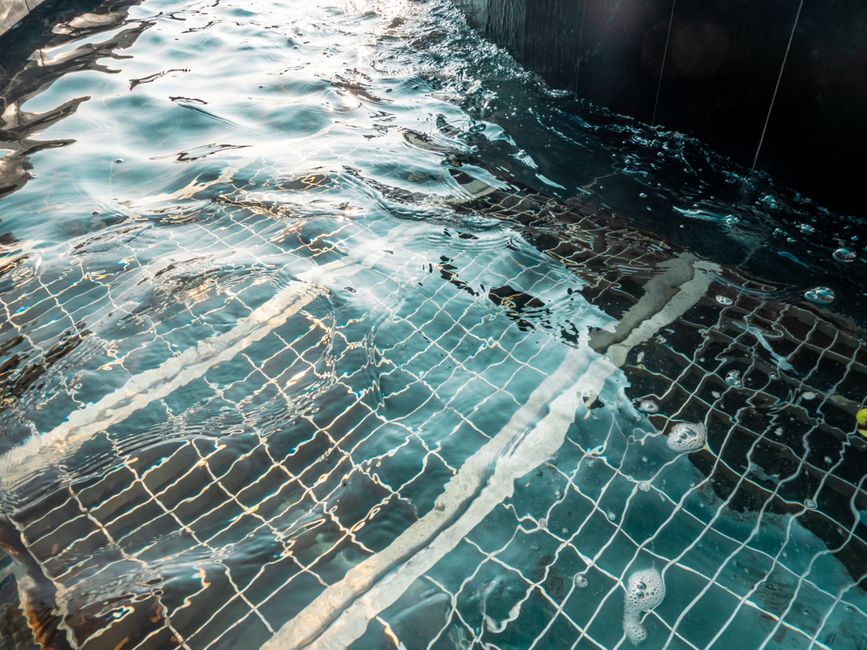
Cleaning your pool regularly is not just about looks; it’s essential for health and safety. Algae, bacteria, and dirt can accumulate in pools over time, creating an unpleasant environment. The Center for Disease Control and Prevention (CDC) highlights that poorly maintained pools can lead to various health risks, including skin infections and gastrointestinal illnesses. By committing to a routine cleaning schedule, pool owners can ensure a safe swimming experience.
Moreover, regular cleaning helps in preventing costly repairs. When debris and dirt are allowed to settle, they can cause damage to the pool’s lining and filtration systems. Investing a small amount of time in cleaning can save significant money in the long run. A well-maintained pool is also more energy-efficient, as dirty filters can lead to increased energy consumption.
Essential Tools for Effective Pool Cleaning
To effectively clean a pool, several essential tools are required. A pool skimmer is vital for removing leaves and debris from the water surface. This tool allows for quick and efficient cleaning, ensuring that the pool remains inviting for users. Additionally, a pool vacuum is necessary for cleaning the pool floor and walls. There are various types of vacuums available, from manual ones to automated systems that make cleaning effortless.
A water testing kit is another crucial tool for pool maintenance. It allows you to regularly check the chemical balance of your pool water, ensuring that it remains safe and pleasant for swimming. Proper pH levels are essential for preventing algae growth and ensuring the effectiveness of sanitizers.
Step-by-Step Cleaning Process
Now that we understand the importance of regular maintenance and have the right tools, let’s go through a step-by-step cleaning process. Start by skimming the surface of the water with a skimmer net. This will remove any floating debris, making the pool look cleaner instantly. Following this, use a pool vacuum to clean the bottom and sides of the pool. Pay special attention to areas where debris tends to accumulate, such as corners and steps.
After vacuuming, it’s essential to brush the walls and tiles of the pool to remove any stubborn dirt or algae. This step is crucial for maintaining a clean surface and preventing algae growth. Finally, check and clean the pool filter to ensure that it is functioning optimally. A clean filter will significantly reduce the amount of dirt that returns to the pool water.
Maintaining Chemical Balance
Maintaining the right chemical balance in your pool water is just as important as the physical cleaning process. Regularly test the water for pH levels, chlorine, alkalinity, and calcium hardness. The CDC recommends keeping the pH level between 7.2 and 7.8 for optimal safety and comfort. High or low pH levels can cause skin irritation and reduce the effectiveness of chlorine.
Additionally, maintaining appropriate chlorine levels is crucial for disinfecting the water. Chlorine should typically be between 1 and 3 parts per million (ppm) to effectively kill harmful pathogens. By regularly testing and adjusting these levels, pool owners can ensure a safe swimming environment.
Professional Pool Cleaning Services
For those who may find pool maintenance overwhelming, hiring a professional pool cleaning service can be a practical solution. These services offer comprehensive cleaning packages, which often include routine maintenance, water testing, and repairs. By opting for professional cleaning, pool owners can enjoy peace of mind knowing that their pool is being cared for by experts.
Moreover, professional cleaners often have access to advanced cleaning equipment and chemicals that may not be available to the average homeowner. This can enhance the cleaning process, ensuring that your pool remains in top condition throughout the swimming season.
For those interested in learning more about efficient pool cleaning techniques, various resources are available online. One such informative source is limpieza piscinas, which provides valuable insights into pool maintenance.
Conclusion
In conclusion, maintaining a clean swimming pool is essential for both aesthetic appeal and health safety. By understanding the importance of regular cleaning, utilizing the right tools, and keeping a keen eye on chemical balance, pool owners can ensure a safe and enjoyable swimming experience. Whether you choose to handle the cleaning yourself or hire a professional service, the key is consistency and attention to detail. A well-maintained pool not only enhances your outdoor space but also contributes to the overall enjoyment of summer days spent swimming and relaxing.
