
Aviation insurance is a specialized form of insurance designed to cover risks associated with aviation operations, including the ownership and operation of aircraft. As the aviation industry continues to grow, understanding the nuances of aviation insurance becomes increasingly important for both operators and owners. This article explores the key aspects of aviation insurance, its types, and the importance of adequate coverage.
The Importance of Aviation Insurance
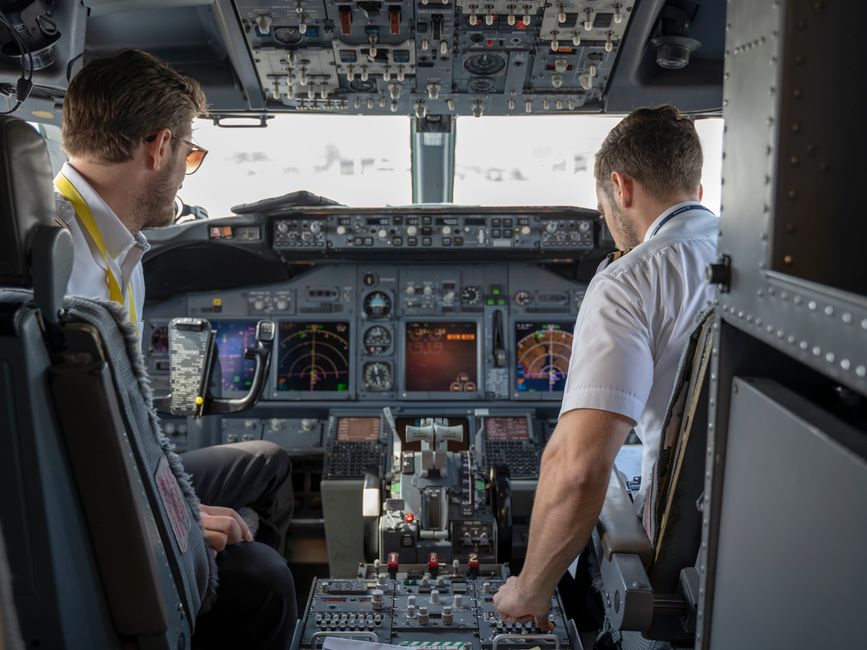
Aviation insurance plays a crucial role in protecting aircraft owners and operators from potential financial losses. With the high costs associated with aircraft, accidents, and liabilities, having the right insurance coverage is essential. According to the International Air Transport Association (IATA), the aviation industry contributed approximately $872 billion to the global economy in 2019, underscoring the sector’s significance. Given these figures, the financial implications of an accident can be devastating, making aviation insurance an indispensable asset.
Moreover, aviation insurance protects against third-party liabilities, including damage to property and injury to individuals on the ground. In the event of an incident, the costs can quickly escalate, making comprehensive coverage vital for mitigating risks.
Types of Aviation Insurance
There are several different types of aviation insurance, each catering to specific needs and risks. The primary types include:
- Hull Insurance: This covers physical damage to the aircraft itself, whether it is on the ground or in the air. Hull insurance can be further divided into all-risk coverage and specified perils coverage.
- Liability Insurance: This protects against claims made by third parties for bodily injury or property damage resulting from aviation operations. Liability insurance is often mandatory and is crucial in safeguarding against potentially catastrophic financial liabilities.
- Passenger Liability Insurance: This is designed specifically to cover the liabilities associated with injuries to passengers on board the aircraft. Given that passenger claims can be substantial, this type of coverage is essential for commercial operators.
- Ground Risk Hull Insurance: This covers physical damage to the aircraft while it is on the ground, excluding in-flight incidents.
Understanding these types of coverage helps aircraft owners and operators make informed decisions regarding their insurance needs.
Factors Affecting Aviation Insurance Premiums
The cost of aviation insurance premiums can vary significantly based on several factors. Key considerations include:
- Type of Aircraft: The make, model, and age of the aircraft play a significant role in determining premiums. Newer and more advanced aircraft may incur higher insurance costs due to their value and associated risks.
- Experience of the Pilot: The pilot’s experience and flying hours are critical factors. Insurers often view experienced pilots as lower risk, which can lead to reduced premiums.
- Geographical Location: The location where the aircraft operates can impact premiums. Areas with higher incidences of accidents or adverse weather conditions may result in higher insurance costs.
- Flight Operations: The type of operations (commercial vs. private) and the nature of flights (charter, cargo, etc.) also influence insurance costs.
By understanding these factors, aircraft operators can better manage their insurance expenses and ensure they have the necessary coverage.
Claim Process in Aviation Insurance
The claim process in aviation insurance is crucial and requires careful attention to detail. In the event of an accident or incident, the following steps are typically involved:
- Notification: The first step is to notify the insurance company as soon as possible after the incident. Prompt reporting is essential for a smooth claims process.
- Documentation: Gathering relevant documentation, including accident reports, maintenance records, and pilot logs, is vital for supporting the claim.
- Investigation: The insurance company will conduct an investigation to assess the circumstances surrounding the incident. This may involve gathering statements from witnesses and examining the aircraft.
- Settlement: Once the investigation is complete, the insurer will determine the validity of the claim and proceed with the settlement if justified.
Understanding the claim process can help aircraft owners navigate potential challenges and ensure they receive the coverage they are entitled to.
Future Trends in Aviation Insurance
The aviation insurance industry is continuously evolving, influenced by technological advancements and changing regulatory environments. One significant trend is the increasing use of data analytics to assess risks more accurately. Insurers are leveraging real-time data from aircraft to better understand operational risks and to tailor policies accordingly.
Additionally, the rise of unmanned aerial vehicles (UAVs) and drones presents new challenges and opportunities for aviation insurance. As these technologies become more prevalent, insurers must adapt their offerings to accommodate the unique risks associated with UAV operations.
Moreover, the ongoing impact of climate change is prompting insurers to reconsider their risk models. With more frequent extreme weather events, the need for adaptable and comprehensive insurance coverage has never been more critical.
Conclusion
Aviation insurance is a vital component of the aviation industry, providing essential protection for aircraft owners and operators. Understanding the various types of coverage, the factors affecting premiums, and the claims process is crucial for making informed decisions. As the industry continues to evolve, staying abreast of trends and adapting coverage needs will be key to ensuring comprehensive protection. For those interested in securing appropriate coverage, exploring options for aviation insurance is a prudent step towards safeguarding their investments and operations.
