
The rise of drone technology has transformed various industries, from agriculture to filmmaking. As this technology continues to evolve, the demand for skilled drone pilots has surged. However, to operate drones legally and safely, obtaining a drone pilot certification is essential. This article explores the steps to become a certified drone pilot, the importance of certification, and what opportunities await those who embark on this journey.
Understanding Drone Pilot Certification
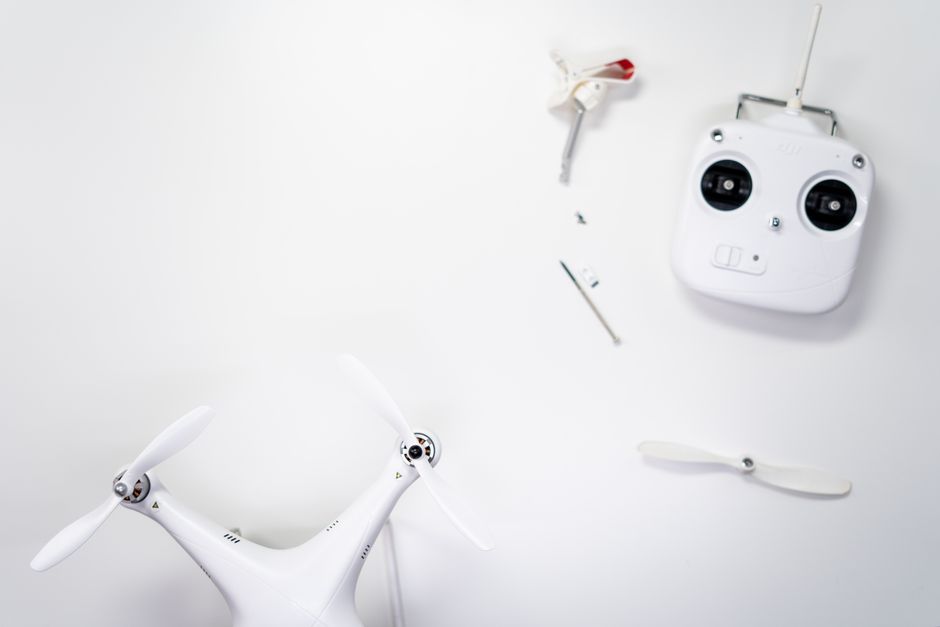
Drone pilot certification is a formal recognition that a pilot has the necessary knowledge and skills to operate drones safely and effectively. Certification programs vary by country, but they typically require passing a written exam and demonstrating practical flying skills. In the United States, for example, the Federal Aviation Administration (FAA) mandates that commercial drone pilots obtain a Part 107 certification, which involves a comprehensive test on aviation regulations, airspace classification, weather, and drone operations.
Globally, the certification process can differ significantly. Countries like Canada, Australia, and those in the European Union have their own regulatory bodies and certification requirements. It’s crucial for aspiring drone pilots to familiarize themselves with their local laws and regulations regarding drone operations, as this knowledge is vital for successful certification.
Steps to Obtain Your Certification
The journey to becoming a certified drone pilot typically involves several key steps. First, prospective pilots should begin with thorough research on the certification requirements specific to their country. Once they understand these requirements, they can proceed with the following steps:
1. **Choose a Training Program:** Many educational institutions and online platforms offer drone training programs. These can range from basic flying lessons to comprehensive courses that cover all aspects of drone operations. Selecting a reputable training program is essential for preparing for the certification exam.
2. **Study for the Exam:** Once enrolled in a training program, candidates should dedicate time to studying the necessary materials. This includes understanding aviation regulations, safety protocols, and operational procedures. Utilizing practice exams can also be beneficial in gauging readiness.
3. **Pass the Certification Exam:** After adequate preparation, candidates must take and pass the certification exam. This test evaluates their understanding of essential topics and ensures they are equipped to operate drones safely.
4. **Practical Flight Test:** Depending on the certification program, candidates may also need to demonstrate their flying skills through a practical flight test. This hands-on evaluation allows candidates to showcase their ability to operate a drone under various conditions.
5. **Obtain the Certification:** Upon passing both the written and practical tests, candidates will receive their drone pilot certification. This credential opens doors to numerous opportunities in various fields.
The Importance of Certification
Obtaining a drone pilot certification not only enhances a pilot’s credibility but also promotes safety in the skies. Certified pilots are trained to understand the risks associated with drone operations and how to mitigate them. This knowledge is crucial, especially as drones become more prevalent in crowded urban areas and near airports.
Moreover, many businesses require drone operators to be certified to ensure compliance with regulations and safety standards. Industries such as real estate, construction, and agriculture increasingly rely on drones for aerial inspections, mapping, and data collection. By having a certification, drone pilots can increase their employability and access higher-paying job opportunities.
Potential Career Paths for Certified Drone Pilots
1. **Aerial Photography and Videography:** Many drone pilots find success in the creative industry, capturing stunning aerial footage for films, commercials, and real estate. This niche requires not only piloting skills but also a keen eye for composition and storytelling.
2. **Agricultural Surveying:** Drones are revolutionizing the agricultural sector, allowing farmers to monitor crops and analyze field data efficiently. Certified pilots can assist in crop health assessments and precision farming through aerial imaging.
3. **Public Safety and Emergency Response:** Many law enforcement agencies and fire departments use drones for search and rescue operations, crowd monitoring, and disaster response. Certified pilots can play a vital role in these critical missions.
4. **Infrastructure Inspection:** Drones are increasingly used for inspecting bridges, power lines, and other infrastructure. Certified pilots can provide valuable services to utility companies and government agencies by conducting aerial inspections safely and efficiently.
5. **Drone Racing and Competitions:** For those who thrive on adrenaline, drone racing has emerged as an exciting sport. Certified pilots can participate in racing leagues and competitions, showcasing their piloting skills while enjoying the thrill of the chase.
Staying Updated in a Rapidly Evolving Field
The drone industry is continuously evolving, with new technologies and regulations emerging regularly. Therefore, certified drone pilots must stay informed about changes in the field. Joining professional organizations, attending workshops, and participating in online forums can help pilots stay abreast of the latest developments.
Additionally, ongoing education and training can further enhance a pilot’s skills. Many certification bodies offer advanced courses and specialized training, allowing pilots to expand their knowledge and expertise in specific areas.
Conclusion
Becoming a certified drone pilot is both a rewarding and challenging journey. As the demand for skilled drone operators continues to rise, obtaining a drone pilot certification can provide numerous opportunities across various industries. By following the necessary steps, understanding the importance of certification, and staying updated with industry trends, aspiring drone pilots can position themselves for success in this dynamic field. For more information on how to obtain your drone pilot certification, consider exploring local resources and training programs to get started on your path.
