
In the rapidly evolving landscape of manufacturing, industrial automation suppliers play a pivotal role in enhancing efficiency and productivity. With the advent of advanced technologies such as IoT, AI, and robotics, these suppliers are essential partners for businesses seeking to streamline operations and reduce costs. This article delves into the significance of industrial automation suppliers, their offerings, and how they can transform production processes.
Understanding Industrial Automation
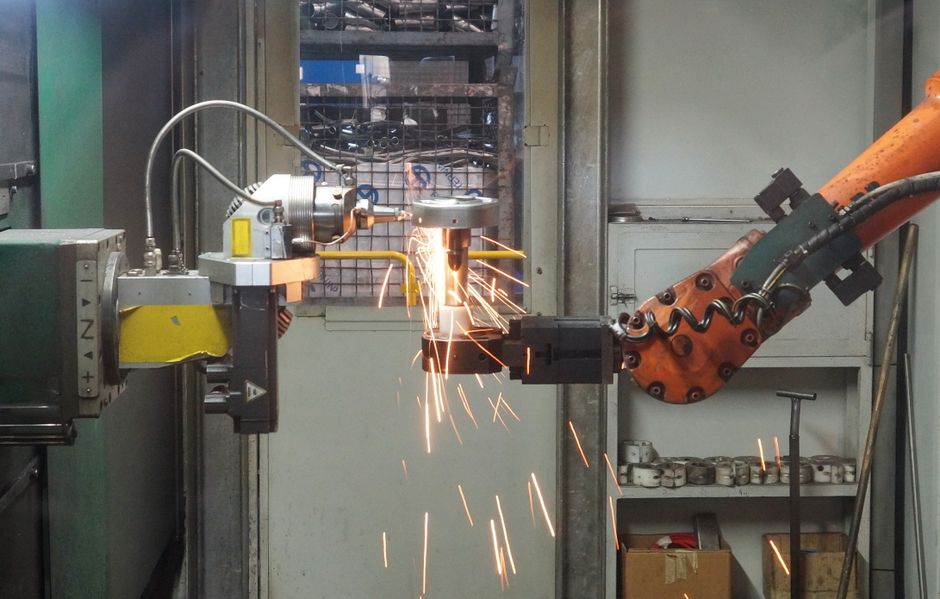
Industrial automation refers to the use of control systems such as computers or robots for handling different processes and machinery in an industry to replace human intervention. This technology encompasses various sectors, including manufacturing, transportation, and utilities. The primary aim is to boost efficiency, improve quality, and ensure safety. Suppliers in this sector provide the necessary tools and technologies that help businesses implement automation solutions effectively.
The global industrial automation market is projected to reach over $300 billion by 2026, reflecting a compound annual growth rate (CAGR) of approximately 9%. This growth is driven by the increasing need for operational efficiency and the digital transformation of industries. As businesses look to optimize their processes, the demand for qualified industrial automation suppliers continues to rise.
Key Offerings of Industrial Automation Suppliers
Industrial automation suppliers offer a wide range of products and services designed to meet the diverse needs of manufacturing companies. These include hardware like sensors, controllers, and actuators, as well as software solutions for process management and data analysis. Additionally, many suppliers provide consulting services to help companies develop tailored automation strategies.
One of the essential components of industrial automation is programmable logic controllers (PLCs). These devices are used to automate industrial electromechanical processes such as machinery operations, factory assembly lines, and light fixtures. The integration of PLCs into manufacturing systems allows for greater control and flexibility, enabling companies to respond rapidly to market changes.
The Benefits of Partnering with Automation Suppliers
Collaborating with an industrial automation supplier can yield numerous benefits for manufacturers. First and foremost, these partnerships can lead to significant cost savings. Automating repetitive tasks reduces labor costs and minimizes the likelihood of human error, which can lead to costly mistakes.
Moreover, automation enhances productivity by allowing machines to operate continuously without breaks. This leads to increased output and the ability to meet higher demand levels. For instance, a case study of a leading automotive manufacturer revealed that implementing an automated assembly line reduced production time by 30%, allowing them to increase their output without compromising quality.
Challenges in Industrial Automation Implementation
Despite the clear advantages, implementing industrial automation comes with its own set of challenges. One of the primary concerns is the initial investment required for automation technologies. Many businesses may hesitate to allocate significant budgets for automation, especially if they are unsure of the return on investment.
Additionally, the integration of new automation systems with existing processes can be complex. Companies must ensure that their workforce is adequately trained to operate and maintain automated systems. This often requires ongoing training programs and support from suppliers to facilitate a smooth transition.
The Future of Industrial Automation Suppliers
The future of industrial automation suppliers looks promising, with advancements in technology paving the way for new innovations. The integration of artificial intelligence and machine learning into automation systems is set to revolutionize the industry further. These technologies will enable predictive maintenance, where machines can self-diagnose issues before they lead to failures, thereby reducing downtime.
Furthermore, as sustainability becomes a critical focus for manufacturers, automation suppliers are developing eco-friendly solutions that reduce energy consumption and waste. The adoption of such technologies not only benefits the environment but also enhances the overall efficiency of production processes.
Conclusion
In conclusion, industrial automation suppliers are integral to the modern manufacturing landscape. Their ability to provide advanced technologies and solutions empowers businesses to enhance efficiency, reduce costs, and improve product quality. As the industry continues to evolve, partnering with the right automation supplier will be crucial for companies aiming to stay competitive in a rapidly changing market.
