
In recent years, 3D printing has transformed from a niche technology into a powerful tool for various industries. This innovative approach to manufacturing allows for unprecedented customization and rapid prototyping, making it an attractive option for businesses looking to streamline production processes. In this article, we will delve into the world of 3D printing services, examining their advantages, applications, and the potential they hold for the future.
The Evolution of 3D Printing Technology
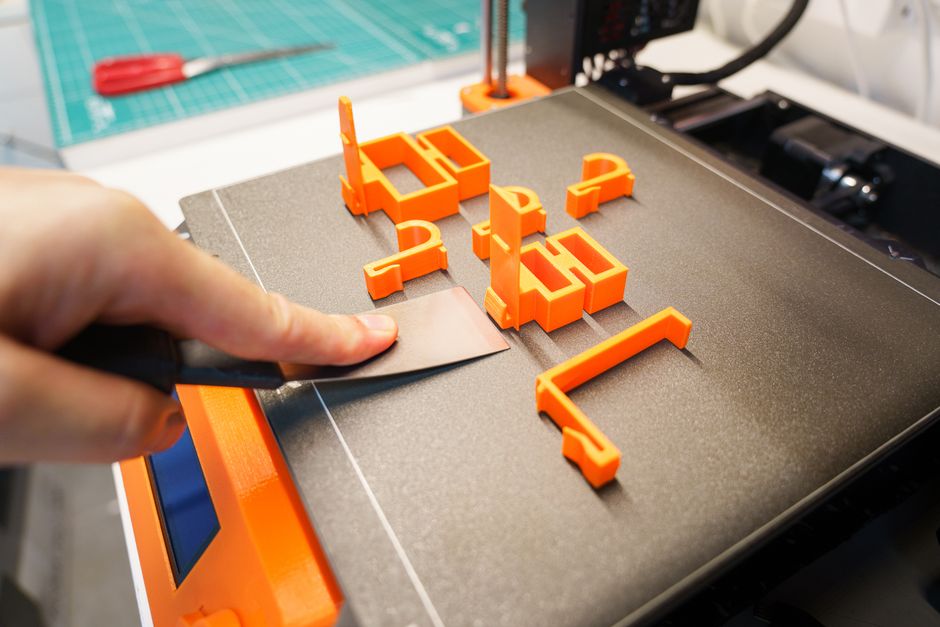
3D printing, also known as additive manufacturing, has come a long way since its inception in the 1980s. Initially used primarily for prototyping, the technology has evolved to encompass a wide range of materials and applications. Today, businesses can utilize 3D printing services to create everything from automotive parts to medical implants.
The process begins with a digital model, which is then sliced into layers for printing. This allows for intricate designs and complex geometries that would be difficult or impossible to achieve with traditional manufacturing methods. As technology continues to advance, the capabilities of 3D printing are expanding, making it increasingly viable for mass production.
Advantages of Utilizing 3D Printing Services
One of the primary benefits of using 3D printing services is the ability to reduce production costs. Traditional manufacturing often requires expensive molds and tooling, which can be time-consuming and costly. In contrast, 3D printing eliminates these needs, allowing businesses to produce parts on-demand without the upfront investment in tooling.
Another significant advantage is the speed of production. Companies can go from design to finished product in a matter of days or even hours, depending on the complexity of the item being produced. This rapid turnaround can lead to faster time-to-market, giving businesses a competitive edge in their respective industries.
Additionally, 3D printing allows for greater flexibility and customization. Businesses can easily modify designs to meet specific customer needs or adapt to changing market demands without the need for extensive retooling. This level of customization is particularly beneficial in sectors such as healthcare, where personalized solutions can lead to better patient outcomes.
Applications Across Industries
The versatility of 3D printing services makes them applicable across a wide range of industries. In the automotive sector, manufacturers are using 3D printing to produce lightweight components that enhance fuel efficiency and performance. For instance, companies like BMW and Ford are leveraging this technology to create prototype parts that can be tested and refined before full-scale production.
The medical field is another area where 3D printing is making significant strides. Custom prosthetics, dental implants, and surgical instruments can all be produced with remarkable precision, improving patient care and outcomes. For example, hospitals are using 3D printing to create patient-specific anatomical models, allowing surgeons to plan complex procedures more effectively.
Moreover, the aerospace industry is harnessing the power of 3D printing to create lightweight components that reduce fuel consumption and emissions. Boeing and Airbus are among the companies exploring this technology to enhance their manufacturing processes while adhering to strict regulations regarding safety and sustainability.
Challenges and Considerations
Despite its numerous advantages, the adoption of 3D printing services is not without challenges. One of the primary concerns is the quality and strength of printed materials. While advancements have been made, there are still limitations regarding the mechanical properties of certain 3D printed parts compared to those produced using traditional methods.
Another consideration is intellectual property protection. The digital nature of 3D printing raises questions about copyright and patent infringement, as designs can be easily replicated and modified. Businesses must implement measures to safeguard their intellectual property while still reaping the benefits of this technology.
Additionally, as the demand for 3D printing services increases, so does the need for skilled professionals who can operate and maintain these advanced machines. Investing in training and education is essential to ensure a workforce capable of leveraging this technology effectively.
Looking Ahead: The Future of 3D Printing
The future of 3D printing services looks promising, with continued advancements in materials and technology. As research and development efforts continue, we can expect even more applications to emerge, further integrating 3D printing into various industries.
Moreover, the rise of sustainable practices in manufacturing aligns well with the capabilities of 3D printing. The ability to produce parts on-demand can lead to reduced waste and lower carbon footprints, contributing to a more sustainable future.
In conclusion, as businesses increasingly recognize the potential of 3D printing services, we can anticipate a shift in how products are designed, manufactured, and distributed. The technology not only enhances efficiency and customization but also paves the way for innovative solutions that address complex challenges across industries.
